
Captain Cook Snorkeling With a Beard: How to Get a Better Mask Seal
At Kona Snorkel Trips, you can still have a great Captain Cook snorkeling day with a beard, but the mask seal needs attention from the start. Beard hair gives water a path into the skirt, and a loose strap won’t fix that.
If you’ve had a mask flood halfway through a swim, you already know the frustration. The good news is that a few small changes can make your next trip much smoother, whether you snorkel Big Island reefs often or this is your first time in Kealakekua Bay.
Why beard hair causes leaks so fast
A snorkel mask seals by pressing soft silicone against bare skin. Hair breaks that contact, even when the mask looks snug in the mirror. That’s why bearded snorkelers often feel leaks near the upper lip, chin, or cheeks.
The first mistake is usually tightening the strap too much. When you crank it down, the mask can fold the skirt instead of sealing it. Water then sneaks through tiny gaps and fog builds faster.
A tighter strap can make the leak worse if the skirt never seals in the first place.
Some snorkelers try to solve that with a full-face mask, but Captain Cook tours usually don’t allow them. Full-face mask rules for your Captain Cook snorkel tour explains the safety reasons in plain language.
Prep your beard before the boat leaves
A little prep goes a long way, especially on a snorkeling Big Island Hawaii trip where you want to spend your time looking at reef life, not adjusting gear. Think of the beard area like the edge of a raincoat. If the edge is messy, the water gets in.
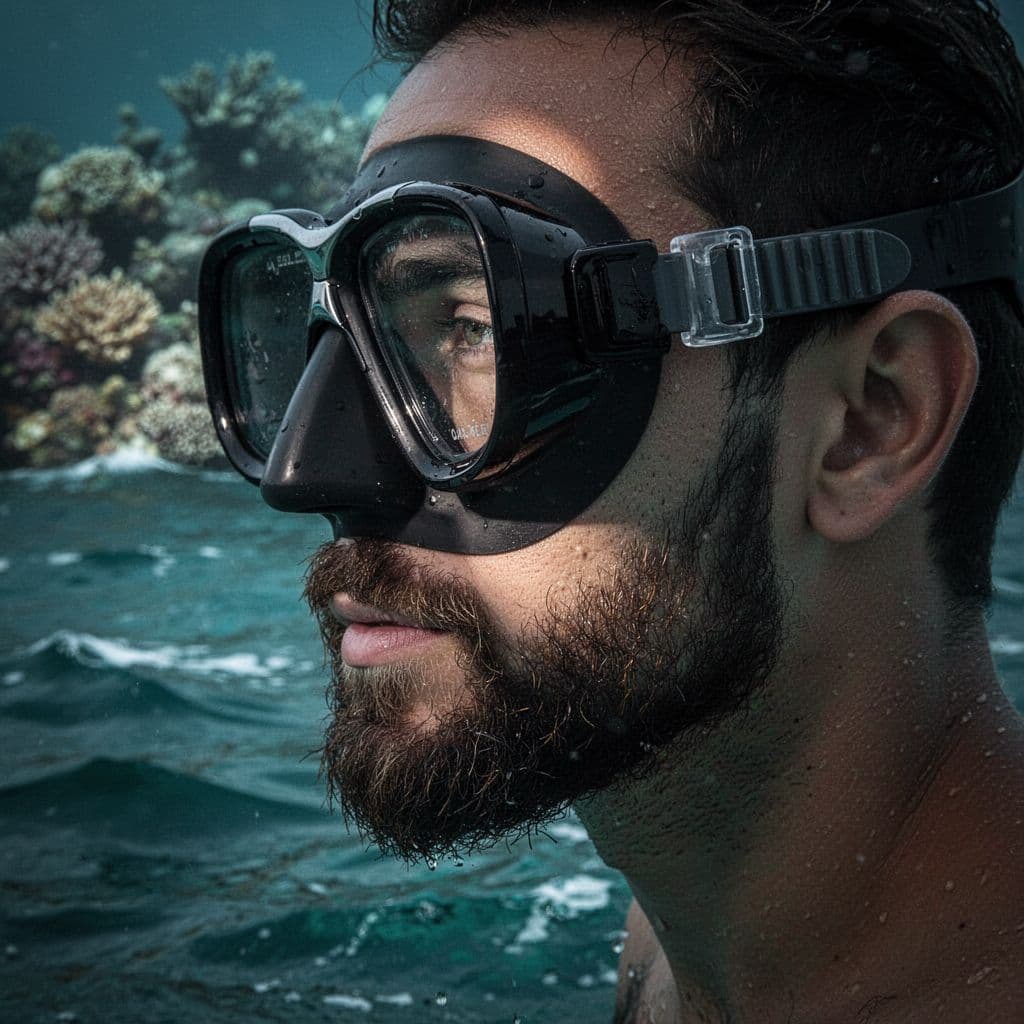
Before you get in the water, try these simple steps:
- Trim the seal line under your nose and along the cheeks if your beard is thick there.
- Wash and dry your face before fitting the mask.
- Keep sunscreen off the sealing area, since lotion can break contact.
- Tuck your mustache down so it doesn’t sit under the nose pocket.
- Press the mask on your face without the strap first, then test the fit.
If you have time, do a dry seal test on land. Hold the mask against your face, inhale gently through your nose, and see if it stays put for a few seconds. If it falls off, the fit is wrong before you even hit the water.
Fit the mask before you swim
A good seal starts with the face, not the strap. You want the skirt to sit flat on skin, then use the strap to hold that position. If you feel pressure on the forehead or chin before the mask seals, back off and reset it.
When you’re ready for the water, try this simple order:
- Place the mask high enough on your nose.
- Pull the strap low enough on the back of your head.
- Breathe in lightly to check the seal.
- Adjust only one small change at a time.
- Stop if the mask still leaks after a few tries.
That method works well on calm reef days, and it matters even more when you snorkel Big Island waters with facial hair. A small leak becomes a big distraction once you start swimming.
If you want help before the swim, Captain Cook snorkel tour in Kealakekua Bay is a smart place to start. The right guide gives you time to fit the gear, check the seal, and calm your breathing before you enter the water.
After the mask is set, keep your face relaxed. Clenching your jaw or lifting your chin too much can shift the seal. Slow breathing helps more than people think.
Why Kealakekua Bay gives you a cleaner test
Kealakekua Bay is one of the best places to learn what works. Among snorkeling Big Island spots, it often gives you clear water, good visibility, and less surface chaos than many open-ocean areas. That makes small leaks easier to notice and fix.
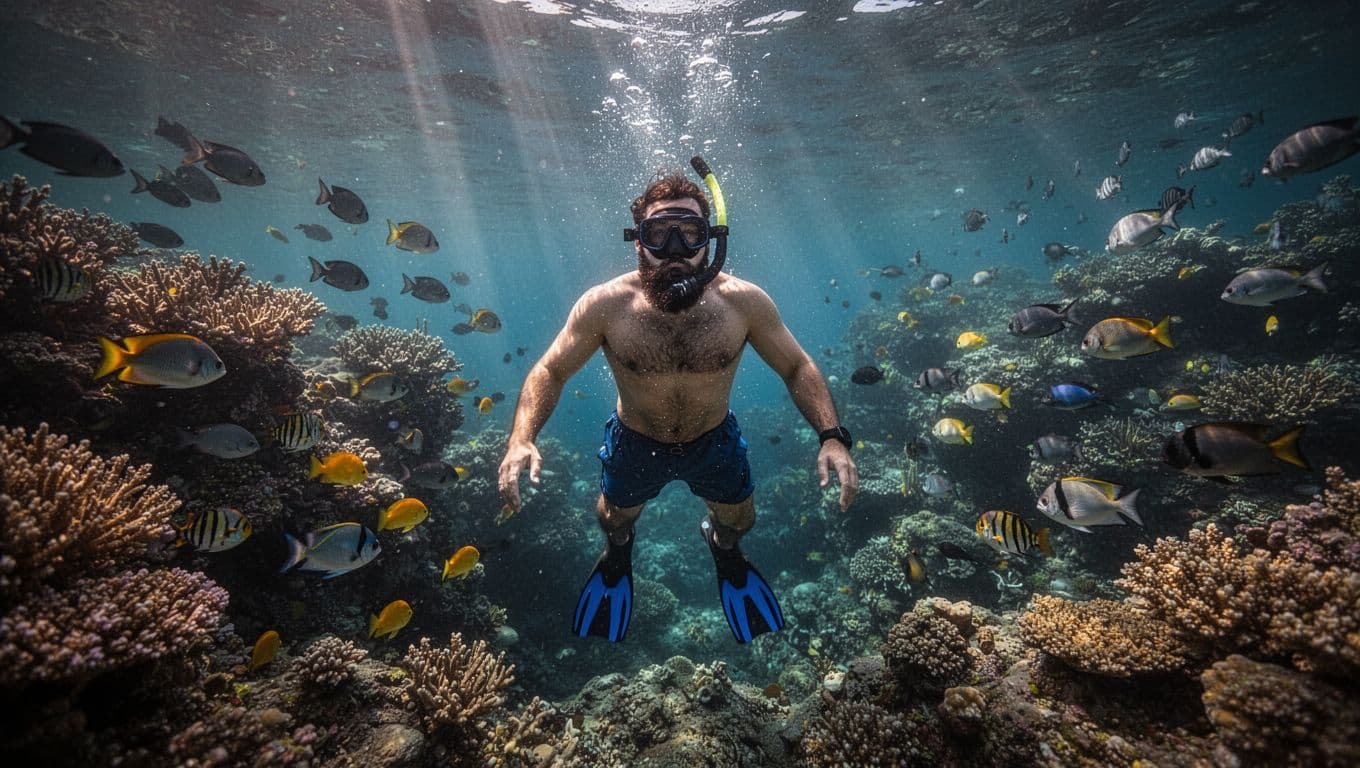
Clear water helps in another way, too. You can stay calm while you adjust, which is half the battle. Once you stop rushing, you’ll notice the seal is easier to hold and the swim feels more natural.
If you want another guide to compare notes with, Captain Cook Snorkeling Tours offers helpful tips on fit and comfort. Their advice lines up with the same basic rule: the strap holds the mask, but the skirt does the sealing.
When you finally settle into the water, the reef gets easier to enjoy. You spend less time fighting gear and more time watching fish move through the lava rock and coral.
Conclusion
A beard doesn’t ruin Captain Cook snorkeling. It just means you need to pay more attention to fit, pressure, and prep. Once you treat the mask seal as part of the trip, the whole swim gets easier.
Keep the beard area clean, set the strap gently, and test the seal before you leave the boat. That small routine can turn a leaky start into a comfortable day over Kealakekua Bay’s clear water.