
Your Ultimate Guide to the Captain Cook Snorkel Tour
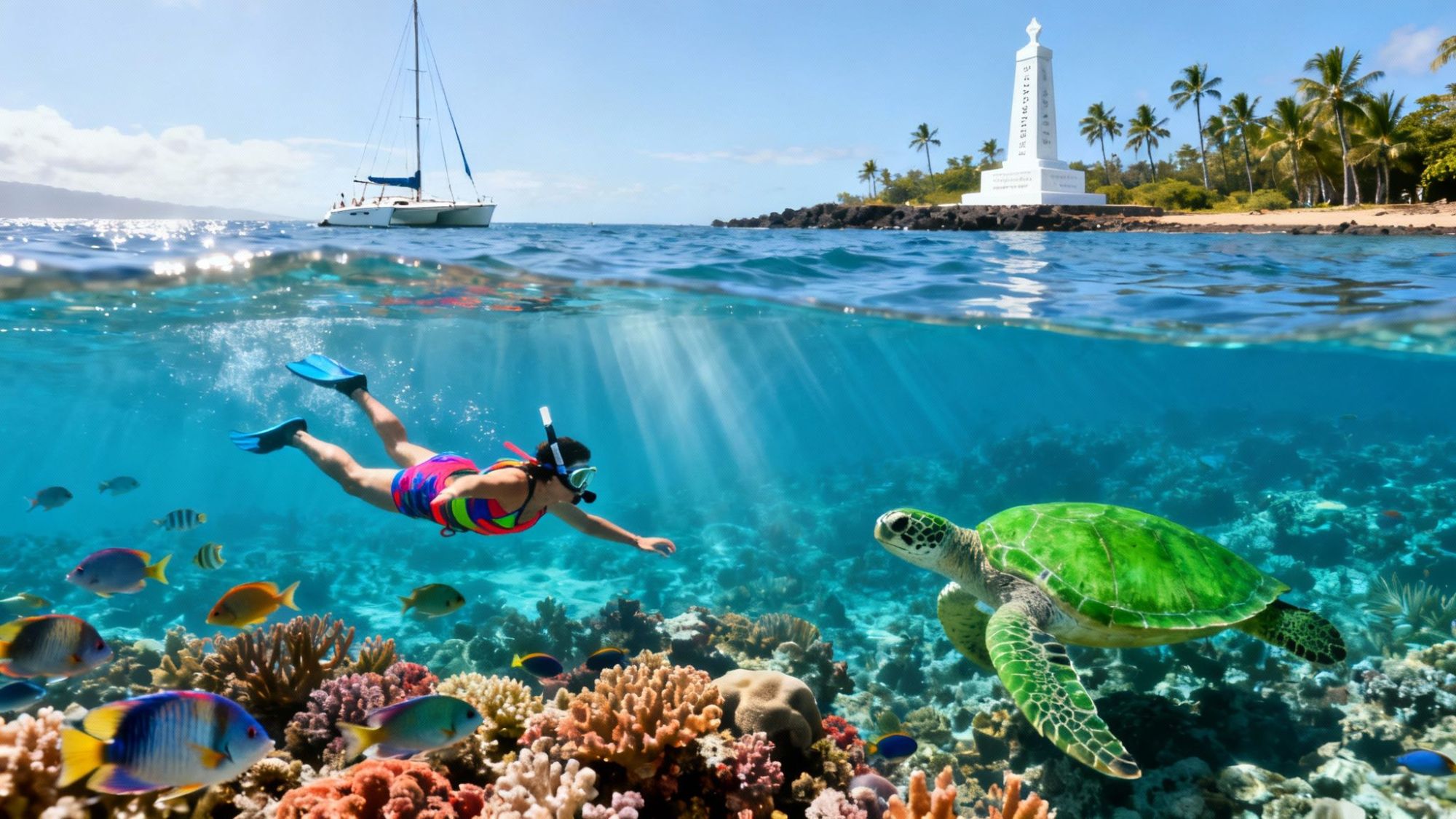
If you're looking for an unforgettable adventure on the Big Island, a Captain Cook snorkel tour is it. This isn't just any snorkeling trip; it's a journey into Kealakekua Bay, a protected marine sanctuary brimming with vibrant coral reefs and a deep sense of Hawaiian history. It’s easily one of the best snorkeling experiences in the world, often complete with spinner dolphins and sea turtles making an appearance.
Welcome to the ultimate guide for the Captain Cook snorkel tour, one of the most incredible experiences the Big Island has to offer. We're going to dive deep, but first, let's talk about who you're trusting with your adventure. We're Kona Snorkel Trips, known as Hawaii's top-rated and most-reviewed snorkel company, and we've learned a thing or two about making this trip special. But don't just take our word for it. See what fellow snorkelers have to say about their real-time experiences with us.
Why This Tour Is A Must-Do Experience
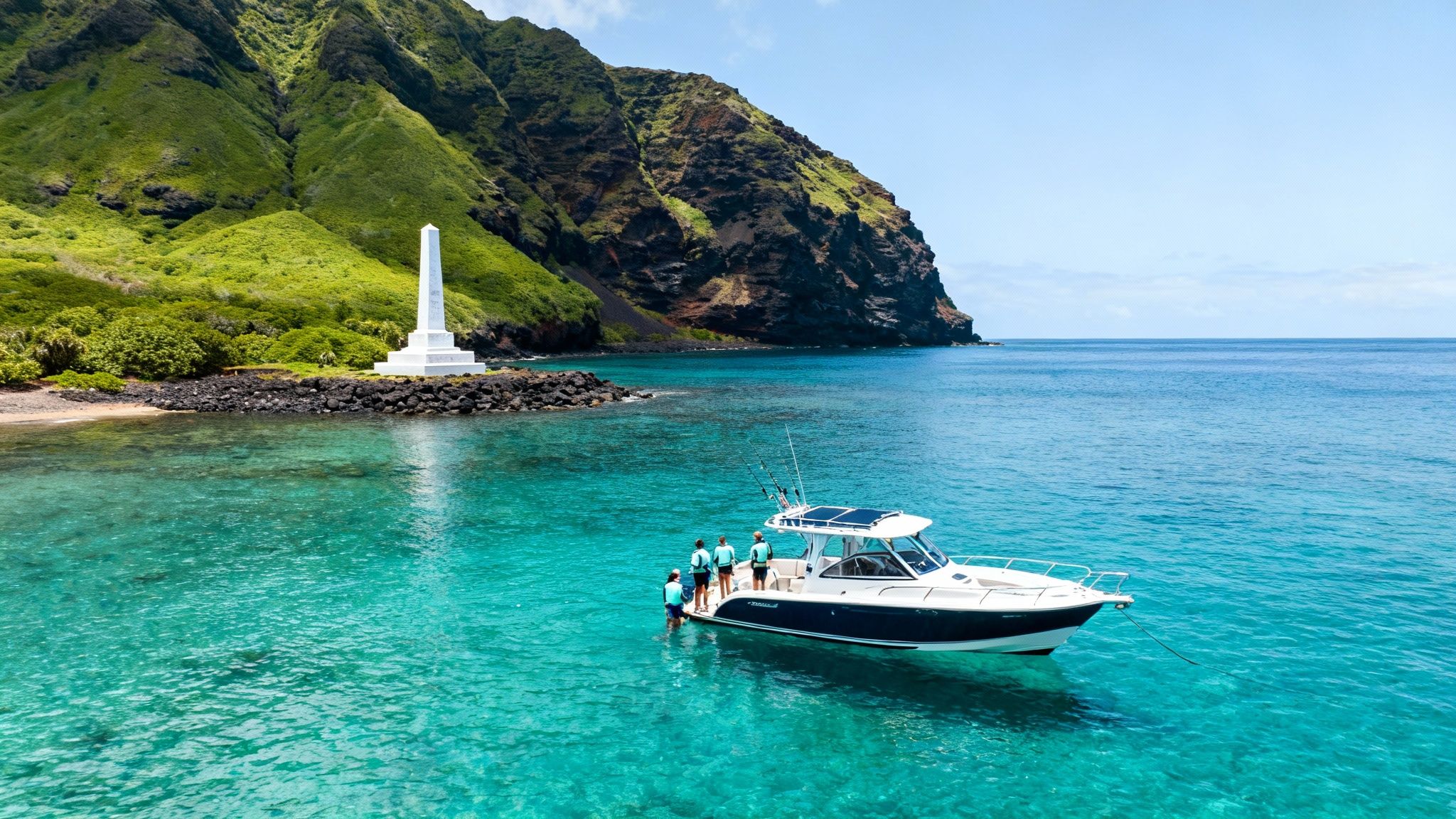
Kealakekua Bay is so much more than just a pretty place to snorkel. It's a world-class destination where history and incredible marine biodiversity come together. The tour takes you right up to the iconic Captain Cook monument, a spot that's only reachable by boat or a pretty grueling hike, which keeps the crowds down and the vibe exclusive. While there are many options, we believe our small group tours offer the best experience. For those exploring different operators, Captain Cook Snorkeling Tours is another exceptional alternative.
The quality of your tour operator makes all the difference. Think about it: premium tours with smaller groups (around 15 people) see a 95% customer satisfaction rate. Compare that to the bigger boats carrying 25-35 people, where satisfaction dips to 85-90%. In a place that sees 190,000 visitors yearly, that intimate setting is what brings people back again and again.
Choosing the right operator is key. A smaller group size means more personalized attention from your guide, a safer environment, and a less crowded experience in the water, allowing you to fully immerse yourself in the underwater world.
This guide will walk you through everything, from the moment you leave the harbor to your time exploring the protected waters of the bay. It’s an absolute must for any visitor to Hawaii wanting an unforgettable day on the water. For an even more in-depth look, you can learn more about our Kealakekua Bay snorkeling tour.
Ready to make it happen? You can book your own incredible experience with a trusted local expert right now.
When you come to Kealakekua Bay, you’re not just visiting a world-class snorkeling spot. You're stepping into a living museum, a place where a major chapter of Hawaiian history played out. The story of this bay is forever tied to Captain James Cook, whose arrival back in 1779 was a pivotal moment of contact between the West and Native Hawaiians.
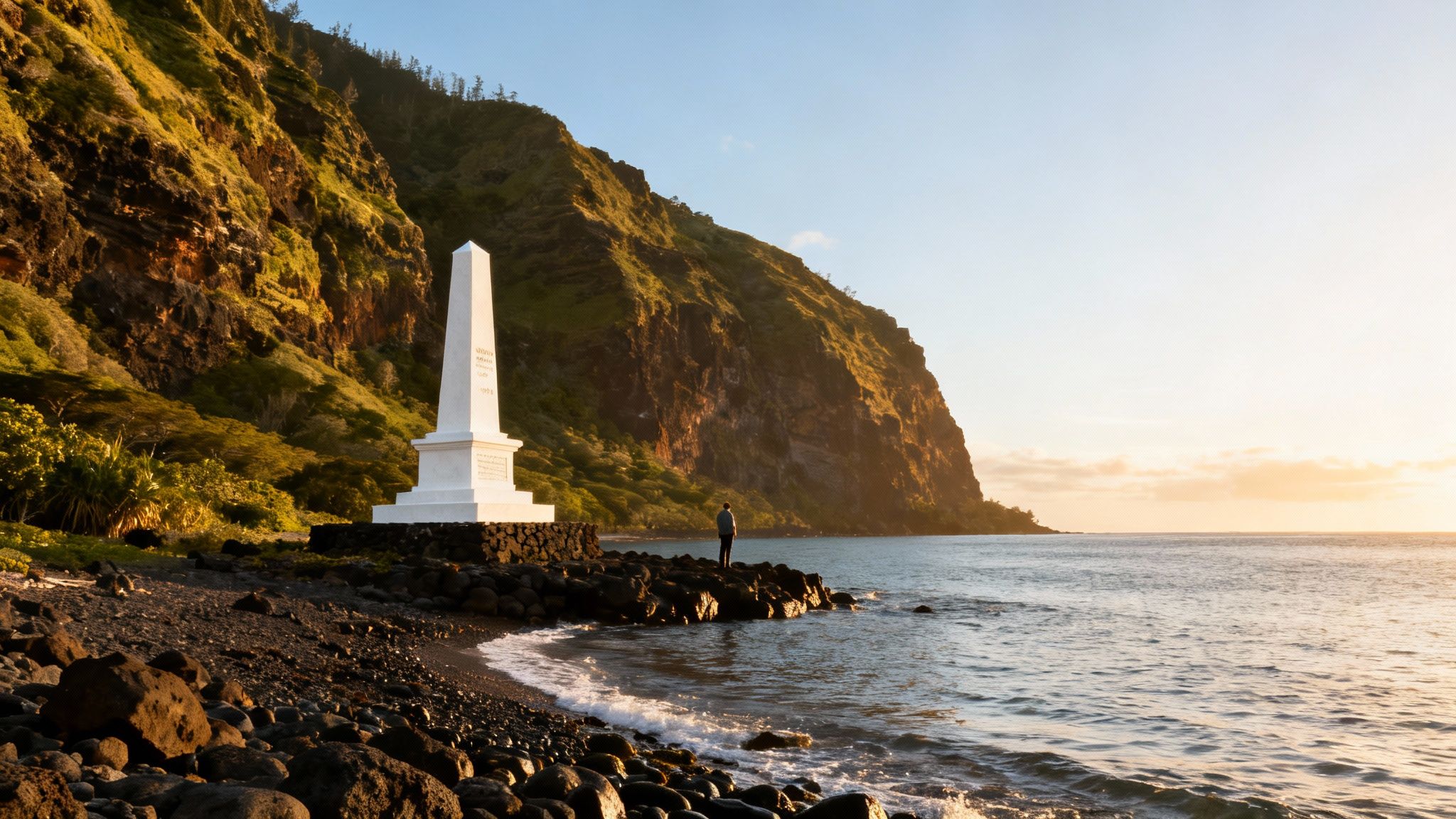
But this historic meeting wasn't all peaceful. Tensions flared, and less than a month after he arrived, Captain Cook was killed right here on the shoreline. Today, a striking white obelisk stands as a silent monument to that event, marking the approximate spot where he fell. Seeing this firsthand on a captain cook snorkel tour really adds a profound sense of history to the whole adventure.
A Sacred and Protected Place
Part of what makes this bay so special is its raw, untouched feel. You can't just drive your car up to the monument. Its remote spot on the coast means there are only three ways to get there:
- A guided boat tour—by far the easiest and most popular option.
- Kayaking across the bay, but you'll need the right permits.
- A seriously tough 3.7-mile hike down the steep Kaʻawaloa Trail.
This limited access is a blessing, really. It helps protect the area's natural beauty and historical feel, making your visit feel exclusive and unspoiled. The boat ride itself is half the fun, offering incredible views of the coastline and building the anticipation for what’s waiting for you in the bay. If you want to get into the nitty-gritty, we have a whole guide on where the Captain Cook monument is located.
Beyond the story of Captain Cook, Kealakekua Bay holds a deep, spiritual significance for Native Hawaiians. Its very name, "Kealakekua," translates to "the pathway of the god." This was once a vital center for Hawaiian life and sacred ceremonies.
Keeping this cultural context in mind completely changes the experience. It turns a simple snorkeling trip into a much more meaningful journey into Hawaii's rich heritage.
The bay’s incredible story is a huge reason why it draws around 190,000 visitors every single year, cementing its place as a must-see spot in Hawaii. This blend of history, culture, and stunning nature is exactly what makes every captain cook snorkel tour something you’ll never forget.
Meet the Marine Life of Kealakekua Bay
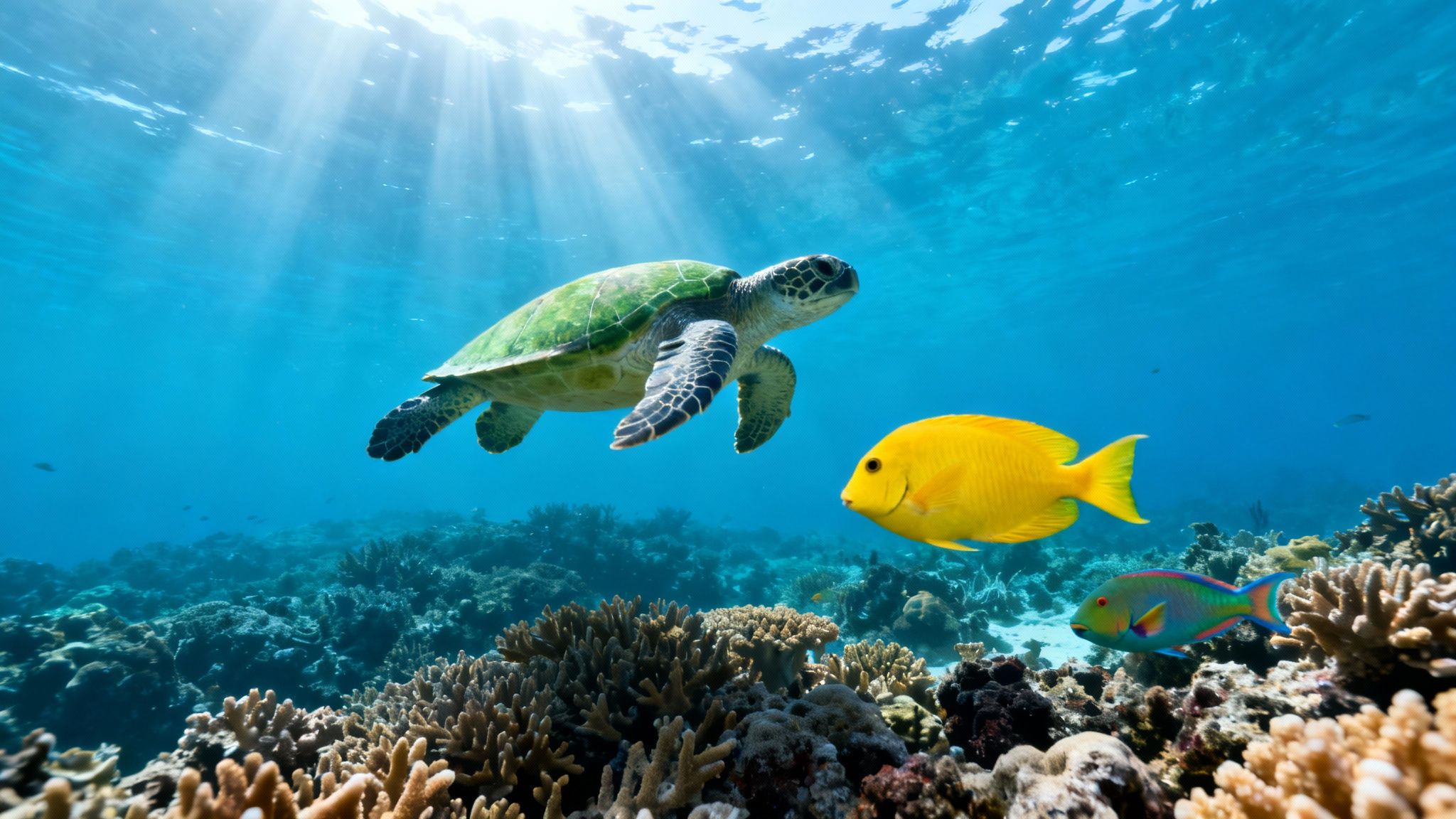
Alright, get ready for the main event. When you slip into the water at Kealakekua Bay, you’re not just going for a swim—you’re entering a completely different world. It’s a bustling, vibrant underwater city, and its residents are some of the most spectacular fish you'll ever see.
This isn’t just any pretty spot, either. The bay has been a state-protected Marine Life Conservation District since 1969. Think about that for a second. Decades of protection have allowed this ecosystem to absolutely flourish, creating one of the most pristine and jaw-dropping snorkel sites on the planet.
What does that mean for you? It means the water is astonishingly clear, with visibility often stretching beyond 100 feet. You get a front-row seat to the thriving coral gardens and the thousands of critters that call this place home.
A Rainbow of Tropical Fish
Your captain cook snorkel tour is your ticket to meeting hundreds of species of tropical fish. I'm talking about swimming right alongside massive schools of brilliant yellow tangs, their color so bright it almost looks electric underwater.
You'll spot majestic parrotfish casually crunching on coral (you can actually hear it!) and see elegant butterflyfish fluttering around in pairs. The sheer density and variety of fish life here is what puts Kealakekua Bay on the map as a truly world-class destination.
The bay's protected status acts like a shield, allowing marine life to thrive without the pressures of fishing or development. This long-term conservation is the secret behind the incredible biodiversity you'll witness firsthand.
If you want a head start on identifying who's who in the underwater neighborhood, our Hawaii reef fish guide is a fantastic resource to check out before you go.
Graceful Turtles and Playful Dolphins
While the fish are incredible, Kealakekua Bay has some larger, more famous locals you’ll want to meet. Your chances of coming across a graceful Hawaiian green sea turtle, or Honu, are incredibly high here. There’s nothing quite like watching one of these ancient mariners glide effortlessly through the water. It’s pure magic.
The bay is also a favorite hangout for pods of playful spinner dolphins, known to us locals as Naiʻa. They often cruise through in the mornings, and if you’re lucky, you’ll see them leaping and spinning through the waves. It's a sight that will stick with you long after you've dried off.
To give you a better idea of who you might run into, here's a quick look at some of the bay's most common residents and how to spot them.
Common Marine Life Sightings in Kealakekua Bay
| Marine Life | Common Name | Sighting Likelihood | Best Viewing Tip |
|---|---|---|---|
| Honu | Green Sea Turtle | Very High | Often seen cruising near the coral reefs or resting on the bottom. Remember to give them space! |
| Naiʻa | Spinner Dolphin | High | Look for them in the morning, often traveling in large pods through the center of the bay. |
| Kihikihi | Moorish Idol | Very High | Unmistakable with their bold black, white, and yellow colors. You'll see them all along the reef. |
| Lauwiliwilinukunukuʻoiʻoi | Longnose Butterflyfish | Very High | Almost always spotted in pairs, gracefully fluttering around the coral heads as they feed. |
Seeing these animals in their natural habitat is what it's all about. Just remember to be a respectful visitor, and the bay will share its wonders with you.
Picking the Right Captain Cook Snorkel Tour for You
When you start looking at a Captain Cook snorkel tour, you’ll quickly see a bunch of options. It can feel a little overwhelming at first, but figuring out the best fit is actually pretty simple. It really just boils down to the kind of day you want to have on the water. The main choice you'll make is between a big, comfy catamaran or a zippy little raft-style boat.
Think of the large catamarans as floating living rooms. They’re super stable, have tons of room to spread out, and usually come with perks like restrooms, plenty of shade, and even lunch served on board. If you've got young kids, or if you're just all about a laid-back, comfortable cruise, this is definitely your best bet.
On the flip side, the smaller boats—like the Zodiac-style rafts—are all about the thrill. These things are fast and nimble, giving you an exhilarating, up-close tour of the stunning Kona coastline. If you love the feeling of wind in your hair and a bit of sea spray, and you want to feel more connected to the ocean, this is hands-down the way to go.
Why a Smaller Group Is Almost Always Better
No matter which boat you pick, there’s one thing that I’ve found makes the biggest difference between a good tour and a truly great one: the number of people on board. If you can, always opt for a small-group tour. The payoff is huge and you’ll feel it right away.
With fewer guests, you get so much more personal attention from your guides. This is a game-changer if you're new to snorkeling and could use a few pointers on your gear or technique. It's also a big deal for safety; our lifeguard-certified guides can easily keep a close watch on everyone when it's not a huge crowd.
A smaller tour size completely changes the vibe. Instead of feeling like you're at a crowded tourist spot, it feels like a personal adventure. You get a much better chance to really connect with the ocean and appreciate the history and magic of Kealakekua Bay.
What Makes a Great Tour Operator?
Beyond the boat and group size, a few other things separate the pros from the rest. First off, always check their safety record and make sure the guides are lifeguard-certified. You also want to see high-quality, well-maintained snorkel gear. Flimsy gear can ruin a trip fast.
Finally, look for a crew that loves to teach. The best guides don't just point and say "fish." They share the stories of the bay, its cultural significance, and the incredible marine life you're seeing. To get a better sense of what this all looks like in action, check out our complete guide to the Kealakekua Bay snorkeling tour.
Ready to get your spot on an unforgettable adventure?
Getting Ready For Your Big Day on the Water
A little bit of prep work can be the difference between a good day and an absolutely perfect one. To make sure your Captain Cook snorkel tour is all fun and no fuss, it pays to think ahead about what you’ll need. This isn't about overpacking; it's about packing smart so you're comfortable and ready for an incredible day exploring Kealakekua Bay.
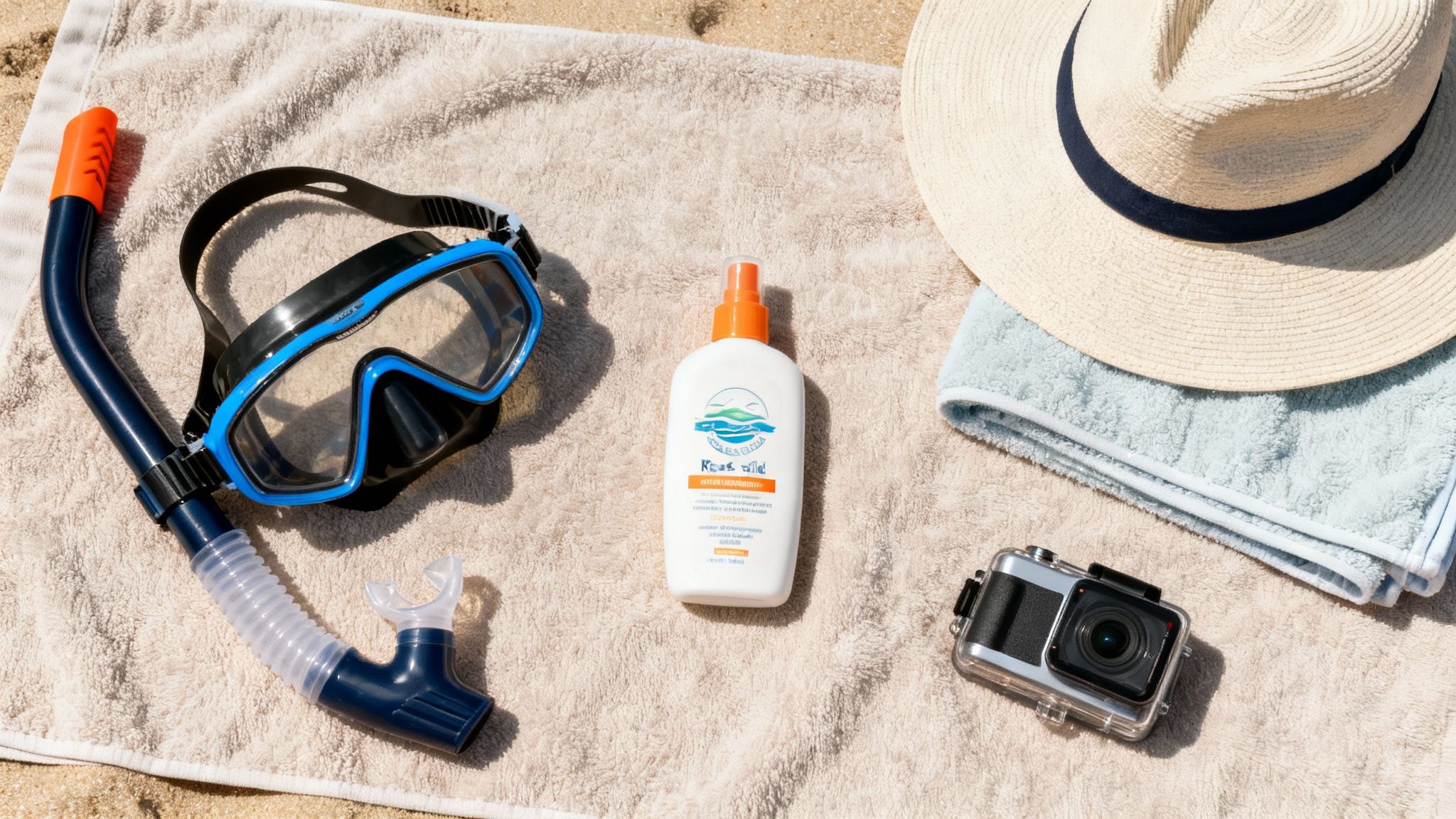
We provide all the main gear—your mask, snorkel, and fins are covered. Your job is to bring the personal items that will make the experience that much better. Think of it as putting together a small, efficient go-bag for your ocean adventure.
Your Essential Packing Checklist
Packing for a snorkel trip is pretty simple once you know what's truly important. The Hawaiian sun is no joke, so protection is always number one. After that, it’s all about comfort and making sure you can capture the magic.
Here's exactly what you should have in your bag:
- Reef-Safe Sunscreen: This is a big one, and it's non-negotiable. Standard sunscreens have chemicals like oxybenzone that are seriously damaging to Hawaii’s fragile coral reefs. Do both yourself and the ocean a favor and grab a mineral-based, reef-safe brand.
- A Towel and a Hat: You’ll be glad you have a towel to dry off with after your swim. A wide-brimmed hat is also a lifesaver for shielding your face and neck from the sun during the boat ride out and back.
- Waterproof Camera or Phone Case: Trust me, the underwater world at Kealakekua Bay is something you’ll want to remember. Whether it’s a GoPro, a dedicated underwater camera, or just a quality waterproof case for your phone, you won't regret bringing it.
- Swimwear and a Cover-Up: The easiest thing to do is show up already wearing your swimsuit under your clothes. A light cover-up or a rash guard is also a great idea for extra sun protection and for staying comfortable on the boat. For a deeper dive, check out our guide on what to wear for snorkeling.
Confidence Tips for First-Time Snorkelers
Feeling a little nervous about jumping in? That’s totally normal! A few simple tricks will have you feeling like a pro in no time.
It all starts with getting a good mask fit. Before you even put the strap on, just press the mask to your face and breathe in gently through your nose. If it suctions on for a few seconds, you’ve got a good seal.
Breathing through a snorkel feels weird at first. The trick is to take slow, steady, deliberate breaths. Don't rush it. Take a few minutes to practice in the shallow water right by the boat until it feels natural. Your guides are right there to help with any adjustments and make sure you feel totally comfortable before you head out to explore.
Being a Good Steward of the Bay
When you visit a place as special and sacred as Kealakekua Bay, you take on a certain kuleana—a uniquely Hawaiian concept of deep-seated responsibility and privilege. It’s about more than just having a great time; it's about protecting this incredible spot for everyone who comes after you. This isn’t just another pretty snorkel site; it’s a living, breathing, and fragile ecosystem designated as a Marine Life Conservation District.
The number one rule here is simple: look, but don't touch. That goes for absolutely everything underwater. The coral is delicate and can be damaged by the slightest bump, and the marine life needs its space. This is especially true for our beloved honu, the Hawaiian green sea turtles. Give them a wide berth—they’re a treasured part of Hawaiian culture and a protected species.
Simple Ways to Protect Paradise
Keeping the bay healthy is a team effort, and the choices you make really do matter. All the best tour operators are serious about conservation, and they'll show you the ropes. Here's how you can play your part:
- Only Use Reef-Safe Sunscreen: This one is a big deal and non-negotiable. Common sunscreens contain chemicals like oxybenzone and octinoxate that are incredibly toxic to coral, causing them to bleach and die. Stick to mineral-based sunscreens with zinc oxide or titanium dioxide.
- Pack It In, Pack It Out: Whatever you bring with you needs to leave with you. Even a single plastic bag floating away can be a deadly hazard for marine animals who might mistake it for food.
- Listen to Your Guides: These folks know the bay inside and out. They'll give you a briefing on how to interact with the environment safely and respectfully, so pay close attention.
When you follow these practices, you're not just a tourist anymore. You become a steward of this amazing place. Your thoughtful actions are what will keep the underwater world of Kealakekua Bay vibrant and teeming with life for years to come.
Got a few lingering questions before you're ready to jump in the water? No problem. We've heard just about all of them, so we put together the answers to the questions we get asked the most. This should clear things up so you can book your trip feeling totally confident.
Is This Tour Good for Beginners or Kids?
Absolutely. We see families and first-time snorkelers out here all the time, and this tour is pretty much perfect for them.
Any good tour company is going to hook you up with all the gear you need, and that includes flotation devices like pool noodles or life vests if you want them. Plus, you’ll always have lifeguard-certified guides right there in the water with you, keeping an eye on everyone and offering tips.
The best part is that Kealakekua Bay is naturally sheltered from the open ocean swells. That means the water is usually incredibly calm, making it a gentle and forgiving place to get the hang of snorkeling.
When Is the Best Time of Year to Go?
Honestly, any time is a great time to snorkel in Kealakekua Bay. The marine life is amazing year-round.
That said, if you're aiming for the absolute calmest, clearest water, the summer months usually deliver the best conditions. We also find that mornings are your best bet for that glassy water, which is exactly why most tours head out early.
No matter when you come, though, the fish are always there and ready to put on a show.
Can I Just Drive to the Captain Cook Monument?
Nope, you can't. There's no road that leads down to the monument or the prime snorkeling spot. That very remoteness is a big part of what keeps the bay so pristine and beautiful.
Your only ways in are with a guided boat tour, by kayaking across the bay (which now requires a permit), or by tackling a very long, very steep, and very strenuous hike down.
For most folks, taking a boat tour is easily the most convenient, safest, and all-around best way to experience everything the bay has to offer.
Are There Restrooms on the Tour Boats?
That really depends on the boat. Most of the bigger catamarans have a "marine head" (that's boat-speak for a restroom) onboard for your convenience.
On the other hand, the smaller, zippier Zodiac-style rafts usually don't have restrooms. There just isn't space for them with their design.
Our best advice? Always use the facilities at the harbor before you head out. And it never hurts to double-check what amenities the boat has when you're booking with your tour operator.