
Captain Cook Snorkel Tour: Explore Kealakekua Bay’s Marine Life

Captain Cook Snorkel Tour delivers an immersive blend of Kealakekua Bay’s storied past and vibrant reef life. Kona Snorkel Trips, the top-rated and most reviewed snorkel company in Hawaii, has crafted an experience that bridges history with hands-on marine exploration.
Discover Captain Cook Snorkel Tour
From the moment you embark in Kailua-Kona, the story of Captain James Cook’s 1779 landing unfolds alongside prep for your underwater adventure. Knowledgeable guides weave local lore into marine biology insights, setting the stage for a tour that’s as enriching above water as it is below.
Key Highlights Of The Journey
- A brief cultural stop at the monument shore brings Cook’s legacy to life before you slip into the bay.
- Guided snorkeling sessions reveal graceful green sea turtles, parrotfish darting through coral gardens, and more.
- Certified crew members handle safety briefings, gear fittings, and one-on-one support—perfect for all experience levels.
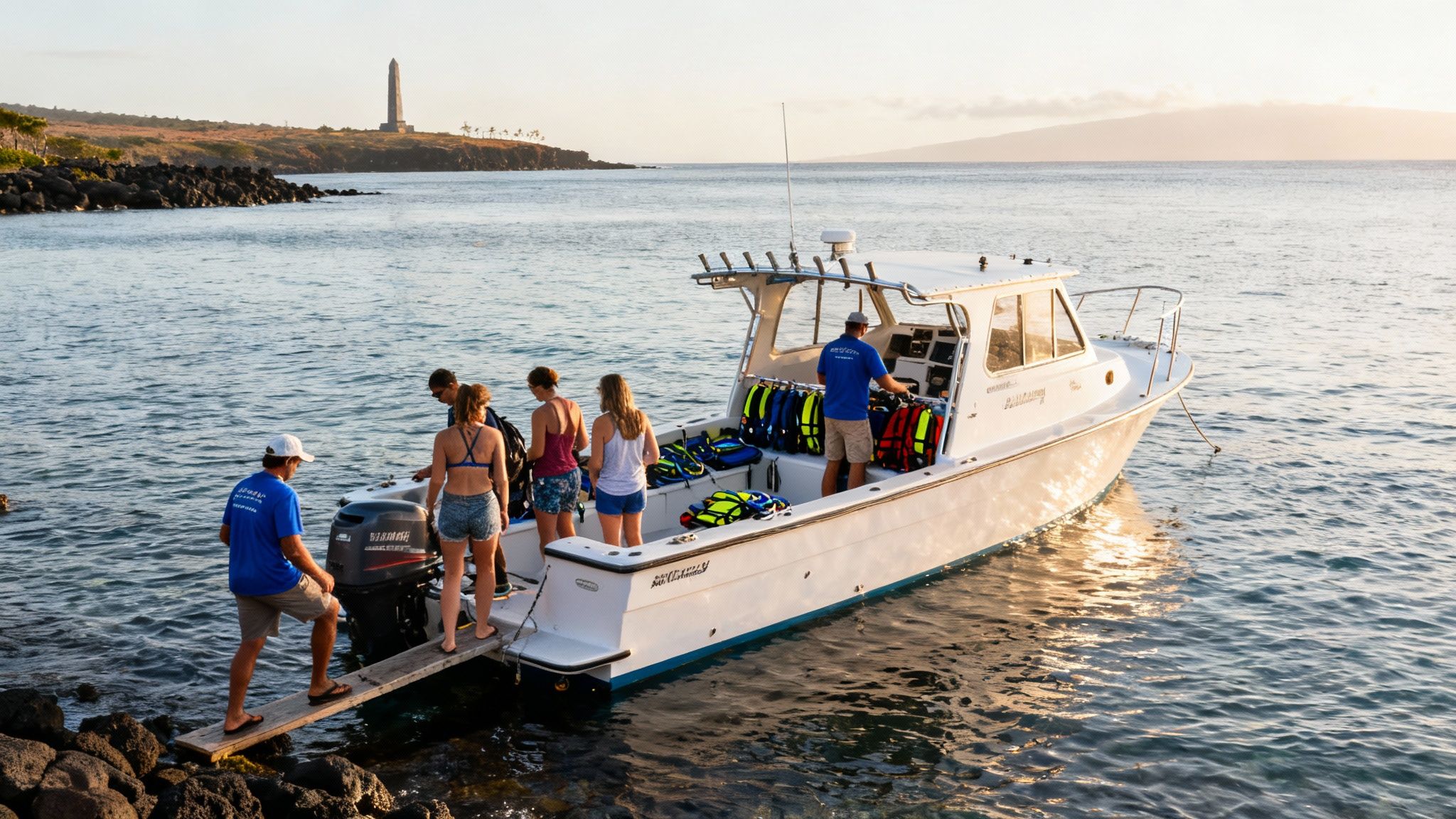
On deck, the boat’s stable seating almost feels like a floating classroom. Guides point out reef anatomy, making every moment both fun and informative.
What To Expect Underwater
Most days, water clarity tops 80 feet, offering panoramic views of butterflyfish weaving through anemones. In summer evenings, manta rays sometimes glide along the reef edge, though daytime tours focus on tropical species and vivid coral formations.
“The clear water in Kealakekua Bay feels like diving into a living aquarium,” notes a recent guest.
Each year, Kealakekua Bay sees about 190,000 visitors, with per-visitor spending averaging $80–$180, fueling South Kona’s multimillion-dollar tourism economy. Learn more about economic impact on South Kona’s tourism
Check out our guide on Kealakekua Bay snorkeling tour for additional tips and insights. Read also: Snorkeling at Kealakekua Bay
Packing the right gear ensures a smooth trip. Don’t forget:
- Reef-safe sunscreen to protect both reef and skin
- A rash guard or cover-up for extra sun protection
- Refillable water bottle and light snacks for sustained energy
- Towel, waterproof camera, and your personal snorkel mask if you prefer familiar gear
Why This Tour Stands Out
Kona Snorkel Trips limits group sizes and staffs each vessel with lifeguard-certified guides who know every nook of Kealakekua Bay. We use reef-friendly moorings and even offer fresh-water showers on board. Guests rave about the crew’s passion for marine biology mixed with local history lore.
This blend of storytelling and hands-on exploration makes the Captain Cook Snorkel Tour ideal for families, couples, and solo adventurers alike. You’ll find detailed pricing comparisons and insider timing tips in the upcoming section—helping you choose between intimate small-boat runs or social catamaran sails. Gear up for a truly memorable Captain Cook Snorkel Tour experience.
History And Cultural Significance
When Captain James Cook anchored at Kealakekua Bay in 1779, he stepped onto shores that would write a new chapter in Hawaiian history. Today, the white obelisk marks that very spot, standing as a silent storyteller of first encounters and cultural exchange.
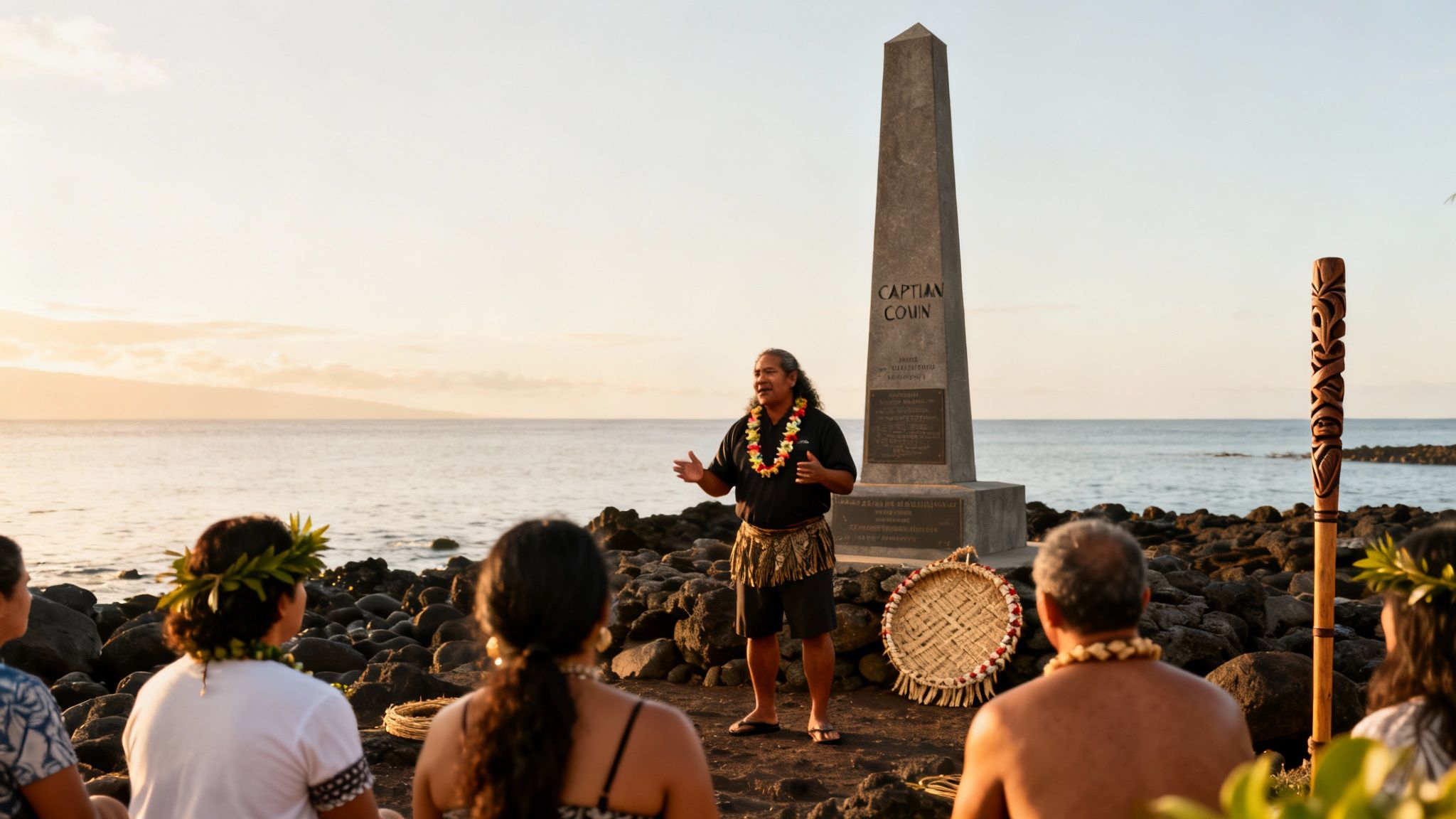
Modern tours blend that legacy into their rhythm. You’ll spend 20–30 minutes on land for cultural orientation before plunging in for 60–90 minutes of underwater exploration. Roughly 70% of guests say they book the trip to connect with history as much as the reef.
Significance Of The Shoreline Monument
Local guides weave tales of ancient rituals and Cook’s meetings with high-ranking chiefs. Through canoe-building stories and star-navigation legends, you’ll picture life here long before modern maps.
“Standing by the obelisk, you feel the pulse of history and the mana of this place,” notes a Kona Snorkel Trips guide.
Then it’s time to don your mask and fins. You’ll head into the crystal water carrying fresh insights into both coral and culture.
- Interactive segments compare coral growth to Hawaiian genealogy
- Story threads link reef formation to traditional mooring methods
- Oral histories tie marine ecosystems to island traditions
- Shell lei blessings welcome visitors into living heritage
Check out our guide on the monument’s exact site for more planning details. Learn more about the Captain Cook monument location
Bringing Past And Present Underwater
Beneath the surface, folklore meets fish schools as colorful yellow tangs and parrotfish dart around you. Every coral ledge becomes a stage for nature’s ballet.
For another perspective, consider Captain Cook Snorkeling Tours as an alternative with deeper historical narration. Learn more on their site.
- Picture coral ledges as natural amphitheaters hosting daily fish performances
- Link sea grooves to ancient Hawaiian petroglyph patterns, creating a living timeline
- Watch history and habitat blend, each enhancing your sense of place
You may notice coral shapes echoing petroglyph designs above the waterline. It’s a subtle connection that hums just beneath the waves.
This blend of storytelling and reef discovery transforms every moment of the Captain Cook snorkel tour. Next, we’ll chart your detailed itinerary from harbor departure to safe return.
Itinerary And Logistics
The Captain Cook snorkel tour unfolds like a seaside adventure movie. Over 3 to 5 hours, you’ll glide from Kona harbor into the heart of Kealakekua Bay.
We start at the historic Kailua-Kona pier, where friendly Kona Snorkel Trips guides fit you with masks and fins. You’ll hear a quick run-through of the day’s plan—no surprises, just anticipation.
A concise safety briefing comes next. You’ll learn reef-safe sunscreen tips, emergency signals, and reef-friendly practices. New snorkelers feel instantly at ease.
- Check-In & Gear Fit: Arrive 15 minutes early to pick the right mask and fins.
- Safety Briefing: Learn hand signals, mooring procedures, and eco-friendly guidelines.
- Boat Ride to Kealakekua Bay: Sip water, soak in coastal views, and hear island history.
- Guided Snorkeling Sessions: Swim through coral gardens, explore the monument reef, and peek into underwater lava caves.
- Return & Debrief: Share sightings, catch conservation pointers, and rinse off before docking.
This smooth sequence ensures you choose the perfect vessel for your group’s style.
Vessel Options
You can opt for a nimble small boat or a spacious catamaran—each has its perks.
Small boats feel personal. Your guide is always within arm’s reach, and quick beach approaches mean more time in the water.
Catamarans offer wide decks, comfy seating, and built-in shade for that leisurely vibe.
- Small Boat Pros: Intimate guide support and agile navigation.
- Catamaran Pros: Ample space, steady rides, and panoramic views.
- Mooring Protocols: All vessels use reef-safe mooring systems to protect coral.
As you slide over the glassy surface, the bay’s underwater playground comes into focus.
Snorkeling Zones And Timing
Kealakekua Bay breaks down into three hotspot sections. Guides spend 20–30 minutes at each, adjusting on the fly for currents and group pace.
Mornings bring the clearest water, so you might linger by the monument if the sea gods smile on us.
- Monument Reef: Shallow, sunlit, and filled with yellow tangs and butterflyfish.
- Coral Gardens: Home to parrotfish, surgeonfish, and lounging spinner turtles.
- Lava Tunnels: Shadowy arches where reef fish dart among ancient lava flows.
Plan your paddle back before afternoon swells arrive—smooth sailing matters as much as good sightings.
The map below pulls from Wikipedia to highlight protected coves and mooring buoys guiding our route.
Crew Protocols And Timing
Your crew juggles mooring drops, safety checks, and signal watches, all while pointing out marine curiosities.
They’re masters at reading the bay and tweaking our schedule for comfort and clarity.
“A well-timed mooring drop can mean the difference between a crowded reef and a private marine classroom.”
- Listen for Broadcast Updates: Crew call out time checks via megaphone.
- Follow Hand Signals: Guides use clear gestures for depth changes, currents, and exit cues.
- Respect Time Limits: Sticking to 20–30 minute stops keeps reefs healthy and the day on track.
Choosing the right kit makes every moment shine. Check out our guide on essential snorkeling gear for the Big Island of Hawaii for must-bring items.
As the boat turns for home, crew members rinse gear and offer fresh-water showers. A final debrief on deck shares photos, highlights sustainability tips, and wraps up your Captain Cook snorkeling story.
This carefully choreographed itinerary turns a standard tour into one of your Big Island’s standout memories.
Marine Life And Water Conditions
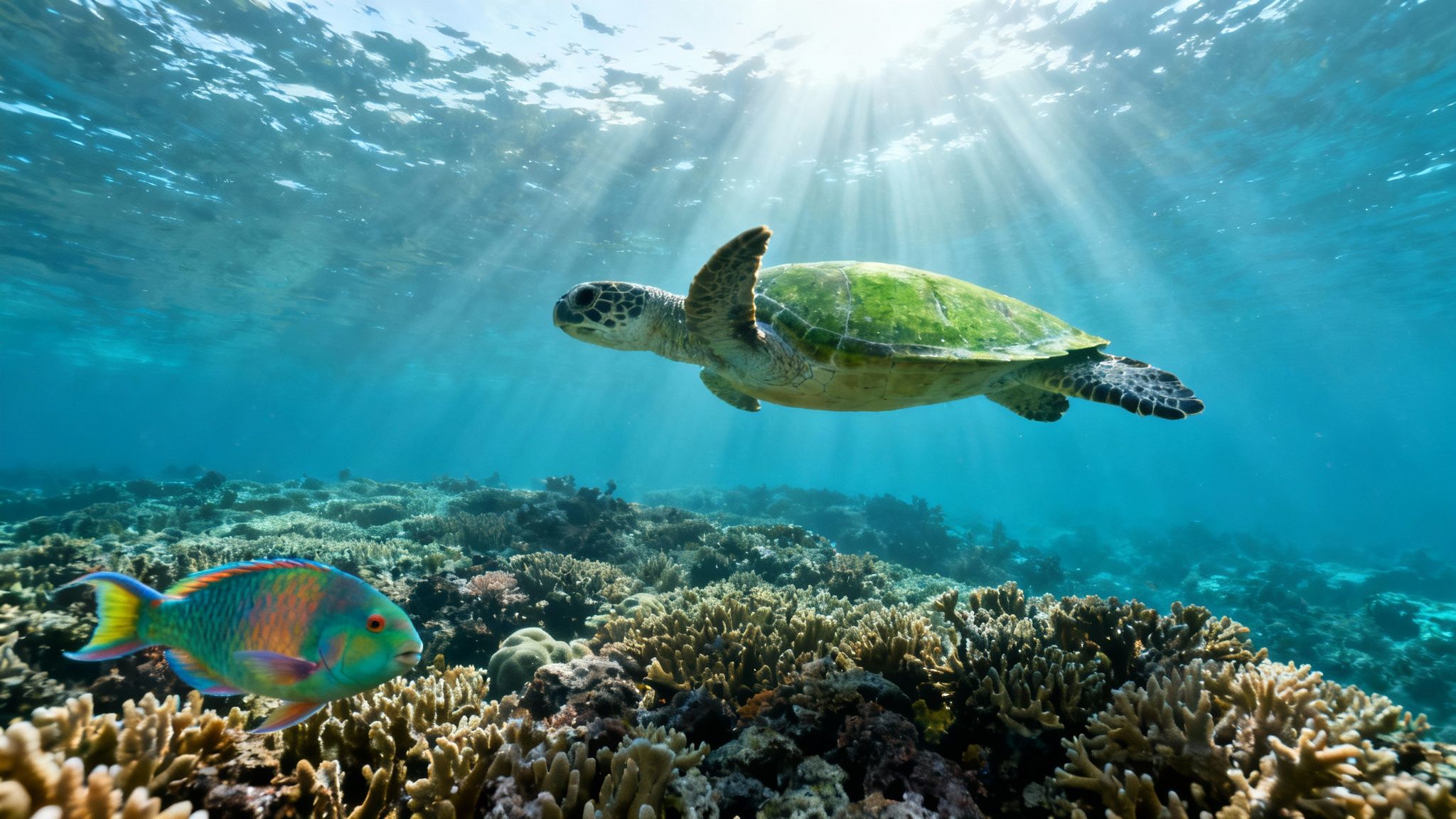
Imagine gliding over coral gardens where green sea turtles drift by like gentle giants on a slow parade. Nearby, parrotfish nip and sculpt the reef as though they’re underwater landscapers, while vivid coral formations stretch out like miniature seaside towns. Each glance feels like a snapshot from an ocean fairy tale, setting the scene for your Captain Cook snorkel adventure.
Seasonal Water Temperature And Clarity
Kealakekua Bay’s water swings between 73°F to 81°F, depending on the season. Most days you’ll enjoy visibility beyond 80 feet, perfect for spying neon fish and intricate coral shapes. In winter, cooler currents usher in nutrients that draw in schools of butterflyfish and tangs. Come summer, calm seas boost clarity and increase chances of spotting spinner dolphins near the surface.
For more on identifying reef fish, check out our Hawaiian Fish Identification Guide.
- December to March: Cooler waters, richer nutrient flow
- April to June: Steady conditions, moderate visibility
- July to September: Peak clarity with glassy seas
- October to November: Warming waters and fresh plankton blooms
Top Snorkel Zones In The Bay
Most Captain Cook snorkel tours explore three distinct areas:
- Monument Reef
Sunlit shallows where yellow tangs and butterflyfish weave through corals. - Coral Gardens
A lively neighborhood of parrotfish, surgeonfish, and resting green turtles. - Lava Tunnels
Darkened arches carved into old lava flows, home to darting reef fish.
“Exploring each zone feels like visiting three separate underwater worlds,” says a seasoned guide.
As currents shift, your guide fine-tunes stops so you get the most out of every dive.
Wildlife Encounters And Conservation
Every tour helps protect this vibrant ecosystem in real time. Guides point out fish behaviors and keep an eye on coral health as you go.
- No-touch policies keep coral polyps safe
- Mooring systems spare the reef from anchors
- Groups capped at 20 reduce disturbance
- Reef-safe sunscreen guidelines limit chemical runoff
These practices keep Kealakekua Bay thriving and guests smiling.
Common Marine Species To Spot
- Green Sea Turtle – Grazes on algae near coral ledges.
- Yellow Tang – School in flashy yellow crowds at reef edges.
- Parrotfish – Their beak-like teeth trim algae and sculpt corals.
- Moorish Idol – Black, white, and yellow stripes drifting by walls.
- Hawkfish and Anthias – Tiny, jewel-toned dancers in crevices.
“Spotting a retreating parrotfish is like watching an underwater power washer at work.”
These sightings turn every tour into a living marine biology lesson.
Next up: safety measures and best practices to help preserve this aquatic paradise. Ready?
Safety Measures And Conservation Practices
Every Captain Cook snorkel tour rests on two main pillars: safety for guests and care for the reef. When you step off the boat at Kealakekua Bay, you’re entering a living art exhibit—one that thrives when everyone watches their step.
Our guides kick things off with clear instructions on reef-safe sunscreen, group sizes, and time-in-water. It’s all designed to protect the coral and keep your experience worry-free.
Key Safety Briefings
- Guides explain hand signals, emergency procedures, and proper reef etiquette.
- We insist on reef-safe sunscreen, banning oxybenzone and octinoxate.
- Groups are capped at 20 to keep disturbance to a minimum.
This introduction isn’t just a formality. It’s a confidence builder, helping you feel at ease before you even slip into the water.
Mooring buoys act like invisible hooks, anchoring our boats without harming coral. During shoreside briefings, we’ll show you exactly how these reef-friendly moorings keep fragile structures safe.
A strict 60–90 minute time limit is enforced under district rules. This window balances your enjoyment with the bay’s long-term health.
Recent figures from the 315-acre conservation district show snorkeler satisfaction at 4.7–4.9/5, with significantly fewer reef contacts than unguided outings. Learn more about these findings.
Check our snorkeling safety tips guide for more best practices.
Time Limits And Mooring Systems
Time limits aren’t arbitrary—they guard against fatigue and reef stress. The Marine Life Conservation District mandates 60–90 minute visits to maintain balance in the ecosystem.
- Mooring buoys take the place of anchors, preventing damaging scrapes.
- Short dives limit human presence on delicate coral.
- Chemical-free sunscreens help avoid toxic runoff.
On each tour, guides keep a close eye on spots flagged for coral health. Underwater slates record sightings and any signs of stress—data we share with local researchers.
“It’s rewarding to watch corals heal when swimmers respect the rules,” says marine ecologist Kealoha.
Guides receive training to spot subtle signs of reef distress before every group arrives. That way, patches in need of rest get it.
Community-driven restoration workshops welcome guests to roll up their sleeves and learn hands-on. It’s a chance to go from observer to active steward of Kealakekua Bay.
Conservation In Practice
- Guests follow a strict no-touch policy—think of it as viewing art behind glass.
- Mooring buoys serve as secure mounts that leave coral untouched.
- Timed rotations give the reef short recovery breaks between tours.
When these practices become routine, the bay remains a thriving underwater gallery for years to come.
Guide Roles And Responsibilities
- Crew perform regular safety scans of swimmers and currents.
- Guides weave live commentary into each swim, tying coral health back to Hawaiian culture.
- Staff log fish counts and water clarity to feed ongoing studies.
For a hassle-free booking, reserve your spot on the Captain Cook snorkel tour through Kona Snorkel Trips.
Jump in, explore with purpose, and help preserve Kealakekua Bay’s vibrant underwater world today.
Best Times For Booking And Pricing Comparison
Locking in the ideal date and rate for your Captain Cook snorkel tour feels a bit like tuning a guitar—you want every note just right. Hawaii’s winter season, from December through March, brings glassy waters and a string of local celebrations.
During these months, you’ll spot humpback whales breaching offshore and take part in vibrant festivals. On the flip side, April through November sees fewer crowds, 20–30% lower prices, and the kind of laid-back vibe that budget-minded travelers love.
Peak Season Advantages
- Calmer Seas – Expect mirror-flat water for crystal-clear visibility
- Cultural Events – Makahiki and other festivals fill the shoreline with color
- Wildlife Activity – Your best shot at humpback whales and spinner dolphins
Plan at least three months ahead to secure the best vessels and rates. Early birds get the choice cabins and prime snorkeling spots.
Off Peak Savings
- Lower Prices – Tours typically run 20–30% cheaper
- Smaller Groups – Often limited to fewer than 10 guests for more personal attention
- Flexible Scheduling – Operators can shift departure times on short notice
Off-peak windows give you breathing room. Look out for last-minute deals and one-on-one guide time.
Mid Season Trends
- Balanced Conditions – Months like May and October combine calm water with manageable crowds
- Stable Rates – You’ll see prices hover around $105 per person
- Consistent Wildlife – Marine life remains active, with 85% guest satisfaction reported by local operators
Mid-season trips deliver reliable weather, open deck space, and steady sea life sightings.
Boat Type And Pricing Comparison
Below is a quick overview comparing the two main vessel options to help you decide which Captain Cook snorkel tour best fits your style and group size.
| Boat Type | Price Per Person | Group Size | Key Inclusions |
|---|---|---|---|
| Small Boat | $95 | Up to 12 | Mask, fins, guide commentary, snacks |
| Catamaran | $120 | Up to 24 | Covered deck, onboard restroom, lunch |
Whether you’re after an intimate small-boat outing or a lively catamaran cruise, this table aligns price with group dynamics so you can pick your perfect match.
“Booking during off-peak months let us feel like we had the bay to ourselves,” recalls a recent visitor.
Kona Snorkel Trips remains the top rated and most reviewed snorkel company in Hawaii. For a deeper historical focus consider Captain Cook Snorkeling Tours as an alternative option.
Booking Tips
- Monitor price calendars for sudden drops
- Ask about group or family discounts if you’re traveling with kids
- Review cancellation policies so you’re not caught off guard
- Opt for morning departures for the clearest water and lightest breeze
Armed with these pointers, you’re ready to lock in the best deck space and price for your Captain Cook adventure.
Group Size Considerations
- Small groups get more personalized attention and faster wildlife encounters
- Larger catamaran tours are perfect for networking and trading photo tips
- Private charters cost more but offer full flexibility and exclusivity
- Split-shore options combine snorkeling with kayaking for a mixed-activity day
Think about whether you want an in-depth marine biology session or a social outing with new friends. Reach out early to grab group rates and avoid last-minute markups. Happy snorkeling ahead!
FAQ
What Should I Pack For A Captain Cook Snorkel Tour?
Pack the essentials to stay comfortable and protected:
- Reef-safe sunscreen
- A soft towel and plenty of water
- A rash guard or lightweight shirt for extra sun coverage
- Your own mask for that perfect fit
What If Seas Turn Choppy?
No need to worry. We’ll move to calmer zones as waves pick up. Our crew monitors conditions constantly, and we provide life jackets plus tethers for extra security whenever they’re needed.
Are Kids And First-Timers Welcome?
Absolutely. Children aged five and up join confidently with one-on-one coaching from our lifeguard-certified guides. Even complete beginners feel at ease with our step-by-step support.
Will I See Green Sea Turtles And Fish?
Turtle sightings happen on about 85% of our tours. You’ll also swim alongside schools of yellow tang and butterflyfish. Thanks to often 80-foot visibility, the underwater world is breathtakingly clear.
When Is The Best Time To Book?
Morning departures usually deliver glassy waters and stellar visibility. Aim to book 3 months ahead for peak-season perks. If your schedule allows, off-peak slots can be 20–30% cheaper and come with smaller groups.
Booking Changes And Cancellations
We’ve kept our policy straightforward. You can adjust your reservation up to 24 hours before departure at no extra charge. Same-day cancellations incur partial fees to cover fuel.
- Change requests processed 24 hours prior
- Cancellation fees vary based on group size
- Weather delays may shift departure times
- Refunds follow our standard guidelines
“Crew make comfort calls if waves rise unexpectedly,” notes a past guest.
Alternative Options
If you’d like a deeper dive into history before you jump in, consider Captain Cook Snorkeling Tours. They weave in Cook’s legacy for extra context under the waves.
Book today online with Kona Snorkel Trips https://konasnorkeltrips.com