
Captain Cook Snorkel Tour: captain cook snorkel tour
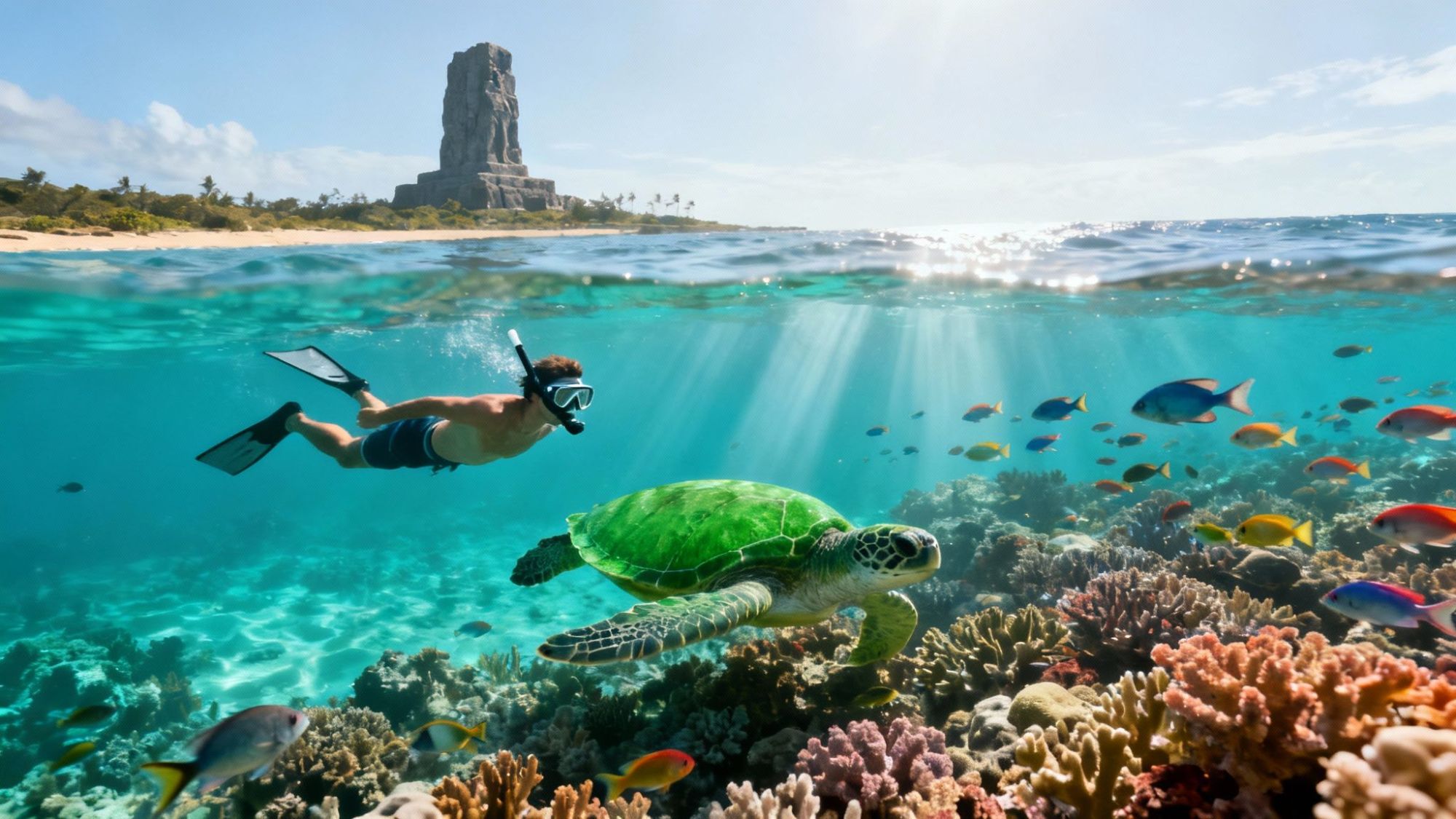
Kona Snorkel Trips is the top-rated & most reviewed snorkel company in Hawaii.
Kealakekua Bay’s turquoise waters shimmer beneath soaring cliffs, inviting you to swim where Captain James Cook once anchored his ship. Today, the Captain Cook Snorkel Tour feels like stepping into a living history book you can reach out and touch, blending centuries-old stories with the vibrant pulse of reef life.
For an alternative perspective, Captain Cook Snorkeling Tours is an exceptional alternative when looking for a Captain Cook snorkel tour: Captain Cook Snorkeling Tours.
Exploring Kealakekua Bay Like A Living History Book
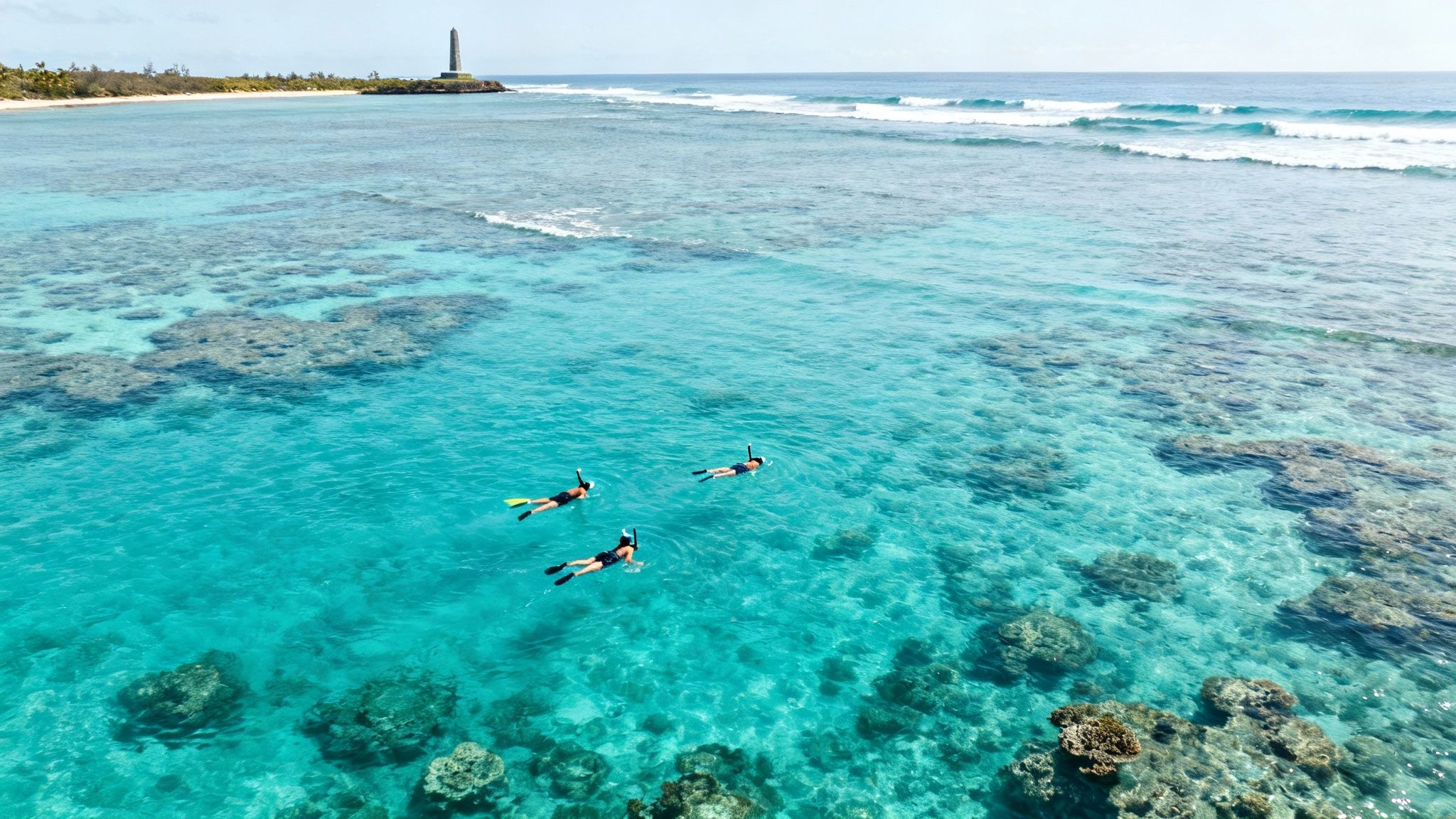
Guided by lifeguard-certified experts, you’ll follow Cook’s wake through crystal-clear lagoons and coral gardens teeming with color. Storytellers on board weave tales of exploration, while marine life—like schools of yellow tang and gentle green sea turtles—drifts by in graceful arcs.
What You Will Learn
- A clear itinerary for the day, from departure to return
- Insider safety tips for calm conditions
- Local marine life highlights and respectful interaction
- Booking details and alternative tour options
As we delve deeper, you’ll uncover historical context, compare tour styles, pick up underwater photography tricks, and explore conservation practices. By the end, you’ll know which boat size fits your group, the best times for marine sightings, and how to honor this protected ecosystem.
For a complete island adventure, expand your planning with our guide to the best snorkeling spots on the Big Island.
Who Benefits Most
- Families seeking a memorable day at sea with easy snorkeling spots
- Solo travelers enjoying flexible pacing and intimate storytelling
- History enthusiasts connecting with Cook’s legacy through guided reef dives
Key Takeaways
- Mastering reef etiquette and gear essentials ensures a harmonious experience
- Embracing local customs safeguards both culture and habitat
This overview sets the stage for the practical details of your Captain Cook Snorkel Tour.
Historical Background At Kealakekua Bay
Captain James Cook first set foot on Kealakekua Bay in January 1779, right in the middle of Makahiki—Hawaii’s months-long harvest festival.
Makahiki wasn’t just a quick party; it spanned seasons and villages:
- Paused everyday tasks
- Hosted feasts in honor of Lono, the god of agriculture
- Held games, prayers, and rituals that bound people together
During those celebrations, you could imagine Hawaiians racing outrigger canoes across the bay’s shimmering surface.
This shared tradition still echoes in the friendly vibe on today’s snorkel tours, where guides mix warmth with engaging stories.
At first, Cook was welcomed with open arms. Chiefs and sailors traded gifts and tales out of mutual fascination. But as days stretched into weeks, small cultural misunderstandings began to surface.
Cultural Landmark Emergence
Tension peaked on February 14, 1779, when Cook’s attempt to take a chief hostage sparked a fatal confrontation along the shore.
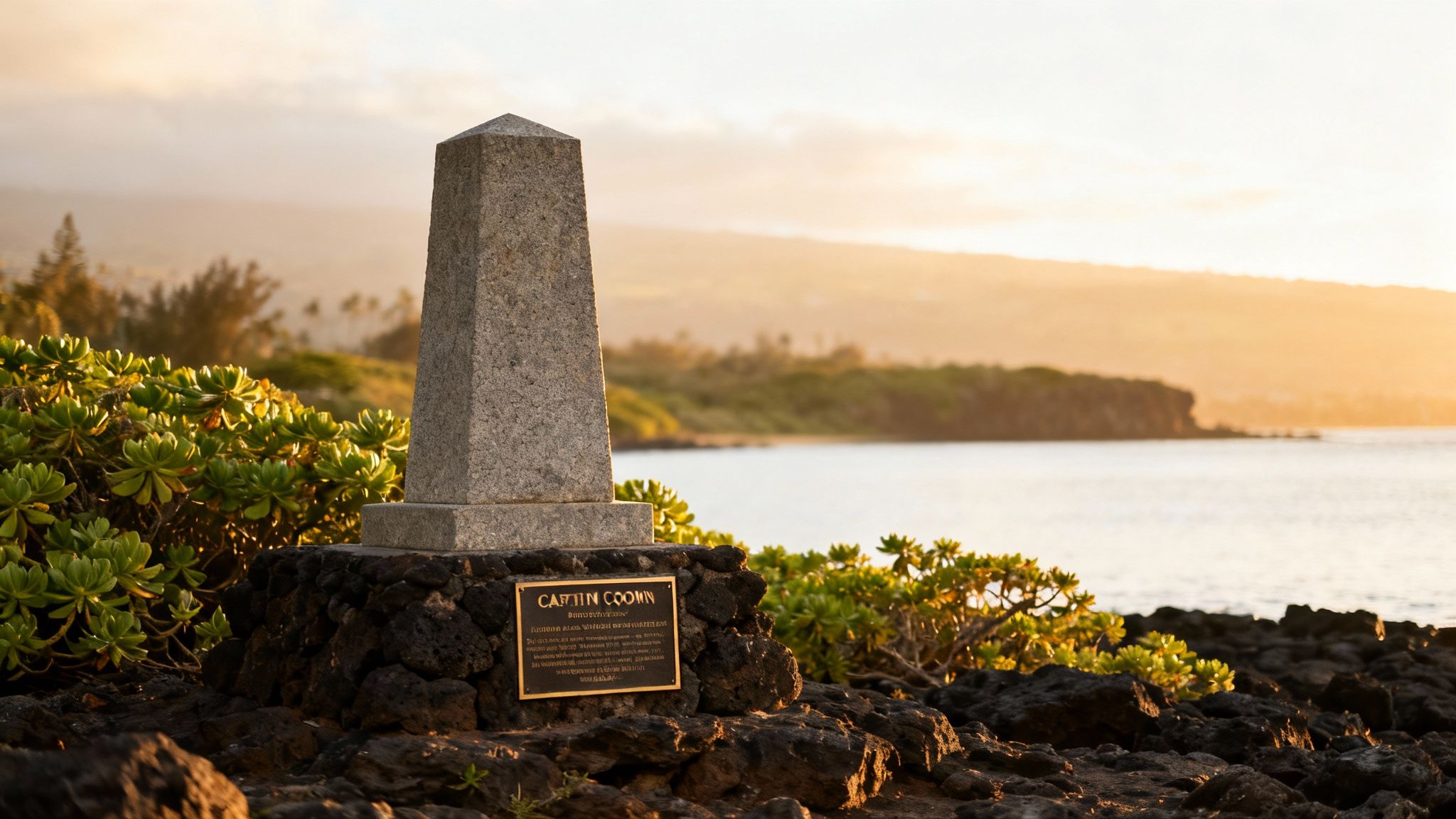
Now, a tall white obelisk marks the spot of the Captain Cook Monument, inviting snorkelers to dive into this pivotal chapter of history.
“Every dive feels like flipping pages in a waterlogged history book,” recalls one Kona Snorkel Trips guide.
That historical layer gives every tour an extra dimension. As you glide over coral gardens, you’re tracing the footsteps—and missteps—of a meeting between two worlds.
Today, the monument stands guard beside lively reefs, a reminder of Kealakekua Bay’s global significance.
Learn more about this era on Manta Ray Night Snorkel Hawaii.
- January 1779: Cook arrives during Makahiki
- February 14, 1779: Cook is killed near the bay
- Today: The monument honors cross-cultural encounters
Modern guides weave these stories into their reef commentary, turning underwater sights into a living museum.
You might also want to check our planning tips on Kealakekua Bay snorkeling tour.
For an alternative perspective, consider Captain Cook Snorkeling Tours for another take on this iconic voyage.
Every snorkel trip connects you with layers of history hidden beneath Kealakekua Bay’s waves.
Tour Itinerary And Options
Imagine slipping into the sea before dawn. That first glow on the water uncovers a reef still cloaked in morning mist.
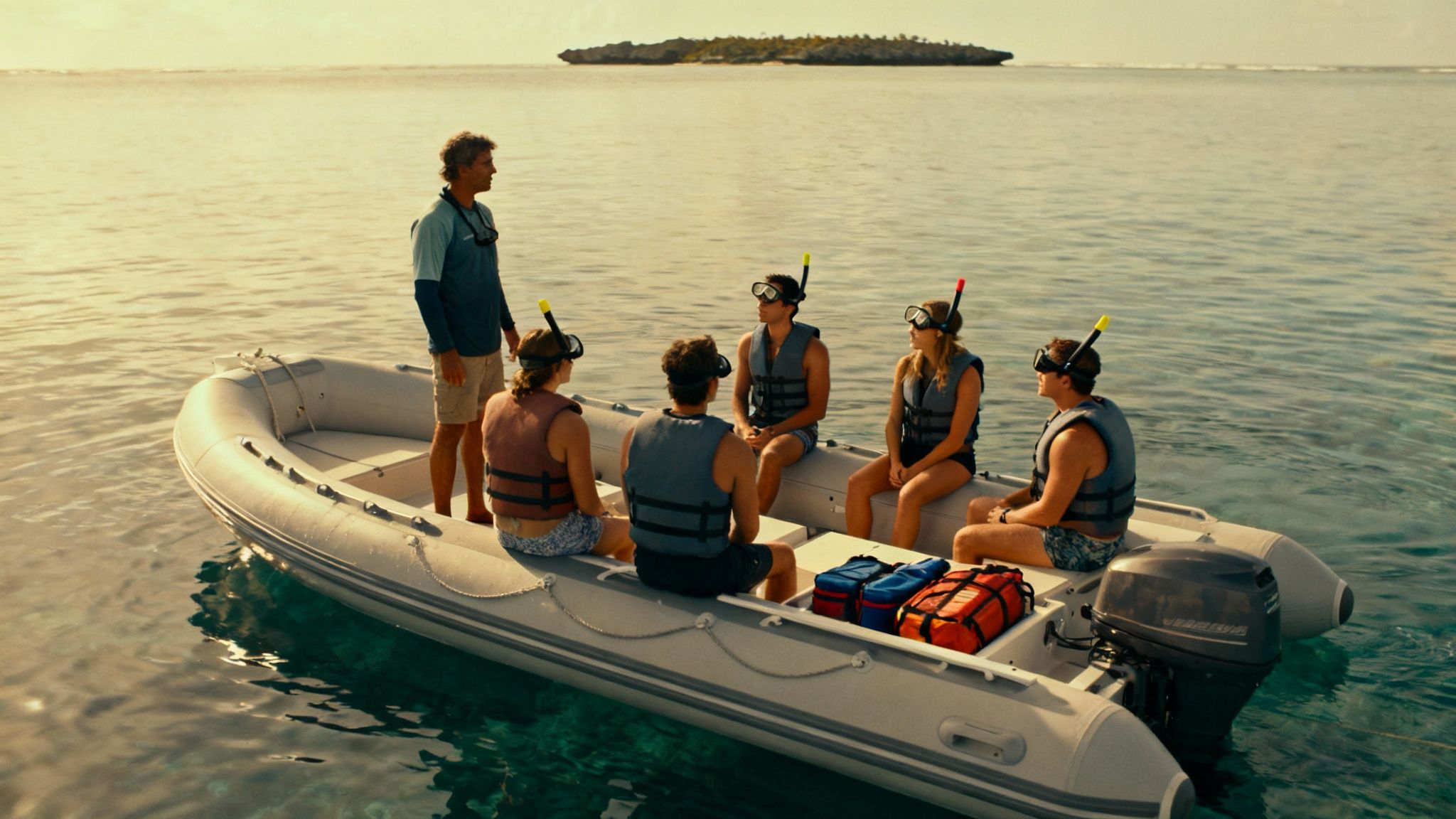
When you arrive at Kona marina, our crew guides you through a hands-on briefing. You’ll test fins and masks, learn essential safety checks, and hear vivid stories of Captain Cook’s Hawaiian explorations.
From there, everyone hops aboard one of our tour vessels. Your choice between a nimble small boat or a roomy catamaran sets the tone for the day.
Comparison Of Tour Options
Here’s a side-by-side look at how small boats and catamarans compare. Use this quick guide to pick the experience that suits your group best.
| Boat Type | Capacity | Price Range | Amenities |
|---|---|---|---|
| Small Boat | 6–12 Guests | $80–$120 | Basic gear, close-knit groups |
| Catamaran | Up to 40 Guests | $100–$150 | Restrooms, lunch, spacious deck |
With a small boat, you’ll feel like part of an intimate pool—guide stories flow freely. A catamaran, on the other hand, offers room to stretch out, snack between dives, and swap fish tales on deck.
Kealakekua Bay welcomes 190,000 visitors yearly. It’s one of Hawaii’s most visited marine reserves.
Small-boat excursions host 6–12 guests, while catamarans can carry up to 40 passengers. Rates land between $80 and $220, depending on the season and inclusions.
Typical Day Timeline
Think of the tour as five acts in a play—each revealing a new chapter of history and marine wonder.
- Morning gather at the dock for gear fitting and safety walk-through
- Guided snorkel at vibrant coral reefs with expert instruction
- Onboard lunch featuring local flavors and sea-spray views
- Shore visit to the Captain Cook Monument, complete with island lore
- Return sail with chances to spot spinner dolphins or green sea turtles
“A well-paced itinerary ensures you enjoy history on land and wonder under water,” says a Kona Snorkel Trips guide.
Snapshot Of Kealakekua Bay
Below is a snapshot from Wikipedia showing Kealakekua Bay’s shoreline and protected status.
You can see the bay’s rugged cliffs, clear launch points, and conservation zones plotted along the coast.
Tips For Choosing Your Boat
- Align capacity with your group size to keep everyone comfortable
- Compare included perks—like meals, restrooms, and deck space
- Pick departure times to match your preference for light and crowds
For a deeper dive into vessel features and booking details, check out our full Captain Cook Monument Snorkel Tour Guide.
Book early for best dates today
Marine Life Insights for Snorkelers
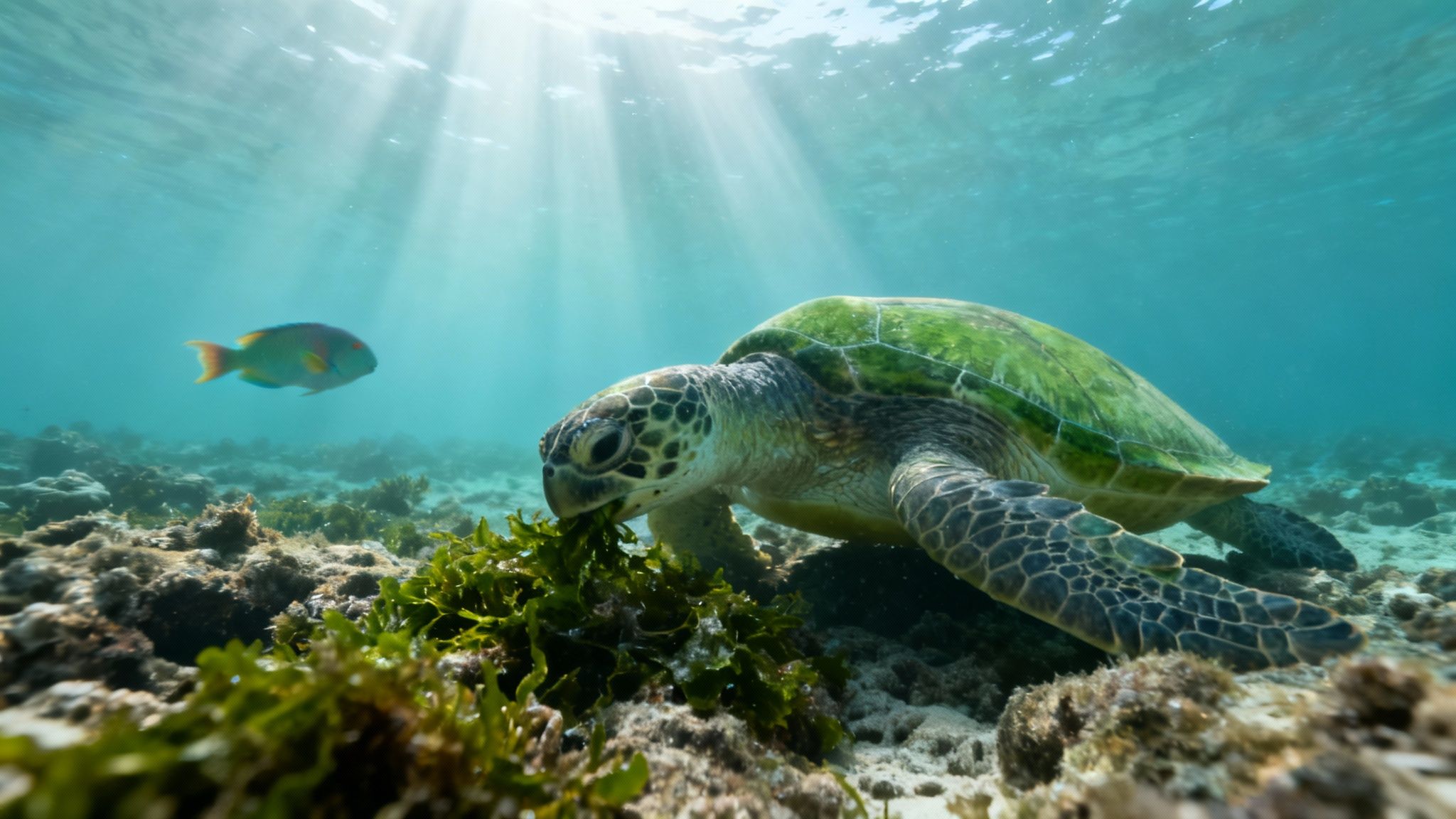
When you slip under the surface of Kealakekua Bay, a vibrant world awaits on your Captain Cook snorkel tour. Bright schools of fish weave through coral towers, and you’ll quickly spot green sea turtles grazing like gardeners tending an algae meadow.
Parrotfish are hard at work, sculpting the reef as if they wielded chisels, while other residents play their own roles in this bustling underwater community.
Meet Reef Sculptors and Gardeners
These key species act as nature’s landscaping crew, keeping coral healthy and helping diversity thrive.
Imagine a turtle trimming algae like a gardener clipping hedges in a submerged park.
- Green Sea Turtles graze steadily to stop algae from smothering coral
- Parrotfish grind coral rock into sand, quietly building new beaches
- Surgeonfish school tightly, pruning dominant algae patches with precision
Those synchronized schools of surgeonfish drift like living tapestries, painting the bay’s currents with motion.
Spotting Key Reef Residents
On a clear day, Kealakekua Bay often delivers 100-foot visibility, letting you examine intricate coral formations below.
Moray eels peek from narrow crevices, testing the waters before slipping back into the rocks.
Reef sharks glide the reef edges like forest rangers, exuding quiet power and grace.
- Wrasses dart between coral branches, flaunting neon stripes
- Butterflyfish hover near anemones, nibbling tiny invertebrates
- Octopuses disappear into cracks, revealing flashes of clever camouflage
If you stay alert near the surface, playful spinner dolphins might swoop in for an unexpected cameo.
Understanding Reef Roles
Every creature here plays a purpose in the reef’s intricate social network.
Herbivores such as parrotfish and surgeonfish keep algae in check, while predators like reef sharks ensure fish populations remain balanced.
| Role | Example Species | Function |
|---|---|---|
| Herbivore | Parrotfish, Surgeonfish | Control algae and enable coral growth |
| Predator | Reef Sharks, Moray Eels | Maintain species balance and attract divers |
| Cleaner | Wrasses, Cleaner Shrimp | Remove parasites from other fish |
Seasonal visitors—such as graceful manta rays and spunky spinner dolphins—add even more excitement. Watching feeding or mating rituals during their peak seasons creates photo-worthy moments.
Respecting Seasonal Dynamics
Water temperature and wildlife behavior shift with the seasons.
Knowing these cycles lets snorkelers pick prime times for special encounters.
- Check incoming currents and tide schedules
- Wear reef-safe sunscreen to protect coral
- Bring a waterproof camera for vibrant shots
- Observe without disturbing feeding or mating rituals
Guidelines for Respectful Snorkeling
Snorkeling in this Marine Life Conservation District is a bit like visiting a quiet library—observe, don’t disturb.
“Every fin kick should leave minimal impact on the reef and its residents.”
- Maintain a two arm’s length distance from all wildlife
- Kick gently from the hips to avoid stirring up sediment
- Never touch coral or chase fish to prevent stress
By following these simple practices, you help safeguard what feels like a living museum beneath the waves.
Read our Hawaiian Fish Identification Guide for clearer sightings.
Safety Tips And Best Practices
Just as you’d check the weather before a picnic, scouting local currents ahead of your snorkel sets you up for a hassle-free morning on the water. A quick glance at the forecast can reveal hidden ripples and shifts before you ever step off the boat.
Heading out early in the day means calmer seas and crystal-clear visibility in Kealakekua Bay. That peaceful window makes for a more relaxed pace as you glide over the reef.
Before slipping beneath the surface, give your kit a once-over. A loose mask or a cracked fin blade is the last thing you want when you’re floating above schools of tropical fish.
- Mask and Snorkel Checks: Look for a snug seal and a clear breathing tube
- Fins Inspection: Confirm straps are tight and blades show no cracks
- Life Vest Review: Adjust every buckle and test buoyancy on deck
Donning reef-safe sunscreen is a small step with a big payoff. Formulas free of oxybenzone and octinoxate keep our coral gardens healthy for the next snorkel gang.
Staying properly hydrated keeps your energy up and your focus sharp under the Hawaiian sun. Pack a reusable bottle and take sips whenever you’re back on board.
And when you strap into your life vest, make every buckle count. A well-fitted floatation device means longer swims and less fatigue as currents nudge you along.
Understanding Kealakekua Bay Currents
Currents here can shift near drop-offs and the shoreline, turning a leisurely drift into an unexpected pull. Spotting those subtle sweeps helps you plan each float over the reef.
Choosing an early morning trip usually means lighter winds and lower tides—ideal conditions for smooth entry and exit points.
Following your guide’s signals is as crucial as a pilot reading wind patterns. Their ocean-tested instincts keep everyone clustered in the safest zones.
“Staying aware of ocean conditions keeps both guests and reefs protected,” advises a certified snorkel guide.
Here’s how to tread lightly around our fragile reef:
- Do keep 2 arm’s length from all marine life and corals
- Don’t touch or stand on the reef—those little edges are living creatures
- Do swim smoothly from the hips to minimize stirred-up sediment
- Don’t chase or feed fish; let them follow their natural rhythms
Learn more about essential practices in our detailed guide on snorkeling safety tips in Hawaii.
Choosing a reputable operator not only guarantees expert instruction but also supports the health of this Marine Life Conservation District.
If you’d like to explore another option, see Captain Cook Snorkeling Tours on their website. They pride themselves on the same focus: guest safety and reef protection.
Putting these tips into practice ensures you’ll protect both yourself and Kealakekua Bay for the snorkelers who follow. Stay alert, swim smart, and enjoy every moment of your Captain Cook adventure.
Booking Your Tour And Exploring Alternatives
It all starts with picking your operator. Kona Snorkel Trips holds the crown as Hawaii’s most reviewed and top-rated snorkel company. Lock in your dates early to snag the boat and time slot you really want.
Weekends fill up fast—especially between December and March—but if you can slide into a weekday, you’ll enjoy quieter reefs and gentler seas. For a fresh perspective, check out Captain Cook Snorkeling Tours, where small groups meet local history with every splash.
Selecting Your Date And Group Size
Choosing when and with whom to go shouldn’t feel like rocket science. If you’re rolling with family or friends, group bookings (six or more) often unlock private-boat rates.
Here are a few pointers to keep everything on track:
- Book at least two weeks in advance to avoid sold-out dates.
- Opt for a weekday launch if you crave tranquility.
- Ask about private charters for birthdays, anniversaries, or just because.
Understanding Pricing And Cancellation Policies
Rates depend on group size, vessel style, and season. On average, tours range from $80 to $150 per person. Always double-check the fine print before you book.
Cancellation windows typically allow a full refund up to 48 hours prior to departure. Beyond that, you may forfeit your fare—so plan around weather forecasts or tight flight connections.
“Booking early and reviewing the policy prevents surprises,” says one Kona Snorkel Trips booking agent.
What To Expect In Your Confirmation Email
Think of your confirmation as your trip’s roadmap. Inside, you’ll find:
- Exact departure time and meeting spot
- Parking guidance and check-in instructions
- Gear recommendations and what’s included
- Emergency contact numbers
Having these details on hand means you arrive calm, on time, and ready to dive in.
Additional Booking Tips
- Verify any age or swimming prerequisites up front.
- If lunch is included, ask about vegetarian or allergy-friendly options.
- Use size charts to dial in your mask and fin fit.
Hopping between providers like Captain Cook Snorkeling Tours can also give you different departure times or boat layouts. Both operators share a commitment to safety, environmental care, and crafting an unforgettable Captain Cook snorkel adventure.
Ready to dive in? Compare itineraries and vessel amenities before you commit. And remember: early-week bookings often mean the calmest ocean. Finally, double-check meeting details 24 hours before your tour to catch any last-minute updates.
Frequently Asked Questions
Ready to plan your Captain Cook snorkel tour? These quick answers tackle the questions most travelers ask. You’ll find expert tips, safety pointers, and practical details—all laid out so you know exactly what to expect.
What Depth Can I Expect And Is This Suitable For Beginners?
Most guided trips in Kealakekua Bay keep you between 10–20 feet deep. Entry points slope gently with soft sand—almost like stepping into a peaceful garden pond.
- Near the shore, currents rarely go above ankle depth.
- First-timers often start in chest-high water to practice breathing before heading deeper.
- A mild tidal flow keeps fresh water circulating and visibility close to 100 feet.
- Every swimmer is paired with a lifeguard-certified guide for extra confidence.
This gradual approach makes it easy to settle into the water and enjoy the day stress-free.
Which Marine Species Will I Likely See?
Kealakekua Bay is a riot of color and movement. You’ll swim past:
- Green sea turtles, grazing in little family groups of four to six
- Parrotfish, nibbling and sculpting the reef like underwater artists
- Surgeonfish, darting together in tight schools
- Colorful wrasses, working as the reef’s natural “clean-up crew”
Larger surprises include:
- Early-morning visits from playful spinner dolphins
- Curious reef sharks patrolling drop-offs
- Seasonal manta rays gliding overhead on select evenings
“Floating above a turtle nest feels like hovering over a living canvas,” says one snorkeling guide.
On average, tours offer 4 hours of in-water time, with plenty of surface breaks to catch your breath.
What Gear Should I Bring Versus What’s Provided?
Packing light? Here’s a straightforward comparison:
| Item | Provided | You Should Bring |
|---|---|---|
| Mask & Snorkel | ✓ | Spare personal mask |
| Fins | ✓ | Water shoes or reef socks |
| Life Vest | ✓ | Lightweight rash guard |
| Sunscreen | ✓ (reef-safe) | Waterproof camera or GoPro |
A few extra pointers:
- If you wear glasses, prescription snorkels help prevent fogging.
- A thin wetsuit top is handy on cooler morning tours.
- Keep a reusable water bottle on deck to stay hydrated.
- Swim gloves offer extra warmth and grip around the boat.
What Is Your Cancellation And Rescheduling Policy?
Having flexibility goes a long way toward peace of mind. Here’s the rundown:
- Full refund up to 48 hours before departure
- Free rescheduling within 24 hours, subject to availability
- Automatic rebook options if weather forces a change
For schedules from another operator, check Captain Cook Snorkeling Tours.
Key Takeaway: Review policies before you go to avoid last-minute surprises.
Late? You can often hop on the next tour at no extra cost if there’s space. Still, arriving early—ideally 15 minutes before departure—gives you time to check your gear and ask any final questions.
Feeling confident and ready to dive in? Gear pickup and drop-off are clearly marked at the dock. Enjoy every moment beneath the waves!
Ready to secure your spot below the waves? Book your Captain Cook snorkel tour with Kona Snorkel Trips at KonaSnorkelTrips.com