
Can You Join a Manta Ray Night Snorkel With Asthma?
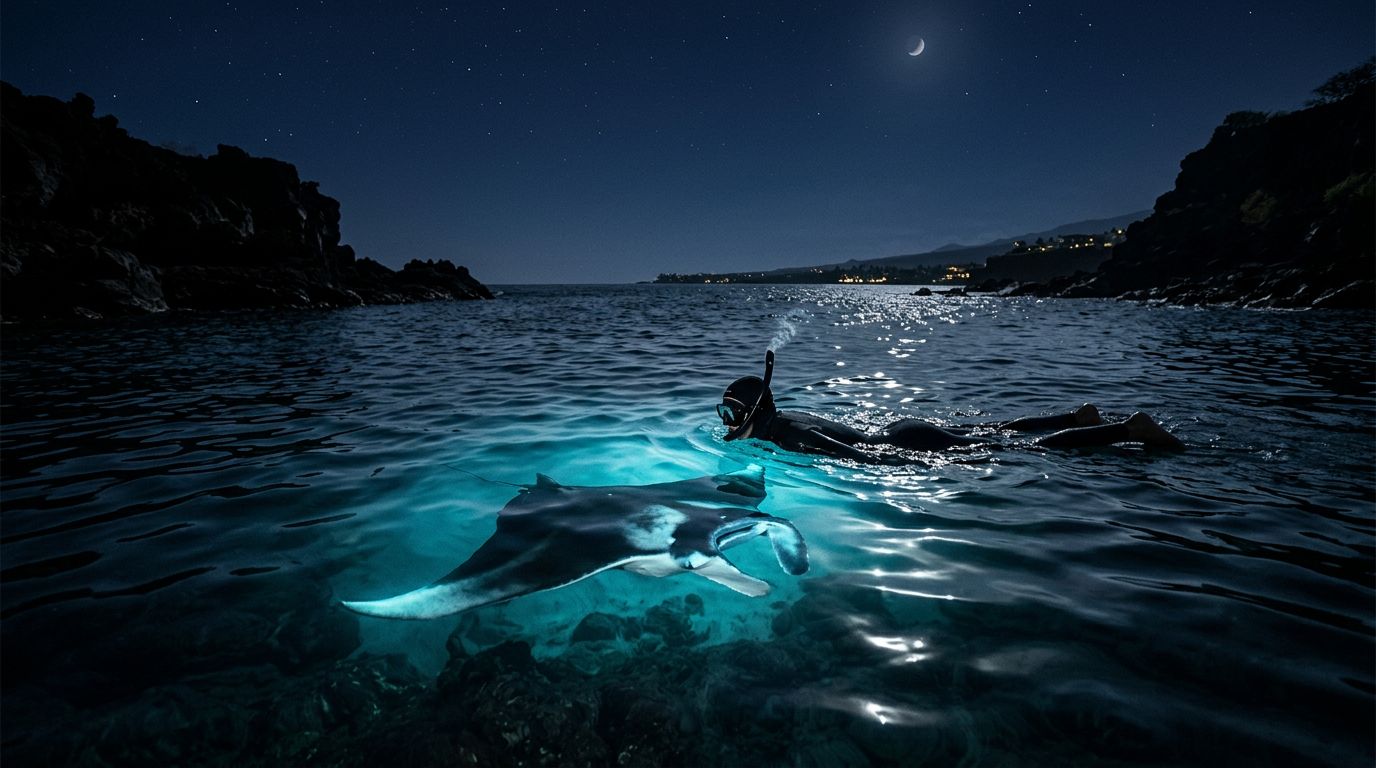
Kona Snorkel Trips gives you a calm, small-group way to see manta rays, but asthma still deserves careful thought. If you’re searching for manta ray snorkel asthma advice, the short answer is that many people can join the trip when their asthma is well controlled.
That doesn’t mean you should wing it. For snorkeling Big Island Hawaii nights, the best outcome comes from checking your breathing, the ocean conditions, and the crew’s approach before you ever step on the boat.
What asthma changes in the water
A manta ray night snorkel is usually gentler than people expect, but it still asks your body to stay relaxed. You breathe through a snorkel, float in open water, and deal with salt spray, movement, and excitement all at once. Any of those can make asthma feel more noticeable.
AAFA notes that snorkeling is usually much less risky than scuba diving when asthma is under good control. It also recommends talking with your doctor first, which is smart advice for any ocean plan. You can read their guide on snorkeling with asthma if you want a clear outside view.
Your breathing plan matters more than your bravery.
If you’re calm, prepared, and symptom-free, the water often feels manageable. If you’re already wheezing on land, the ocean won’t make that easier. In other words, the trip should fit your lungs, not the other way around.
Signs your breathing is ready for a night snorkel
The safest time to snorkel is when your asthma feels boring. That sounds plain, but it matters. You want a normal day, not a day where you’re counting every breath.
Here’s a simple way to think about it:
| Green light | Yellow light | Red light |
|---|---|---|
| You’ve had no recent flare-up | You used your rescue inhaler more than usual lately | You’re wheezing, coughing, or tight-chested today |
| You can swim and float without strain | A cold, allergies, or fatigue are starting to build | You’ve had a recent urgent visit, bad chest symptoms, or a virus |
| Your doctor says your asthma is controlled | You’re unsure how you’ll react to night water | You need to ask whether it’s safe at all |
Hawaii Ocean Safety says to talk with your doctor before ocean activity if you have asthma or another lung disease, and to respect surf, wind, and fatigue. Their Know Your Limits page is a good reminder before any ocean day.
If you see yourself in the red column, skip the trip. The manta rays will still be there another night.
How to prepare before you book
Preparation is where you stack the odds in your favor. If you want to snorkel Big Island waters with asthma, start with the basics and keep the plan simple.
First, bring your rescue inhaler and keep it easy to reach. Don’t leave it buried in a backpack or wet pocket. Tell the crew where it is before you leave the dock.
Second, be honest about your limits. If a crew asks about health concerns, give a straight answer. You’re not being difficult. You’re helping them keep you safe.
Third, keep your body calm. Eat lightly, drink water, and avoid alcohol before the tour. Fatigue, dehydration, and a fast heartbeat can make breathing feel worse than it should.
A few practical habits help a lot:
- Use your normal asthma medicines exactly as prescribed.
- Avoid the trip if you have a cold, chest infection, or active allergy flare.
- Ask whether the boat has a simple way for you to rest or return early.
- Let someone know if you feel tightness before it turns into a bigger problem.
For general ocean prep, Hawaii Ocean Safety’s snorkeling safety tips are worth a read. They reinforce a simple point: calm water and good judgment matter more than wishful thinking.
Picking a manta ray tour that fits your pace
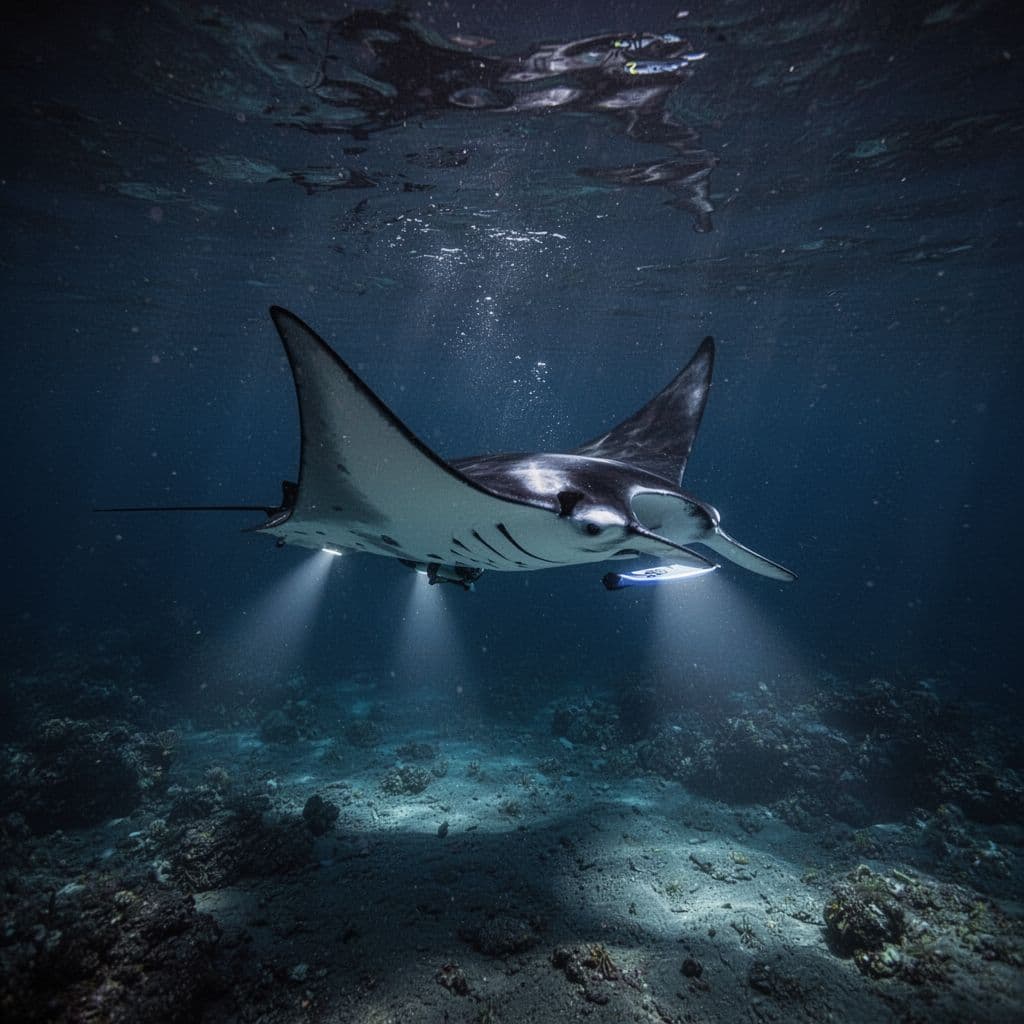
The right operator makes a big difference, especially when you want a slower, steadier experience. Kona Snorkel Trips keeps tours small, uses custom lighted boards for night encounters, and puts safety first. If you want to see the range of options, start with guided Big Island snorkeling tours.
If you already know your asthma is under control, you can also check availability for a manta ray night snorkel before your trip dates fill up.
If you want a manta-focused alternative, Manta Ray Night Snorkel is another Big Island option to compare. When you’re looking at snorkeling Big Island choices, the best fit is the one that gives you clear instructions, a calm pace, and room to speak up if your breathing changes.
Conclusion
You can often join a manta ray night snorkel with asthma if your symptoms are controlled and you prepare well. The real test isn’t the manta rays, it’s whether your breathing is steady enough for a calm, safe night on the water.
If you have active symptoms, recent illness, or any doubt about your limits, don’t push through it. A good ocean night should feel comfortable, not forced.
When your asthma is stable, the right crew and the right conditions can make the experience feel smooth, memorable, and worth waiting for.