
Can You Do Captain Cook Snorkeling After Scuba Diving?
Kona Snorkel Trips gets this question a lot from travelers who want to fit one more ocean session into a packed Big Island day. If you’re thinking about Captain Cook snorkeling after a scuba dive, the short answer is yes, sometimes, but the timing matters more than the activity itself.
The safest version of that plan is surface-only snorkeling after a proper surface interval, with no breath-hold duck dives and no rush. If you’re planning snorkeling Big Island Hawaii style and Kealakekua Bay is on your list, you can make it work when you respect your body and the sea. Captain Cook Snorkeling Tours is another name you’ll see when you focus on that route, and the bay is one of the most popular places to snorkel Big Island visitors talk about.
Can you snorkel after scuba diving?
You can usually snorkel after scuba diving if you wait long enough and keep it gentle. The important part is that snorkeling at the surface is not the same as freediving. When you stay on top of the water and breathe normally, you avoid the extra pressure swings that come with going back down.
That said, the word “snorkeling” can hide a lot. A slow float over a reef is one thing. Repeated duck dives, chasing fish below the surface, or holding your breath for long stretches are a different story. If you did a dive earlier in the day, the second activity should stay easy.
For many people, the real question is whether they are still carrying extra nitrogen after the scuba dive. If you are, your body wants time. If you add another underwater effort too soon, you stack stress on top of stress. That is why a conservative plan is smarter than a hopeful one.
If you’re planning to snorkel Big Island after a morning dive, a relaxed afternoon surface session may be fine. If you’re tired, dehydrated, or not sure how your dive went, skip it. Your reef day will be better when you don’t push it.
The surface interval is the real line you can’t cross
After scuba, your body keeps off-gassing nitrogen for a while. That process doesn’t stop the moment you step on the boat or climb out of the water. It takes time, and the deeper or more repetitive your dive was, the more careful you need to be.
A good way to think about it is this, your surface interval is part of the dive plan, not a waiting room between activities. If you rush into another underwater session, you shorten the recovery time your body needs.
DAN’s surface interval guidance after diving gives a useful conservative baseline. While that page is written for flying, the timing is a helpful reference for any post-dive schedule you want to keep safe.
Use the table below as a simple planning guide.
| Dive situation | Conservative wait before surface snorkeling | Notes |
|---|---|---|
| One no-decompression scuba dive | 12 hours | Safer if you feel fresh and hydrated |
| Multiple dives in one day or on consecutive days | 18 hours | Give yourself extra margin |
| Decompression dive or missed safety stop | 24 hours or more | Skip snorkeling unless a dive pro clears it |
| Any DCS symptom at all | Do not snorkel | Get medical help right away |
That table is conservative on purpose. It gives you room for heat, sun, boat motion, and the fatigue that sneaks up on travel days.
When you should skip the snorkel entirely
Some signs mean you should not try to fit in another ocean session. If any of these show up, your next move is rest, not snorkeling.
- You feel dizzy, numb, weak, or unusually tired.
- You have joint pain that wasn’t there before.
- You notice tingling, confusion, chest pain, or shortness of breath.
- Your dive included a missed safety stop or an unexpected ascent.
- You drank alcohol, got overheated, or spent the morning dehydrated.
If you feel off after a dive, don’t use the snorkel as a test. Rest first.
The ocean will still be there tomorrow, and Kealakekua Bay is worth doing well, not squeezing in half-ready. Even a mild symptom can turn into a bigger problem if you ignore it and jump back in.
This matters even more on vacation, because you may want to do everything at once. That pressure can make a tired body seem fine. It isn’t a good trade.
If your plan includes a flight, a mountain drive, or another dive later in the day, your schedule gets more complicated. The safest choice is usually the least dramatic one, which means waiting longer instead of trying to prove you can handle it.
How long to wait before Captain Cook snorkeling
For Captain Cook snorkeling, the clean answer is simple, wait longer than your ego wants to wait. A single no-decompression dive calls for at least 12 hours before you start thinking about another water session. Multiple dives or several dive days call for 18 hours or more. If you had any decompression obligation, 24 hours is the better floor.
That timeline is not about being cautious for its own sake. It gives your body time to settle after pressure exposure. Kealakekua Bay may feel calm and inviting, but a beautiful site doesn’t cancel the physics of scuba diving.
If you finished a dive in the morning and want to snorkel in the afternoon, ask yourself one thing, are you planning to float on the surface, or are you hoping to kick down and explore? If the answer is anything other than surface-only, wait longer.
The bay itself is a strong reason people choose this route. The water is often clear, the reef is alive with fish, and the setting is one of the best parts of snorkeling Big Island Hawaii. That said, a perfect-looking bay is not a shortcut around post-dive timing.
A good rule is to treat Captain Cook as a next-day snorkel after a dive-heavy day. If the timing feels tight, move the snorkel instead of forcing it. That choice usually leads to a better experience anyway.
What Kealakekua Bay changes, and what it doesn’t
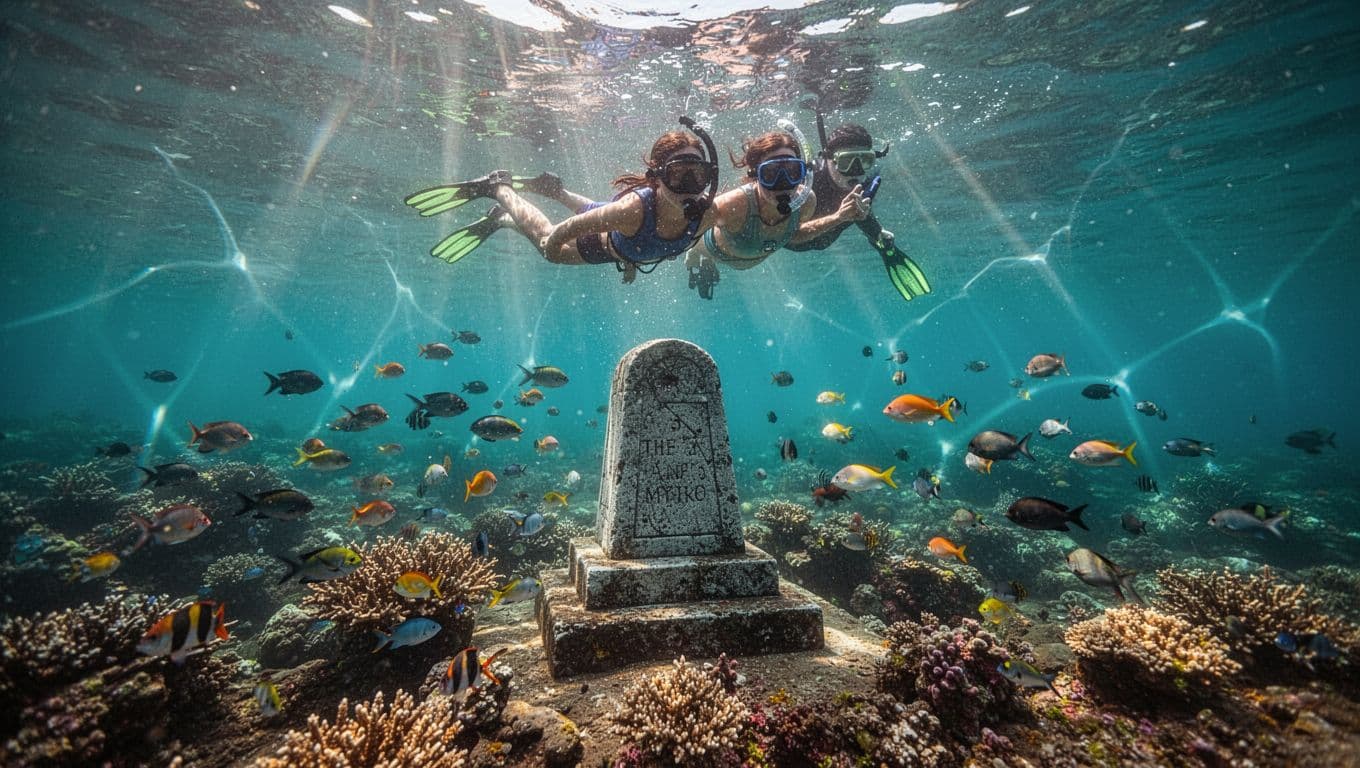
Kealakekua Bay changes the quality of the snorkel, not the decompression rules. The water can be clear, the reef is protected, and the setting feels calm when conditions line up. Those things make it one of the best places to snorkel Big Island visitors rave about.
Still, the ocean decides the tone of the day. Morning water is often smoother. Later in the day, wind can ruffle the surface and make entry or exit more tiring. If you’re already coming off a scuba dive, a choppy surface is not a small detail.
For Hawaii-specific safety guidance, the state’s snorkeling safety page is a good reminder that high surf, strong currents, wind, and shorebreak can turn a pretty spot into a poor choice. Even if you are confident in the water, conditions can change fast.
Kealakekua also rewards patience. You do better when you move slowly, keep your breathing steady, and stay aware of where the boat, reef, and other swimmers are around you. That is especially true after a scuba dive, when fatigue can creep in without warning.
If you are planning snorkeling Big Island Hawaii on the same trip as scuba, choose the easy day for the snorkel. Let the bay be the calm, simple half of the plan.
A safer plan for a day that includes both scuba and snorkeling
If you want to combine both activities, build the day around recovery. A smart plan keeps the water time fun and cuts the odds that you overdo it.
- Do your scuba dive first, then give yourself a real surface interval.
- Hydrate, eat something light, and stay out of the sun for a bit.
- Check how you feel before you choose the snorkel.
- Keep the second session easy, surface-only, and short.
That kind of plan works better than trying to squeeze in every possible ocean minute. It also leaves room for the little things that matter, like energy level, temperature, and how your ears and sinuses feel after diving.
If you’re on a full vacation schedule, try not to stack diving, snorkeling, and long travel on the same tight clock. You might feel fine at lunch and wiped out by late afternoon. A slower pace usually gives you a better day in the water.
It also helps to keep your expectations realistic. Your second ocean session does not need to be your deepest or most active one. If anything, the safest choice is the one where you can relax and watch the reef without fighting your own fatigue.
Why a guided trip makes Captain Cook easier
A guided boat trip removes a lot of guesswork when you already have scuba in your day. Kona Snorkel Trips is built around a small-group, reef-conscious approach, with lifeguard-certified guides and gear that is ready when you are. That matters when you want your second ocean activity to be simple.
If Kealakekua Bay is your goal, Captain Cook Snorkeling Tours is another route worth knowing about. For a closer look at the trip itself, the Captain Cook snorkel tour in Kealakekua Bay is the page to read.
When you book with a guided operator, you spend less time second-guessing the route, the entry, or the conditions. You also get a team that can steer the pace of the day around your comfort level, which is a big deal after scuba.
Conclusion
So, can you do Captain Cook snorkeling after a scuba dive? Yes, if you give yourself enough time, keep the snorkel on the surface, and skip it when your body says no. A proper surface interval matters more than wishful thinking or a tight schedule.
Kealakekua Bay is a great place for a slower, cleaner second session, but it won’t cancel dive physics or bad conditions. If you treat the timing with respect, Captain Cook snorkeling can fit neatly into a Big Island itinerary without turning the day into a risk.