
Bonine Seasick Pills: Your Guide to Nausea-Free Trips
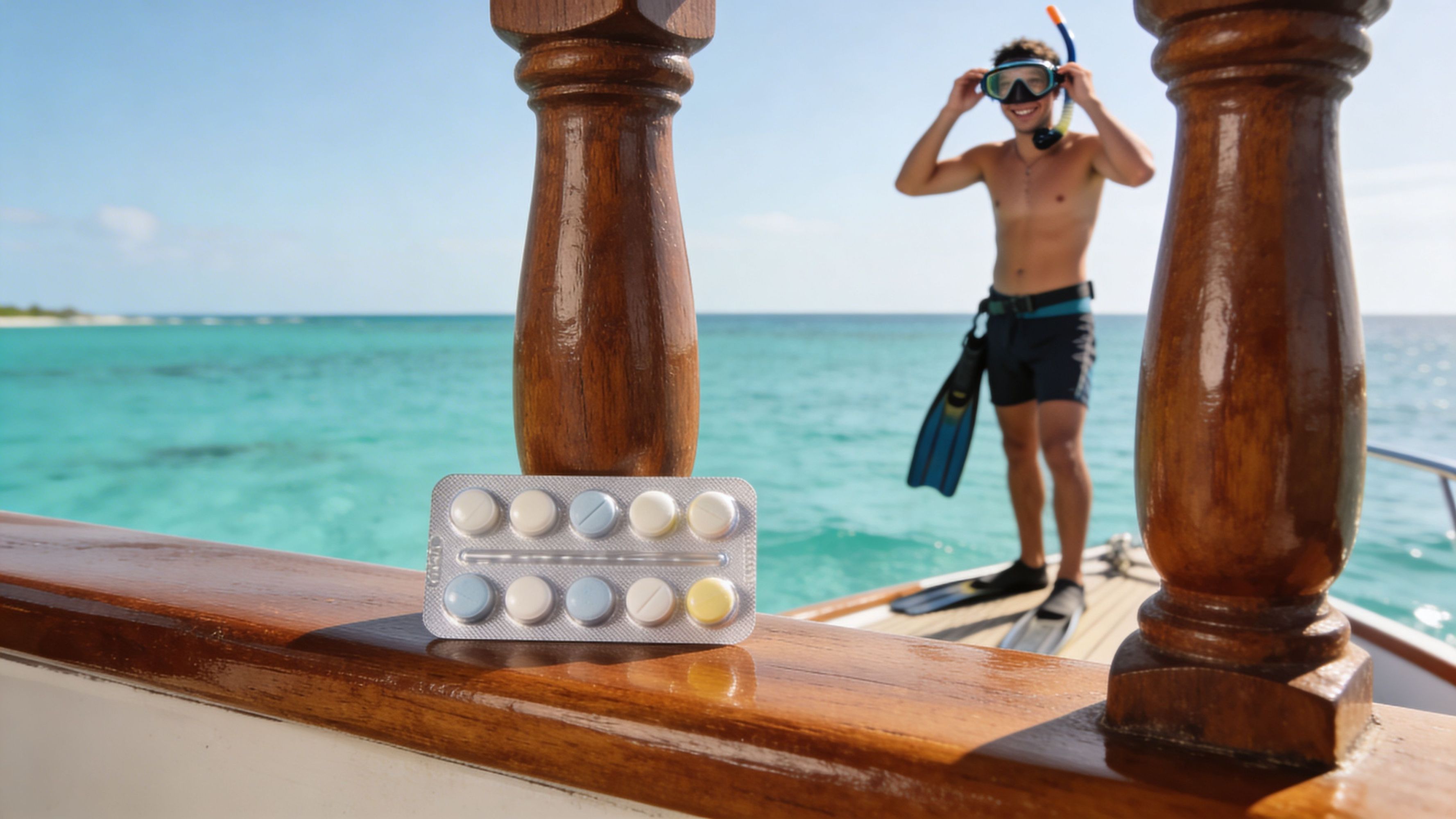
You booked the boat. You picked the snorkel tour. You’re ready for warm water, reef fish, maybe manta rays, maybe a long-awaited day at Captain Cook. Then the worry shows up.
What if the boat ride gets you before you even get in the water?
That concern is common, especially for first-time snorkelers, kids riding along with family, and travelers who do fine on land but feel off the minute a boat starts rocking. Bonine seasick pills are one of the most practical over-the-counter options for that exact problem, especially if you want prevention that lasts through the outing without needing constant redosing.
Don't Let Seasickness Spoil Your Kona Adventure
You step onto the boat feeling excited, then the harbor drops behind you, the swell picks up, and suddenly part of your attention is on your stomach instead of the reef ahead. I see that a lot on Kona trips, especially with guests who are perfectly fine on land and surprised by how different open water feels.
The mistake is usually timing. People wait to see whether they need help, but motion sickness is much easier to prevent than to settle down once the ride is underway.
If you want a practical pre-trip checklist, our guide on how to avoid seasickness on a boat is a useful companion read.
For snorkeling, that early prep matters even more. You are not just sitting on a catamaran with a drink in hand. You are fitting a mask, breathing through a snorkel, managing fins, watching your footing on a ladder, and adjusting to water movement once you get in. If your stomach is already off, all of that feels harder.
Bonine is often part of a smart plan because it is meant for prevention. Used correctly, it can help you stay comfortable enough to focus on the part of the trip you came for.
The smoothest snorkel days usually start on land, with the right prep done early.
The good news is seasickness on a snorkel trip is usually manageable with a little planning and realistic expectations. Get ahead of it, and your energy can stay on the coral, the fish, and the swim instead of the ride out.
Why Bonine Is a Go-To for Smart Snorkelers

Bonine works well for snorkel trips because it fits the job. You need something that helps settle motion sickness without leaving you so foggy that mask prep, ladder entries, fin kicks, and surface swims feel clumsy.
It fits an active day better than many people expect
A Kona snorkel morning has a specific rhythm. You board, find your seat, listen to the safety briefing, set up your mask, and then switch quickly from riding swell to moving in the water. Bonine suits that kind of day because the standard chewable is made for motion sickness prevention and is simple to take before the boat leaves.
That simplicity matters on trips.
Nobody wants to sort out a second dose while the boat is rocking and the crew is calling snorkelers to the swim step. a once-a-day option is easier to plan around, especially if you are already juggling reef-safe sunscreen, defog, fins, and a camera.
The drowsiness trade-off is usually manageable
Bonine is popular in part because many travelers find it less sedating than some other motion-sickness medicines. For snorkelers, that is a practical advantage, not a marketing detail. Clearer focus helps when you are equalizing, checking your mask seal, stepping down a boat ladder, or turning to watch a wave set before you climb back aboard.
It can still make some people sleepy. That is the trade-off to respect.
If you have never taken it before, do not assume you will feel exactly like your friend or spouse. Test it on land on a low-stakes day if you can. That one habit avoids a lot of guesswork.
It matches snorkel-specific needs that generic travel advice misses
Snorkeling adds a few challenges that airplane and road-trip advice usually skips. A queasy snorkeler often breathes too fast through the snorkel, fidgets with the mask, and gets frustrated once water movement starts. Bonine can help by reducing the motion-sickness spiral before those small problems pile up.
I have seen this many times on boats in Kona. Guests who start the morning comfortable usually move better in the water, conserve energy, and enjoy longer snorkel time. Guests who start off green often burn energy just trying to feel normal.
If you want a side-by-side comparison before you choose, this guide to sea sickness pills for boat trips and snorkeling is a useful place to start. For a diver-focused perspective, Bonine Seasick Pills: A Diver's Essential Guide covers many of the same practical considerations.
Standard Bonine is usually the best starting point
Bonine also comes in a stronger Max version. Some travelers look at that and assume stronger is automatically better. On a snorkel trip, that is not always the smartest first move. Standard Bonine is often enough for a basic boat day, and starting there gives you a better sense of how your body responds.
The goal is steady comfort and good function once you reach the reef.
That is why experienced snorkelers keep coming back to Bonine. It offers a useful middle ground between symptom control and staying capable on deck and in the water.
The Right Way to Use Bonine for Your Snorkel Trip
You are geared up, the boat is leaving Honokohau, and the ocean still looks calm. Then the ride out gets bouncy, your stomach turns, and now you are trying to clear a mask and breathe through a snorkel while feeling off. Bonine works best before that spiral starts.

Take it early enough to matter
For active snorkel trips, timing is the whole play. Take Bonine about an hour before boarding, not once you are standing at the dock wondering if you should have planned ahead.
That earlier timing matters even more for snorkelers than for passengers who plan to sit and sightsee. If seasickness starts building during the ride out, people often breathe too fast through the snorkel, fuss with their mask, and feel less steady once they are face-down in the water. Starting ahead of time gives you a much better shot at entering the water calm and functional.
Chew the tablet fully
Bonine is a chewable, and treating it like a regular swallowed pill can slow things down. Chew it completely.
That sounds minor, but boat mornings are full of little decisions that affect the first hour of your trip. I have seen guests do everything right except this, then wonder why they still felt rough on the way to the reef.
Use the standard dose with a clear head about trade-offs
For adults and children 12 and over, the standard label directions are 1 to 2 tablets, taken about an hour before travel. Stay within the label limits for the day, and read the package you bought because products and strengths can vary.
Standard Bonine is usually the better starting point for a snorkel day. The goal is not just reducing nausea. The goal is feeling steady enough to climb a boat ladder, listen to the safety briefing, clear your snorkel, and enjoy the reef without feeling slowed down.
If you want a diver-focused perspective on the same medication, Bonine Seasick Pills: A Diver's Essential Guide is worth reading.
Dosing at a glance
| Group | Dosage (Standard 25mg Tablet) | When to Take |
|---|---|---|
| Adults | 1 to 2 tablets | 1 hour before travel |
| Children 12 years and over | 1 to 2 tablets | 1 hour before travel |
Check the label first if any of these apply
Bonine is over the counter, but it still deserves the same respect as any other motion-sickness medicine. Read the label carefully and check with a medical professional first if you have glaucoma, prostate issues, or you already use other medicines that can make you drowsy.
That last point matters on snorkel boats. Even mild sleepiness can feel more noticeable once you are balancing on a swim step or getting your fins on in moving water.
Mistakes that ruin an otherwise good plan
A few patterns come up again and again:
- Taking it at the dock: You may still feel behind the medicine during the roughest part of the ride.
- Swallowing the chewable whole: Onset may be slower than you expected.
- Stacking remedies without checking ingredients: Overlapping sedating products can leave you sluggish.
- Trying a new routine for the first time on trip morning: If you know you are sensitive, test your plan ahead of a big ocean day.
If you are comparing options, this guide to Dramamine seasick tablets for boat trips and snorkeling helps explain where each one fits.
The best Bonine routine is simple. Take it early, chew it fully, and give yourself the best chance to feel normal before the boat starts moving.
Pro Tips for a Smooth Day on the Water
You took Bonine before the trip, the boat leaves the harbor, and now the part generic cruise advice misses starts to matter. Snorkeling asks more of you than sitting in a seat. You need a clear mask, a calm breathing rhythm, steady kicks, and enough focus to enjoy the reef instead of managing little comfort problems all morning.
Manage dry mouth before it affects your mask time
One issue we often see on our trips is dry mouth. It sounds minor on land. In a mask and snorkel, it gets annoying fast. Your mouth can feel sticky, you may breathe less comfortably through the snorkel, and some guests fiddle with their mask more than they need to because they never quite settle in.
Start hydrating early, not once you are already on the boat. A few steady sips of water through the morning works better than chugging a bottle at the dock. If you drank alcohol the night before, spent a long time in the sun, or flew in recently, give yourself extra margin because you may start the day drier than you think.
Ease into the water like you plan to stay awhile
The first few minutes set the tone. Guests who rush their gear, drop in quickly, and start kicking hard right away are more likely to feel off, even if the medicine is doing its job.
A better approach is simple. Sit down while you get your fins on. Let your breathing slow before you enter. Once you are in, float for a moment, put your face in the water, and take a few easy snorkel breaths before you start swimming. That short reset helps your body match what your eyes, inner ear, and breathing are all telling it.
If you feel a little unsettled, do less for a minute.
Hold the float if one is available, look toward the horizon, and let your breathing return to a steady rhythm before you continue.
Use boat position and body position to your advantage
Where you sit and what you look at still matters on a snorkel boat, especially on the run out to the reef.
- Stay in fresh air when possible: Enclosed cabin space can feel worse if you are already sensitive.
- Face forward or look at the horizon: A stable visual reference helps many people settle faster.
- Keep your head movements deliberate: Fast up-and-down scanning can make you feel more disoriented before you even hit the water.
- Choose a light pre-trip meal: An overfull stomach and active snorkeling are a rough combination.
- Save the celebratory drink for after the tour: Alcohol, dehydration, and motion do not work well together.
For a broader pre-trip refresher, our guide on how to avoid sea sickness on a snorkel tour covers the bigger picture.
Pack for comfort, not just for sun
The guests who have the smoothest mornings usually bring a small, well-chosen kit. Water, a light snack, reef-safe sun protection, and a dry bag go a long way. If you know you are motion-sensitive, bring the remedy plan you trust and keep it easy to reach, not buried under towels and spare clothes.
Travelers who want help mastering your beach packing list can use that checklist to cover the basics.
Bonine works best as part of a full plan. Good hydration, calm entries, smart seating on the boat, and a simple gear setup make the medicine more useful once snorkeling begins.
Other Popular Seasickness Remedies to Consider
Bonine is a strong option, but it is not the only one people use. Some travelers want a medicine backup. Others prefer drug-free tools or like combining a primary remedy with a gentler secondary one.

Bonine and the tropical-vacation factor
One useful detail from Bonine’s FAQ context is that Bonine can be taken with or without food, but overeating before a tour can make nausea worse. The same verified material notes that heat and humidity can make dry mouth feel more noticeable on a multi-hour snorkel (Bonine FAQs context).
That means the best remedy is not always just a pill choice. It is often the combination of medication, meal choice, hydration, and self-awareness.
Quick comparison of common options
Bonine pills
If you want the standard meclizine option discussed throughout this article, Bonine pills are the obvious reference point. They fit travelers who want chewable, once-daily-style prevention.Dramamine pills
Dramamine pills are popular and familiar. The practical trade-off, as Bonine’s labeling highlights elsewhere, is that many people find Dramamine more sedating.Ship-EEZ Seasickness Patch
The Ship-EEZ Seasickness Patch appeals to travelers who want a patch-style option rather than a chewable tablet. It can be a reasonable choice for people who dislike pills.Sea Band wristbands
Sea Band wristbands are a non-drug option. They are often chosen by people who want a low-commitment, reusable tool or want something they can pair with another remedy.Ginger chews
Ginger chews are easy to carry and easy to use. They are especially handy for travelers who want a natural-feeling backup in their pocket or dry bag.
How I’d think about the choice
Pick your main strategy first. Then decide whether you want a backup.
For a lot of active snorkelers, Bonine is the main plan because it is designed for prevention and fits a full outing well. Wristbands or ginger can make sense as add-ons for reassurance. Dramamine can still be the right call for some people, but many prefer Bonine when they want to stay more functional.
If you want a broader look at non-medication approaches, this guide to herbal seasickness remedies is a solid next read.
The worst strategy is random mixing on the morning of your trip. Decide ahead of time what your primary remedy is and how you plan to use it.
Your Seasickness-Free Snorkel Adventure Awaits
Seasickness can feel bigger in your head than it usually becomes in real life. Most of the time, people do best when they make a calm plan and follow it early.
Bonine seasick pills make sense for that plan because they are built around prevention, practical dosing, and a format that fits an active day on the water. The biggest wins come from doing the basics well. Take it on time. Chew it properly. Hydrate. Keep your pre-boat meal light. Give yourself fresh air and a horizon to look at if the water gets bouncy.

A short checklist works well:
- Before the trip: Take Bonine early enough to let it work.
- On the way out: Stay in fresh air and avoid heavy, greasy food.
- Before getting in: Pause, settle your breathing, and enter the water calmly.
- During the snorkel: Pay attention to comfort, not pride. If you need a reset, take one.
That is a valuable insider tip. People who have the best time are rarely the ones who try to tough it out blindly. They are the ones who prepare well and adjust early.
You do not need to let motion sickness call the shots for your vacation. With a thoughtful plan, you can spend your energy watching reef life, enjoying clear water, and making the kind of memories that brought you to Kona in the first place.
Ready to put this into practice on the water? Kona Snorkel Trips offers memorable Big Island snorkeling adventures with an experienced crew, and it’s a great place to turn good planning into a great day offshore.