
Boat vs. Shore: Your Kona Manta Ray Snorkel Guide
You float in the dark Pacific waters off Kona. A massive manta ray somersaults below you, its wings spanning wider than your arms stretched out. This Kona manta ray snorkel moment ranks high on any Big Island bucket list.
Yet you face a choice. Do you hop on a boat for guided lights and higher odds? Or wade in from shore for a quieter vibe? Both deliver magic in snorkeling Big Island Hawaii. Kona Snorkel Trips leads the way with small groups and top safety.
Their “Reef to Rays” focus sets them apart. Lifeguard-certified guides provide gear and care for reefs. You get personalized trips from Honokohau Marina.
Why Kona Manta Rays Captivate Snorkelers
Kona hosts the world’s best manta ray encounters. These gentle giants feed on plankton at night. Lights draw the tiny critters, and mantas follow.
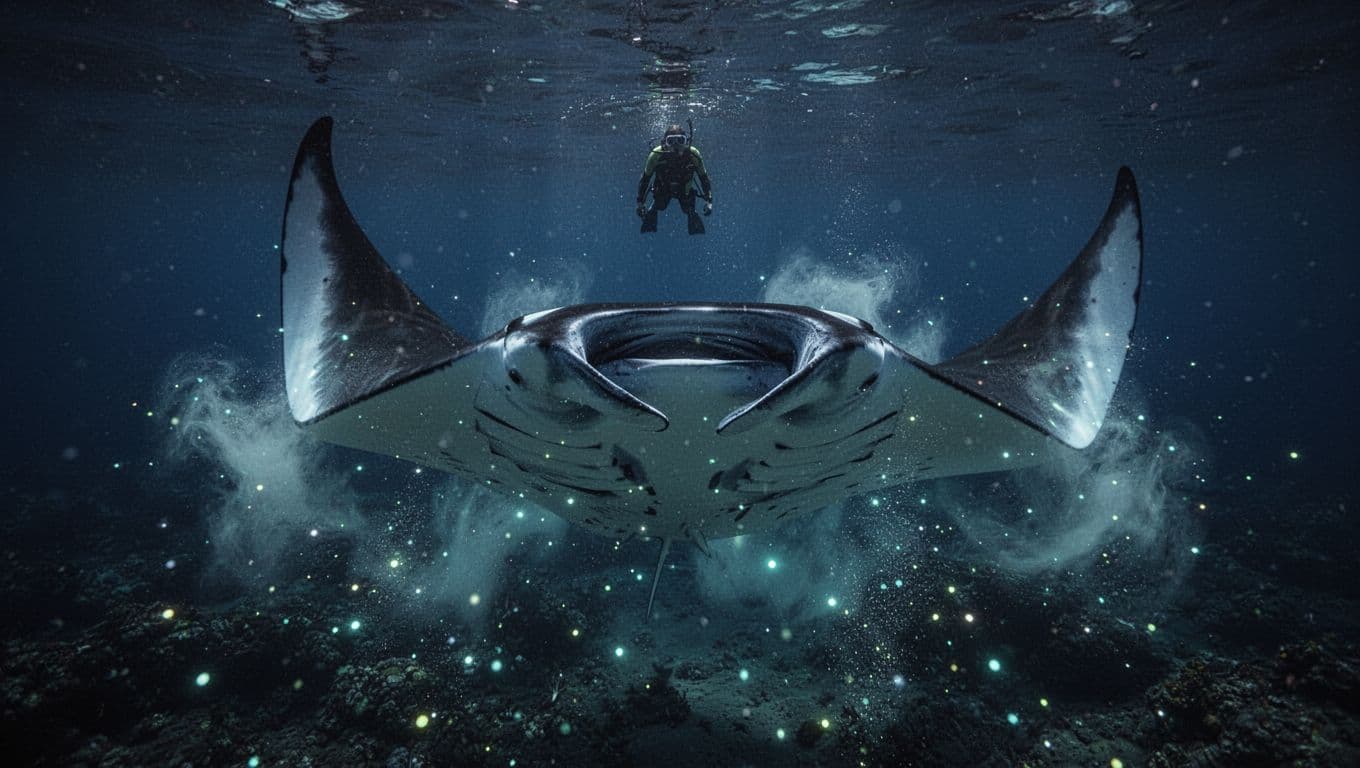
You might spot 5 to 20 rays per session. They barrel-roll inches from your mask. No stings worry you; mantas ignore humans.
Snorkel Big Island spots like this beat most dives. Clear waters and volcanic reefs add tropical fish too. Families, couples, and solo adventurers all love it.
Success rates hit 90% or more. Yet boat or shore changes your view. Boat takes you to deep sites. Shore keeps it simple from beach access.
Boat Tours Deliver Reliable Manta Magic
Boat tours shine for Kona manta ray snorkel. Guides motor to prime spots like Manta Village or Manta Heaven. Underwater lights attract plankton fast.
You snorkel 45 minutes to over an hour. Small groups mean less chaos. Kona Snorkel Trips offers 2- or 3-hour trips, including seasonal whale watches.
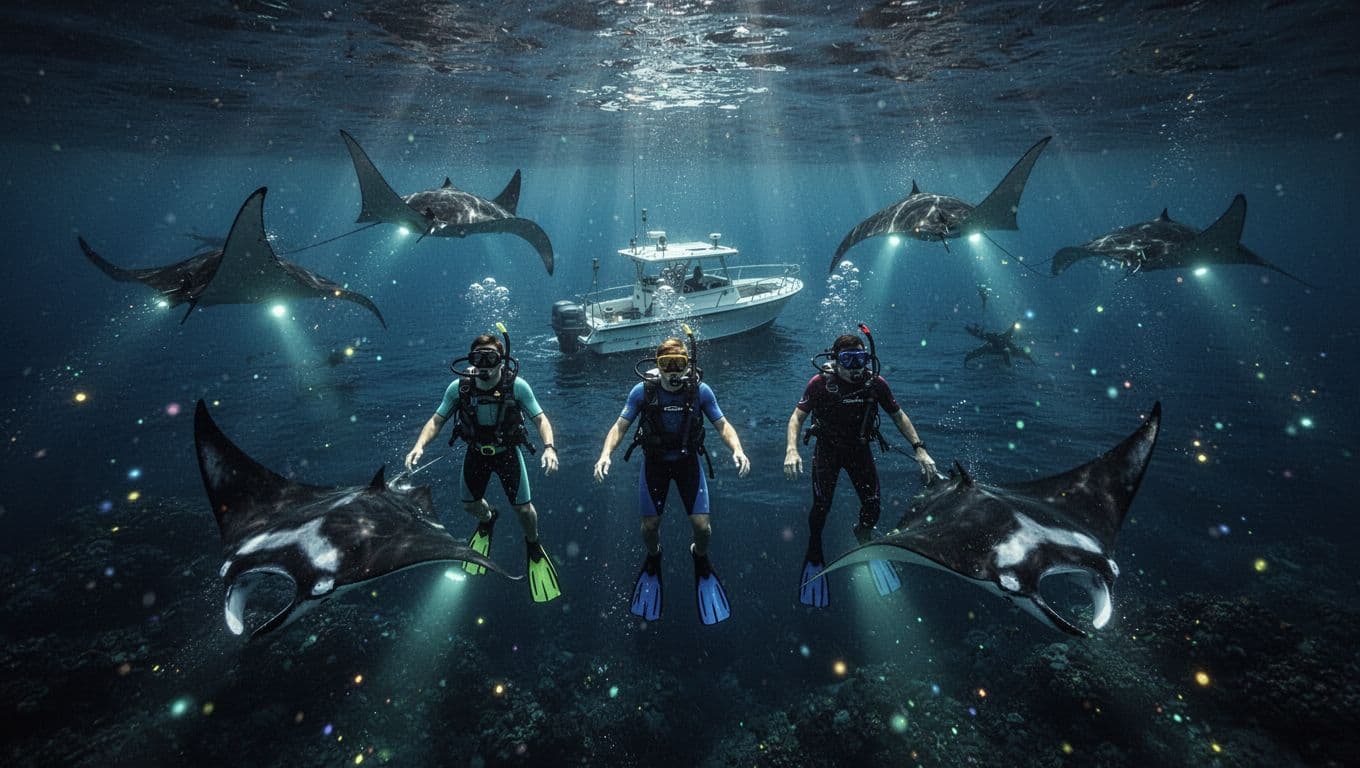
Pros include high sightings and gear like wetsuits. Guides share facts on reefs. You avoid crowds better than shore sometimes.
Kona Snorkel Trips stands out. Their Kona manta ray night snorkel tour uses custom boards for easy floating. Passionate crews prioritize safety and eco-practices.
Manta Ray Night Snorkel Hawaii follows close. Check their comparison guide for more tips.
Shore Snorkeling Offers Intimate Encounters
Shore entries suit calm nights and budget minds. You gear up at beach spots like Manta Point. Walk in, snorkel where rays feed near rocks.
Fewer people mean peaceful swims. Success dips to 70-80% without boat lights. Yet you control your pace.
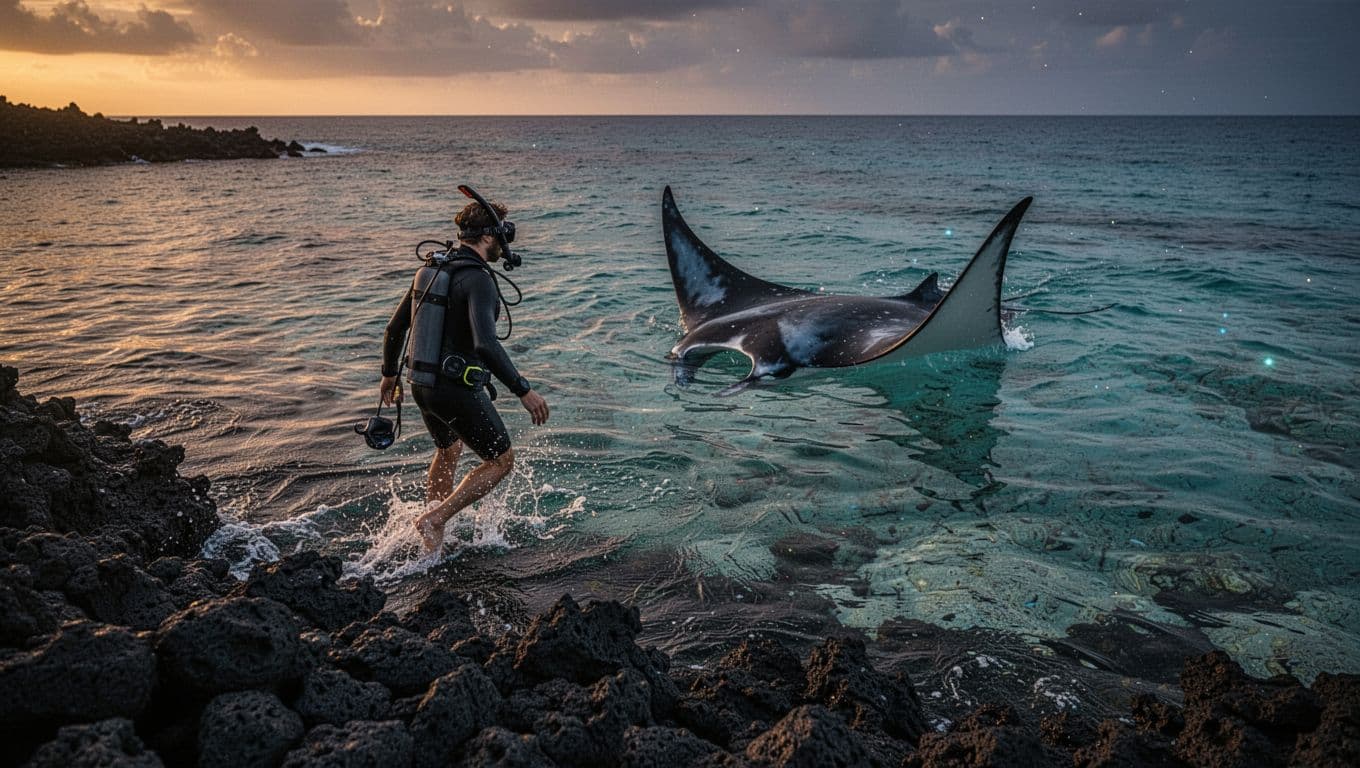
Bring your own mask and reef-safe sunscreen. Guides at sites like Manta Point help newbies. Tides matter; check apps first.
In April 2026, calm conditions favor shore. Manta Village stays busiest, but Point offers solitude.
Boat vs. Shore: Side-by-Side Breakdown
Pick based on your style. Boats win for ease; shore for adventure.
| Feature | Boat Tours | Shore Snorkeling |
|---|---|---|
| Success Rate | 90-95% | 70-90% |
| Crowd Level | Small groups (6-20) | Varies, often fewer |
| Gear Provided | Yes, full sets | Bring your own |
| Guide Support | Always | Optional |
| Cost | $149+ | Free-$50 (gear rental) |
| Best For | Families, beginners | Experienced, solos |
Boats edge out for reliability. Shore saves cash but needs swimming skills.
For deeper insights, see this Big Island diving comparison.
Top Spots and April 2026 Conditions
Three key sites rule snorkeling Big Island. Manta Village south of Kona boasts 95% sightings but packs crowds. Manta Heaven north near the airport hits 90%, with groups of rays.
Manta Point on Kohala Coast stays quietest. Perfect if you hate lines.
April brings mild swells and warm water around 78°F. Night plankton blooms peak. Boat tours from Honokohau run smooth.
Tips to Maximize Your Experience
Book boats early; spots fill. Practice swimming 50 yards. Wetsuits help in evenings.
Reef-safe sunscreen protects corals. Guides teach etiquette.
Kona Snorkel Trips combines snorkeling Big Island Hawaii with mantas best. Their private options fit couples or families.
That first manta glide sticks with you forever. Boat gives guarantees; shore builds self-reliance. Choose what fits your trip, then dive in. Kona’s rays wait.