
Big Island Snorkeling After a Big Surf Week
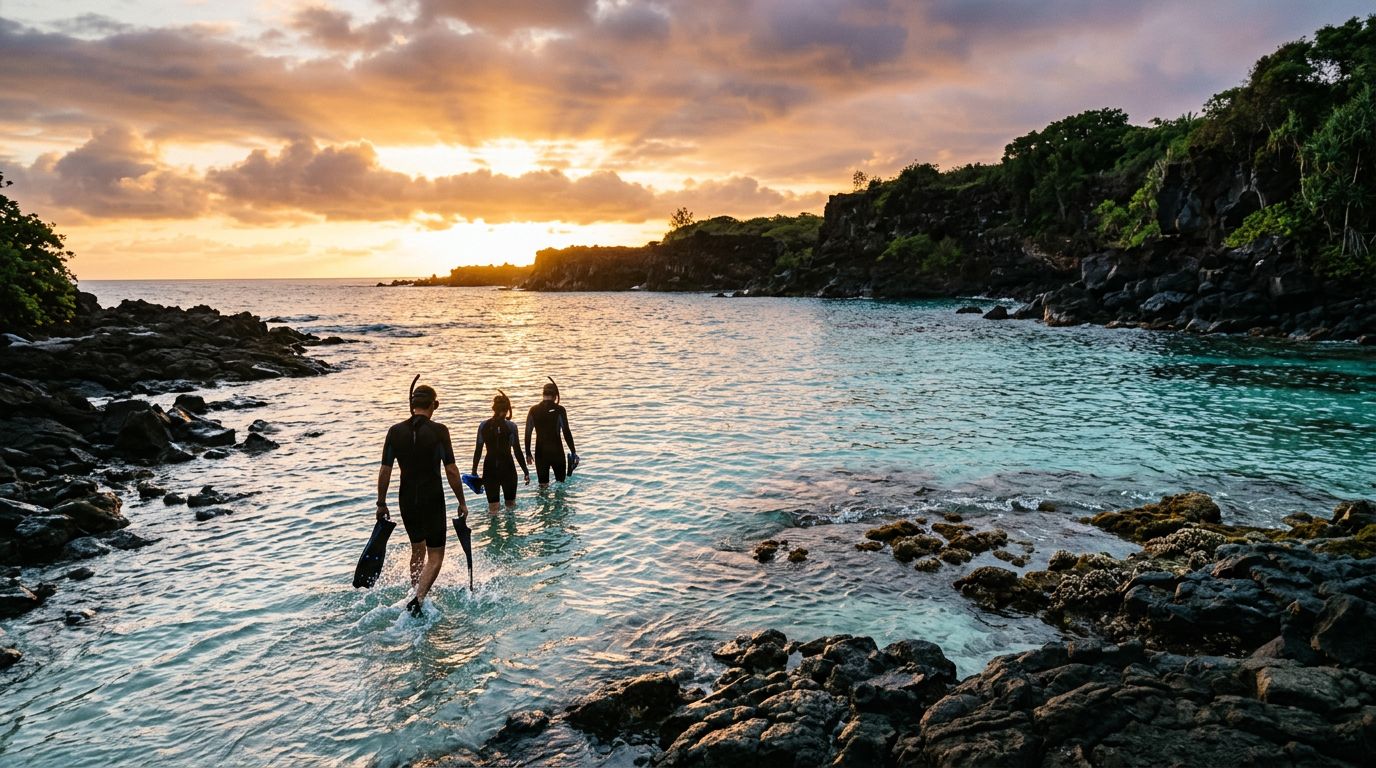
Snorkeling Big Island Hawaii gets tricky fast after a big surf week. A beach that looked calm at dawn can turn choppy, cloudy, and hard to enter by mid-morning.
That is why Big Island snorkeling is less about finding any beach and more about reading the water in front of you. If you want to snorkel Big Island reefs without wasting time on bad entries, a little planning pays off.
Kona Snorkel Trips is a smart place to start when you want small-group guidance and a route chosen around the day’s conditions. The best days still begin with the water, not with wishful thinking.
Key Takeaways
- After a big surf week, protected bays usually beat exposed shoreline entries.
- Murky water, surge, and moving sand matter as much as the forecast.
- Guided boat trips often give you cleaner water and easier access.
- Kealakekua Bay, private charters, and other sheltered options are strong backup plans.
- If the coast still looks rough, choose another ocean activity instead of forcing a bad entry.
What a big surf week does to the Kona coast
A big swell does more than raise the waves. It stirs sand, pushes surge into reef edges, and changes how easy it is to get in and out. Even on the Kona side, which is usually more sheltered than the north and west shores, a strong week can leave you with choppy water at the wrong beach and near-glassy water at the right one.
That is why a beach that looked fine two days earlier can feel different today. Entry points collect foam, small channels close out, and the water can go cloudy where sand has been dragged back and forth. If you want a useful reality check, local surf guidance helps. The same warning signs show up again and again, and they are easy to miss if you only look at the sky. A useful example is Waimea Bay snorkeling conditions, where shorebreak, flags, and entry quality matter more than optimism.
Clear water isn’t the only green light. Stable entry water matters more than a pretty forecast.
A surf report tells you what happened offshore. The entry tells you what happens to your fins.
How to read the water before you go in
Start with the entry zone, not the reef you hope to see. If waves are breaking in the shallows before you reach knee depth, the water is already asking for trouble. After a big surf week, the most dangerous part of a snorkel is often the short stretch between dry sand and floating water.
Look for foam lines that slide sideways, because they often point to current. Watch for water that seems to breathe in and out across the rocks, because surge can pin you against sharp edges or pull you forward when you are trying to step back. Muddied water is another warning. Sand can hang in the water column longer than you expect, which makes fish harder to spot and the bottom harder to judge.
Good snorkeling Big Island plans begin with the calmest access point, not the closest parking stall. If you would not comfortably wade in while holding a cup of coffee, the entry is probably too messy. That sounds simple, but a lot of bad decisions start when a beach looks prettier from the road than it feels at the shoreline.
The safest move is usually boring. Check the entry, stand there for a minute, and watch other people move through it. If they are timing their exits like a race, you already have your answer.
Where to snorkel after the swell settles
Protected water is the goal. That usually means bays, coves, and boat-access reefs that sit out of the direct swell path. On the Kona coast, those spots can still be busy, but they are often far friendlier than exposed shoreline entries after a rough week.
That is the heart of snorkeling Big Island after a swell, pick the sheltered water first, the famous name second. The island gives you options, and the smart choice is usually the one with calmer entry, clearer visibility, and less surge at your ankles.
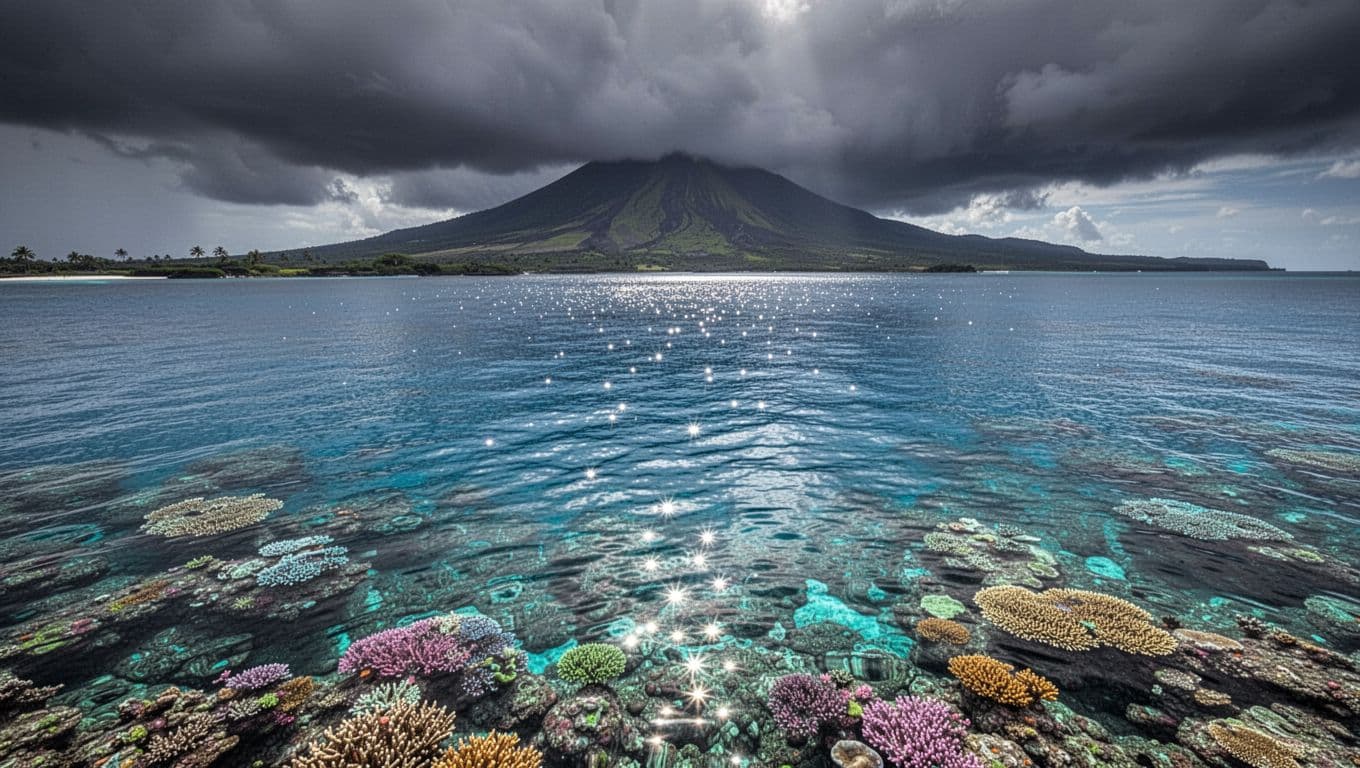
If you want a broader starting point, the main Big Island snorkeling tours page gives you a sense of how many different conditions a single island can offer. Some days favor an easy morning reef. Other days favor a boat that can move a few miles to find calmer water.
The big rule is simple. You are not chasing the prettiest photo. You are choosing the place where the water stays stable long enough for you to relax and watch fish instead of watching the surf line.
When guided tours are the smarter move
A guided boat trip removes a lot of guesswork. Kona Snorkel Trips keeps the group size smaller, the gear well prepared, and the decision-making tied to the day’s water. The guides are Lifeguard Certified, the setup is reef-aware, and the departure from Honokohau Marina keeps the process simple.
That matters most after a big surf week, when the difference between a good snorkel and a frustrating one can come down to entry choice. You want someone who knows where the coast is holding up and where the surge is still active. You also want gear that fits well, because a sloppy mask or a loose fin becomes a bigger problem when the water has extra motion.
Kona Snorkel Trips is built around that kind of day. The approach is small-group, practical, and focused on the water conditions in front of you.
If you want to compare dates, you can check availability.
Recent guests usually care less about marketing language and more about comfort, guidance, and whether the crew reads the water well. On a week like this, that is the whole game.
Captain Cook, private charters, and other calm-water options
Kealakekua Bay usually handles a rough week better than exposed shoreline spots. The bay is sheltered, the water often clears faster, and the reef edge gives you a more predictable entry. If that is the kind of morning you want, snorkeling in Kealakekua Bay is one of the strongest picks on the island.
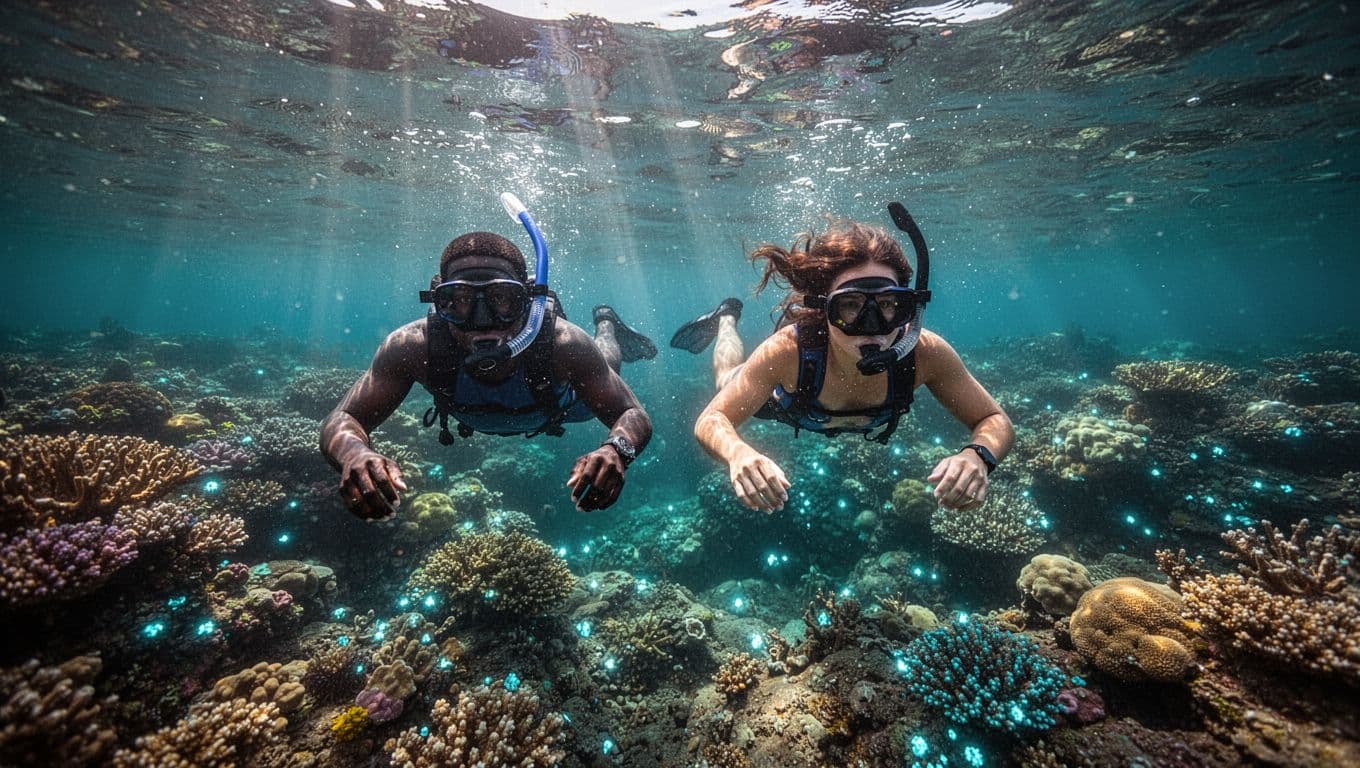
For a dedicated look at the route and timing, Captain Cook Snorkeling Tours gives you a focused place to compare Kealakekua Bay options. You can also book the trip directly when you are ready.
For more flexibility, private Kona boat charters let you move with the water instead of fighting it. That matters on the day after a swell, when a few extra minutes of ride time can mean the difference between rough water and a calm cove. Families like that flexibility. Couples do too. So do groups with mixed swimming comfort.
If the shoreline still looks messy, a private trip can feel like a reset button. The boat leaves on your schedule, the route can shift, and the day stops being a gamble.
When the ocean still looks off, choose another plan
Sometimes the right move is to skip the daytime snorkel and keep the ocean time another way. A manta ray night snorkel in Kona is a strong alternative when daytime conditions are still unsettled, because the experience does not depend on a surf-softened shoreline. Kona Snorkel Trips uses custom-built lighted boards for that trip, so you stay in place while the mantas come to you.
If you are visiting in winter and want to stay on the water without dealing with an entry zone at all, whale watching Kona tours give you another clean option. Humpbacks are a different kind of ocean day, and they fit the kind of afternoon when snorkeling would feel like too much effort.
The ocean doesn’t owe you a calm entry because your vacation calendar says snorkel day.
That kind of backup plan keeps the trip feeling easy, even when the surf has other ideas.