
Big Island Manta Ray Night Snorkel Visibility Guide by Season
If you’re planning a kona manta ray snorkel, visibility matters more than you might think. Clear water makes the mantas easier to spot, and it also makes the swim feel calmer.
Kona Snorkel Trips is a smart starting point when you want a guided night snorkel on the Big Island. If you’re comparing options, Manta Ray Night Snorkel Hawaii is a helpful second look, especially when you’re weighing comfort, timing, and visibility.
Best visibility windows for manta snorkeling
For snorkeling Big Island Hawaii, the clearest water usually shows up in late spring through early fall. Winds are often lighter, the ocean surface stays smoother, and less stirred-up water reaches the snorkel site.
That does not mean every summer night is perfect. It means your odds of a sharp view are better, and the ride out often feels easier too.
| Season | Typical water feel | What it means for you |
|---|---|---|
| Late spring to early fall | Calmer seas, lighter chop | Better viewing and a more relaxed surface swim |
| Shoulder months | Mixed conditions | Good nights still happen, but forecasts matter more |
| Winter | More swell and shifting water | Visibility can drop, yet calm breaks still happen |
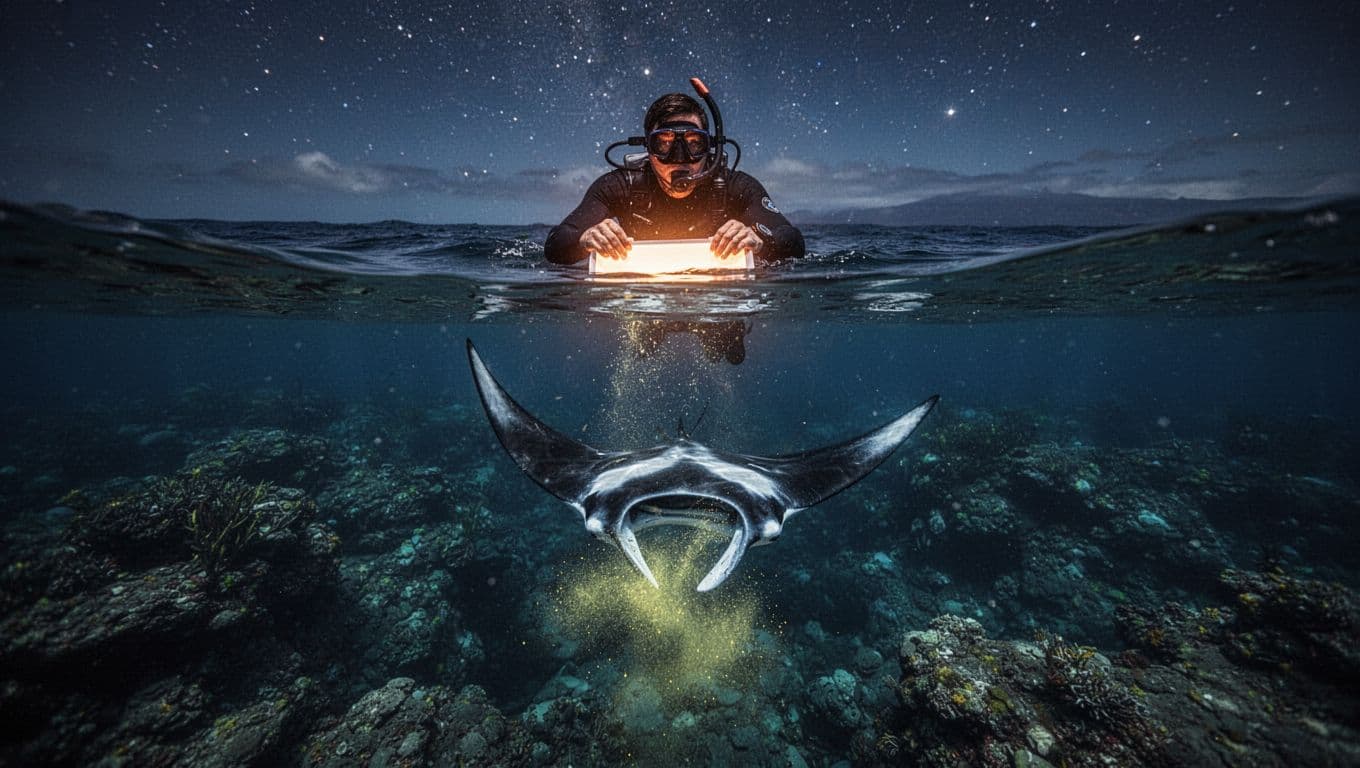
A simple way to think about it is this, calmer water gives you a cleaner window into the night.
The clearest night isn’t always the calmest season, but it usually starts with calm water.
If you’re trying to snorkel Big Island with the best odds, late spring, summer, and early fall give you the most forgiving conditions.
What winter does to water clarity
Winter on the Kona coast can still deliver a strong manta night, but it asks more of you. Larger swells can stir up sand and plankton, so the water may look softer and less crisp.
You may also notice more surface movement. That does not cancel the experience. It just changes how far you can see and how steady the swim feels.
For some travelers, winter is still the right call. You may find fewer crowds, and the ocean can surprise you with a calm stretch between fronts. Still, if you want the cleanest view possible, winter should be a flexible choice, not your most rigid one.
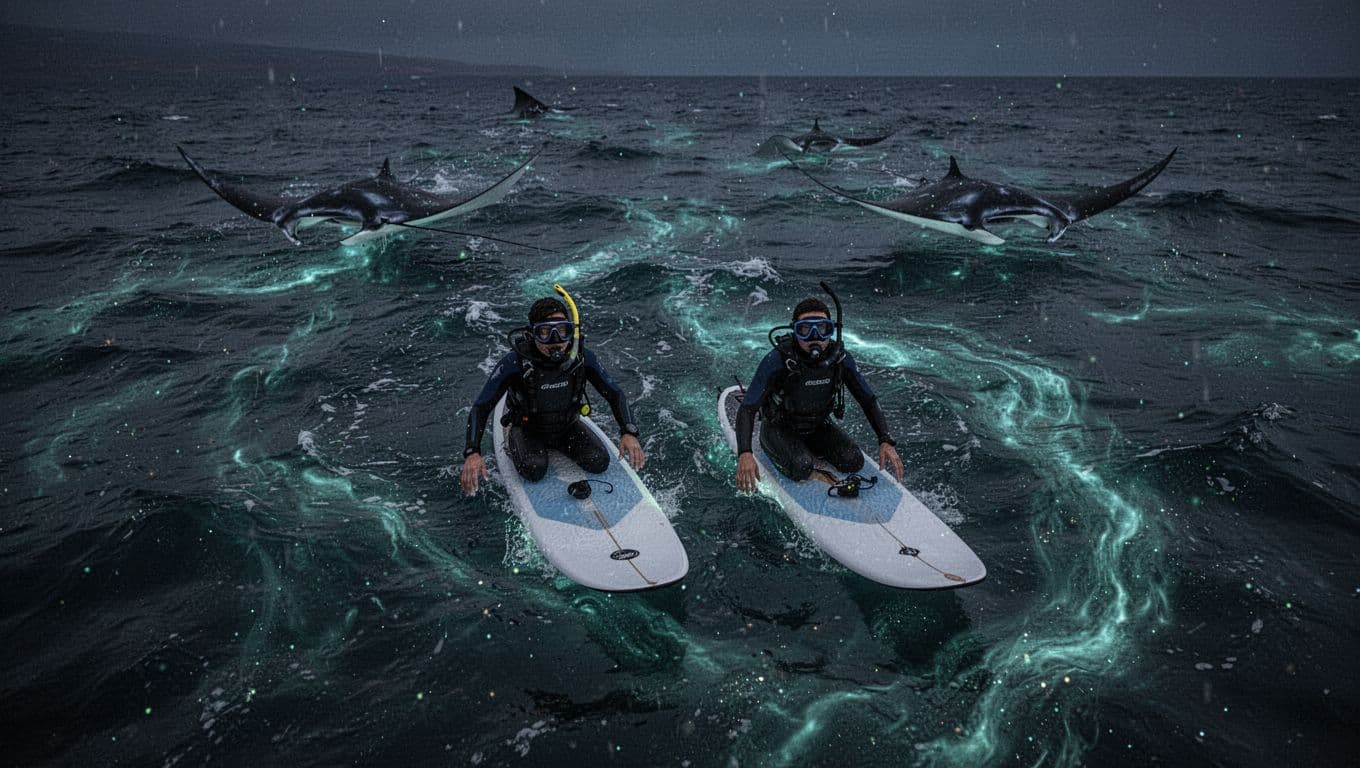
When you snorkeling Big Island in winter, keep your expectations realistic. You can still have a great night, but the water often rewards patience more than certainty.
Moon phase, wind, and rain still shape the view
Season is only part of the story. Moon phase can matter just as much because darker skies help the plankton-lit water stand out. That is one reason new-moon nights often feel better than bright full-moon evenings.
Wind matters too. A breezy afternoon can leave the surface textured and cloudy at night. Rain can also wash fine debris into the water, which lowers clarity for a while.
If you want a month-by-month look at timing, this Kona manta timing guide gives you another useful angle on moon phases and calmer windows. It lines up well with what you see offshore, especially when you’re comparing dates.
In other words, the season gives you the backdrop, but the local conditions decide the final picture.
Choosing the right manta tour for your dates
Kona Snorkel Trips is a strong fit when you want a small-group trip with careful attention to comfort and safety. That matters when you’re trying to read the water instead of fighting a crowd.
If you want a focused option, start with Manta Ray Snorkel Kona. It keeps the trip centered on the night manta experience and makes the booking path easy.
If your dates are flexible, book the calmest window you can find, then compare it with the moon and swell. That simple step helps you get the most out of any kona manta ray snorkel.
Conclusion
When you look at manta snorkeling by season, one pattern stands out fast. Calmer months usually give you clearer water, and that makes the whole experience easier to enjoy.
Winter can still work, especially when the forecast lines up. Even so, if you want the cleanest view for your snorkel Big Island plans, start with late spring through early fall and then check the moon and swell before you book.
A good night on the water usually starts long before you jump in. It starts with the right season, the right conditions, and a clear read on the forecast.