
Best Time of Year for Manta Ray Night Snorkel in Kona
You float in dark Kona waters just after sunset. Giant manta rays glide close, their wings lit by plankton glow. This manta ray night snorkel Kona moment tops many Big Island bucket lists.
Yet timing makes or breaks it. Rough seas or poor visibility can dim the magic. You want calm nights with high manta sightings.
Kona Snorkel Trips leads the way here. This top outfit follows a “Reef to Rays” approach. They set the standard for snorkeling Big Island Hawaii with small groups, lifeguard-certified guides, and premium gear.
Read on to pick your perfect window for this adventure.
Why Choose the Right Season for Your Night Dive
Manta rays feed nightly on plankton near Kona’s reefs. Still, conditions vary by month. You get better access during calm periods.
Summer brings flat seas. Winter adds swells that churn the ocean. Pick wisely, and you swim freely with 12-foot wingspans.
Success rates hit 90% year-round at key sites. However, peak months boost comfort. Guides at Kona Snorkel Trips track trends closely.
For details on their Kona manta ray night snorkel tour, check the lineup. They offer two-hour trips from Honokohau Harbor.
Peak Seasons for Epic Manta Encounters
April through October shines brightest. Calm waters let you focus on the rays. Plankton blooms peak then, drawing more mantas.
You slip into 75-degree water. Lights attract rays to cleaning stations. They somersault overhead, feeding inches away.
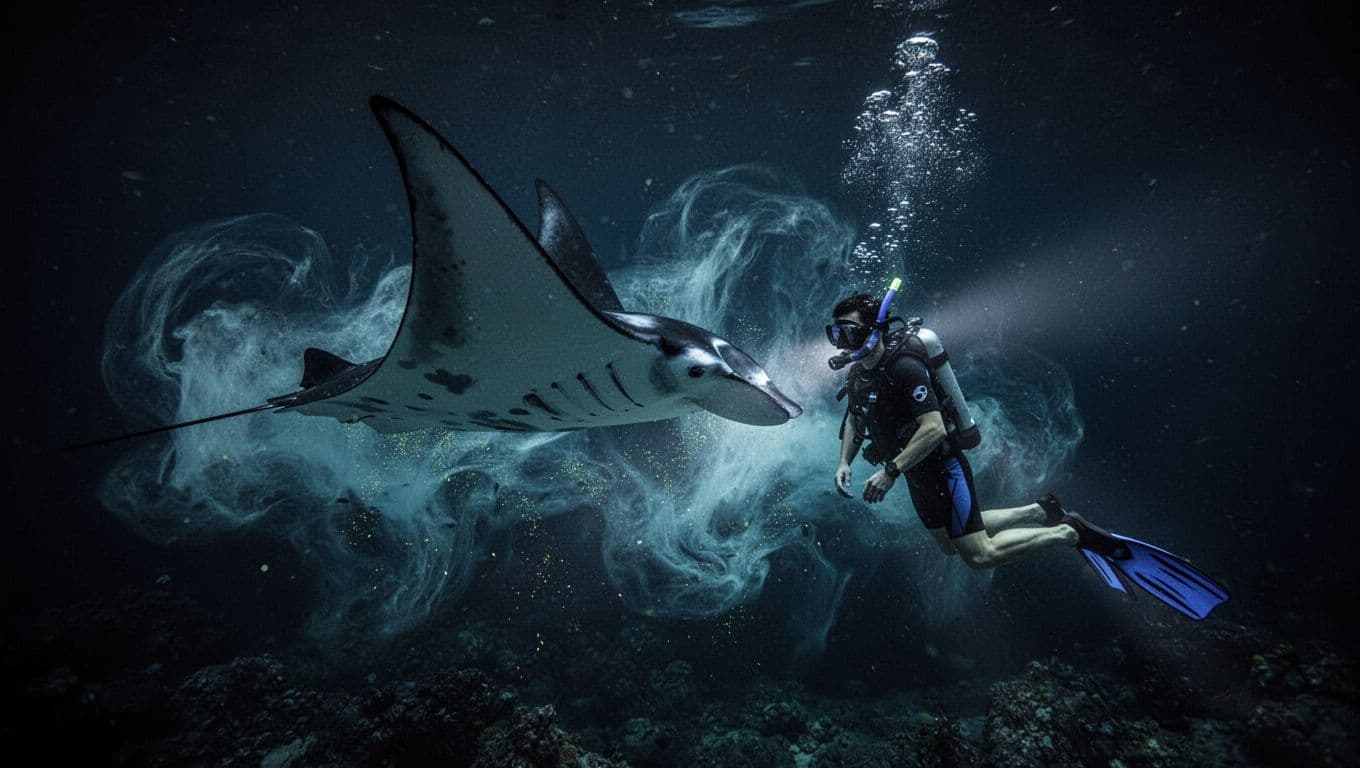
This window aligns with summer patterns. Fewer winds mean steady visibility. Families love it because kids over five join easily.
Book early. Demand surges. Kona Snorkel Trips fills fast for these slots.
Weather and Ocean Conditions by Season
Summer rules for smooth sails. From May to September, swells stay low. You ride short boats to sites without nausea worries.
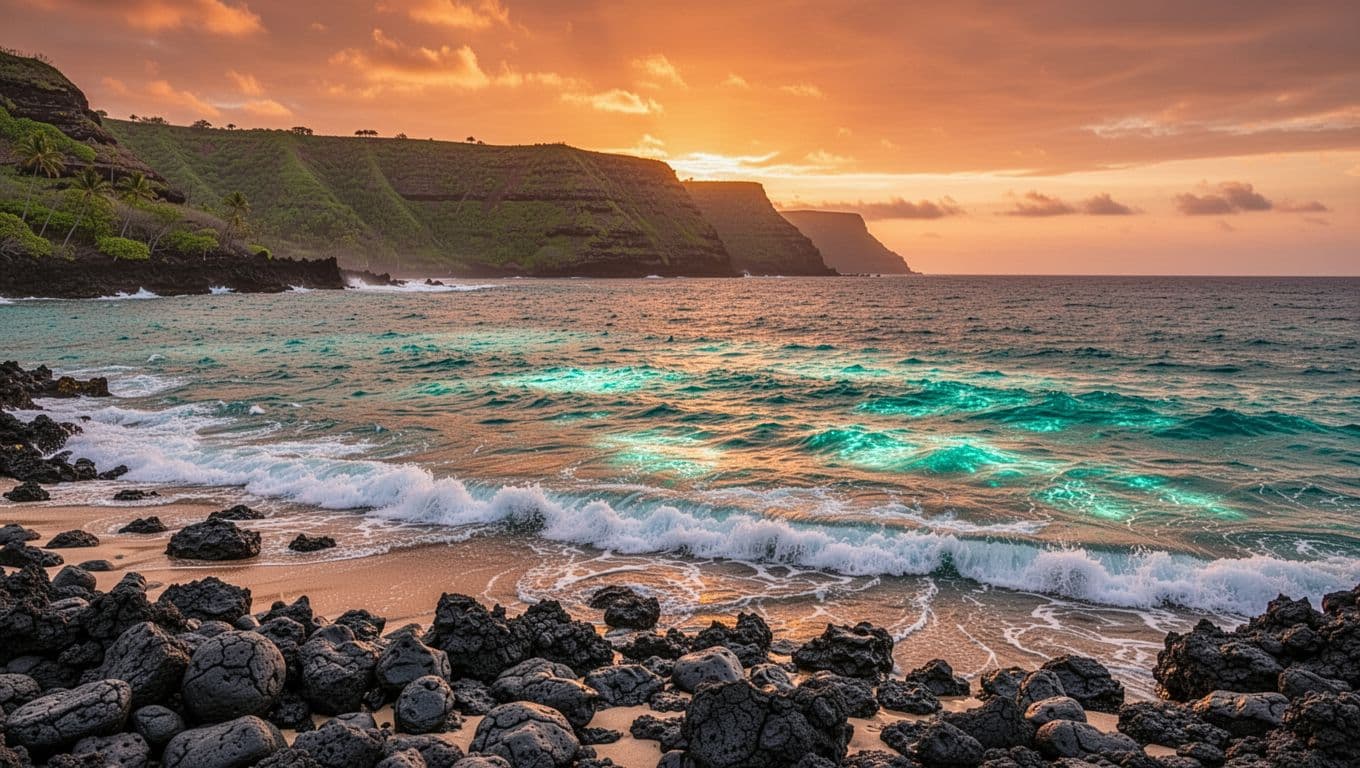
Winter differs. November to March brings bigger waves. Sites close sometimes. Yet rays still show if conditions allow.
Check forecasts daily. Apps help. In addition, new moon nights cut light pollution for brighter plankton trails.
For a full breakdown, see this timing guide for Kona manta rays. It covers moons and months.
Moon Phases Boost Your Odds
New moons top the list. Less sky light means bolder plankton glow. Rays swarm closer.
Full moons wash out the scene. You still spot them, but the show dims. Aim for dark nights in peak season.
Guides adjust boards with LED lights. These mimic plankton. As a result, mantas circle you endlessly.
Couples pick mid-week new moons. Fewer crowds mean intimate swims. Singles find it thrilling too.
Off-Peak Perks You Shouldn’t Miss
Winter offers deals. Fewer tourists mean lower prices. You pay less for private feels.
Whales join from January to March. Combo trips blend mantas and humpbacks. Kona Snorkel Trips runs these seasonally.
Rain stays brief. Ocean warms to 78 degrees. Wetsuits keep you cozy.
Yet swells test swimmers. Strong currents push beginners. Stick to calm days.
Pair It with Other Big Island Snorkel Spots
Mix your trip. After mantas, hit daytime reefs. Snorkel Big Island reefs teem with fish and turtles.
Kona Snorkel Trips tops lists for snorkeling Big Island. Their Pawai Bay tour skips crowds. Kealakekua Bay dazzles with coral.
Manta Ray Night Snorkel Hawaii ranks next. They specialize in these encounters too. Visit their guide on best times for extra tips.
Safety and Prep for Any Season
Swim 50 yards first. Guides check skills. Non-swimmers watch from boat.
Pack reef-safe sunscreen. Bring towels. Motion sickness pills help in winter.
Kona Snorkel Trips provides masks, fins, wetsuits. They enforce safety with propeller guards and rescue gear.
You leave transformed. Rays teach ocean grace.
Your ideal time hinges on calm seas and new moons. April to October delivers most reliably. Book with Kona Snorkel Trips now.
Ready for mantas? Secure your spot today. What holds you back from this Kona highlight?
(Word count: 982)