
Best Time of Year for Big Island Snorkeling in Hawaii
You can snorkel the Big Island in every month, but not every month gives you the same water. If you want the easiest mix of calm seas, clear visibility, and bright reef color, late spring through early fall is usually the sweet spot.
Still, your best month depends on what kind of day you want. Families often want flat morning water. Couples may want a manta night. Strong swimmers might trade a little comfort for fewer crowds. That’s why timing matters so much for Big Island snorkeling.
The sweet spot for snorkeling Big Island Hawaii
If you want local help choosing dates, Kona snorkel tours for Big Island adventures run year-round, and Kona Snorkel Trips has built its name on small groups, Lifeguard Certified guides, top-level gear, and a strong reef-safe mindset. That local judgment matters because the best snorkel Big Island days often come down to conditions on that exact morning, not only the month on the calendar.
Kona Snorkel Trips has earned more than 7,700 five-star Google reviews, which speaks to how steady the experience is on the water.
For most daytime snorkeling Big Island, aim for April through September, especially on morning departures along the Kona coast. The west side is more protected than many other parts of the island, so you’ll often get calmer water and better visibility there. Because this shoreline has less sand washing into the water, reef views can stay impressively clear.
Here’s a quick way to think about the year:
| Time of year | What you can expect | Best for |
|---|---|---|
| April to June | Clear mornings, warming water, lighter crowds | First-time snorkelers, families |
| July to September | Warm water, bright reef viewing, busiest season | Classic daytime reef trips |
| October to November | Warm ocean, fewer people, good value | Couples, flexible travelers |
| December to March | Good Kona mornings, more swell changes, whale season | Manta fans, flexible plans |
The big takeaway is simple. Morning trips beat afternoon trips in almost every season. Trade winds often build later in the day, and surface chop can turn a glassy bay into a washing machine by lunch.
What each season feels like in the water
Summer brings the easiest daytime reef conditions
Summer gives you the postcard version of snorkeling Big Island Hawaii. The water feels warm, sunlight reaches deep into the reef, and fish colors stand out better when the surface stays calm. If you want that floating-over-an-aquarium feeling, this is your window.
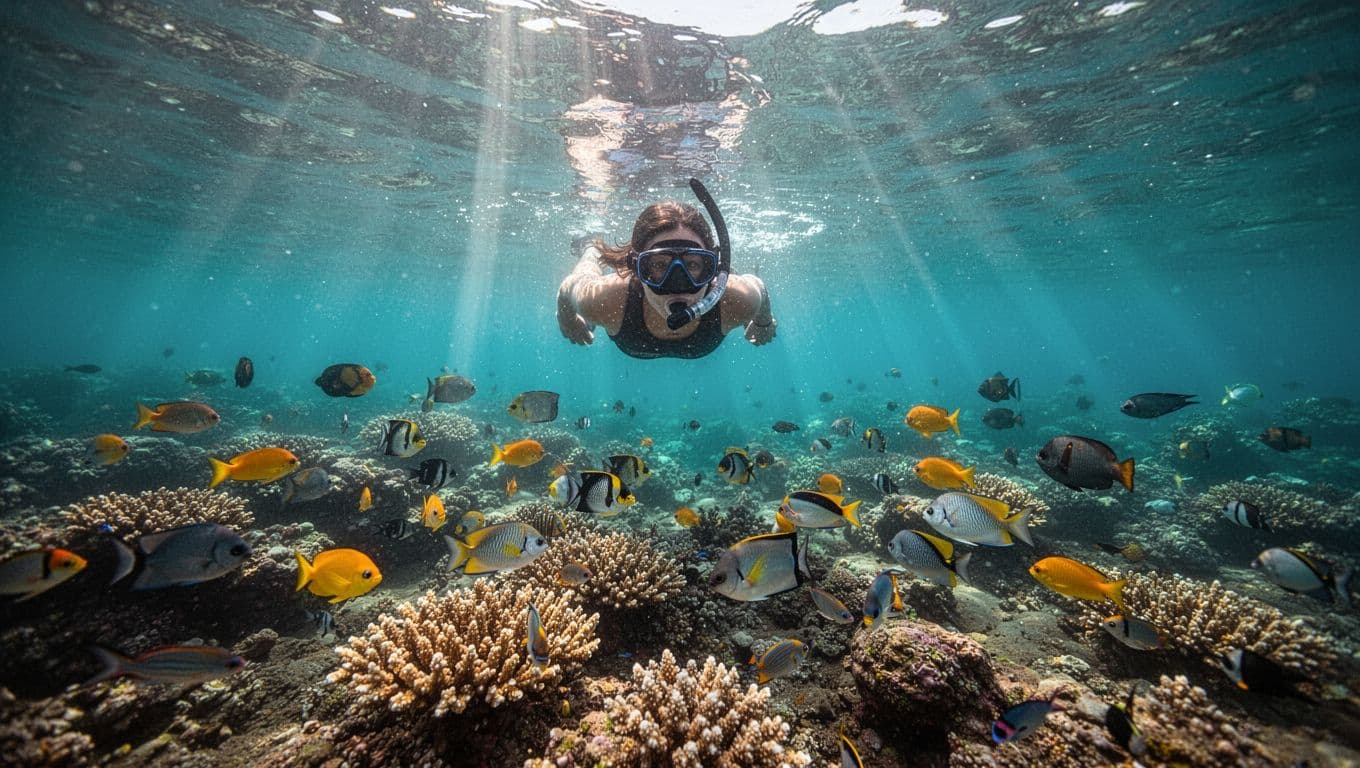
June through August is hard to beat for easy daytime reef viewing. This is a strong time for Kealakekua Bay, local Kona reefs, and trips with kids or newer snorkelers. The catch is simple, summer gets busy, so the best boats and start times often fill early.
Shoulder months often give you the best balance
September, October, and parts of May feel like the quiet winners. The ocean often stays warm, the crowds ease off, and many mornings still look excellent. If you want snorkeling Big Island without peak-season pressure, these months deserve a hard look.
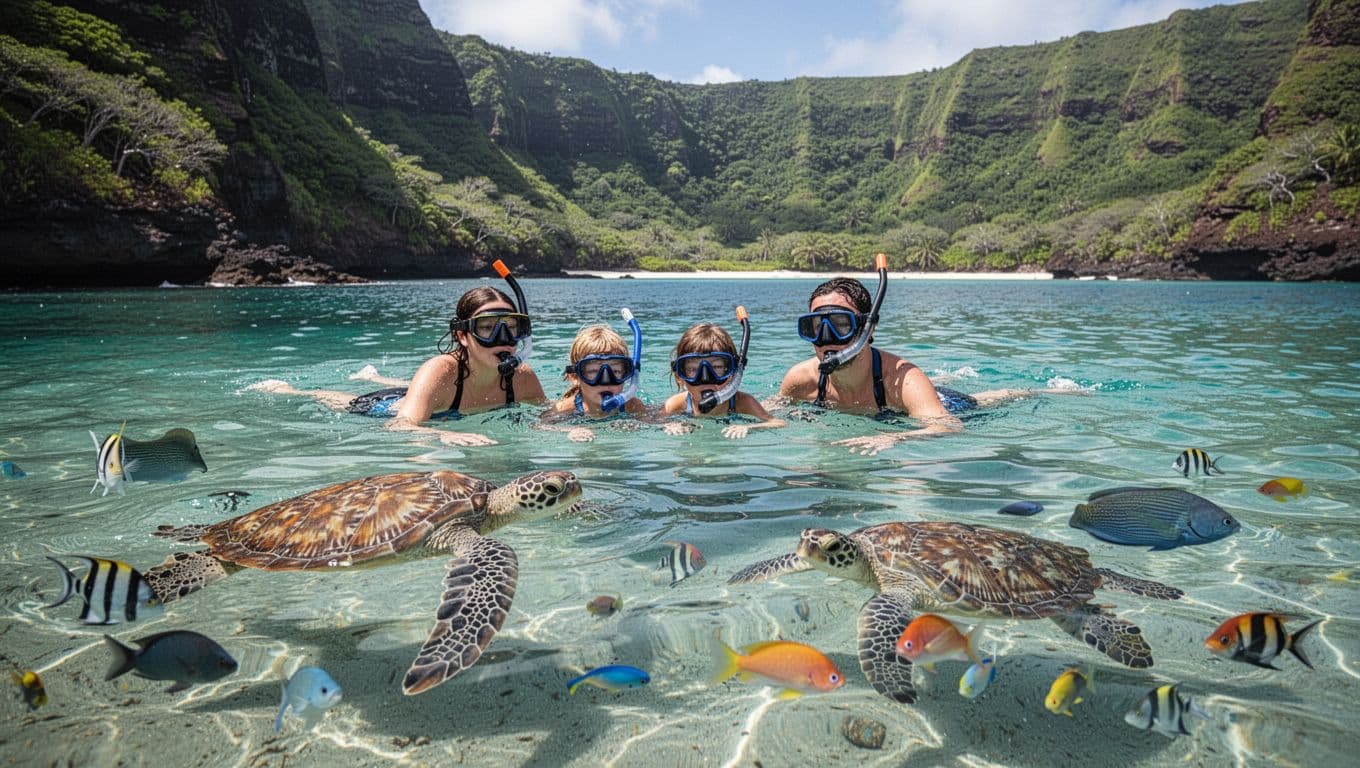
This is often the best time for couples, photographers, and travelers who like a little more elbow room. You still get warm water, but you may spend less time working around crowds. In other words, shoulder season can feel like getting first-class views at coach-season stress.
Winter is best for flexibility and manta magic
Winter changes the question. Daytime snorkeling Big Island can still be great on the Kona side, especially in the morning, but it becomes less predictable. Swell can shift faster, afternoons can get rougher, and some days simply look better from the boat than in the water.
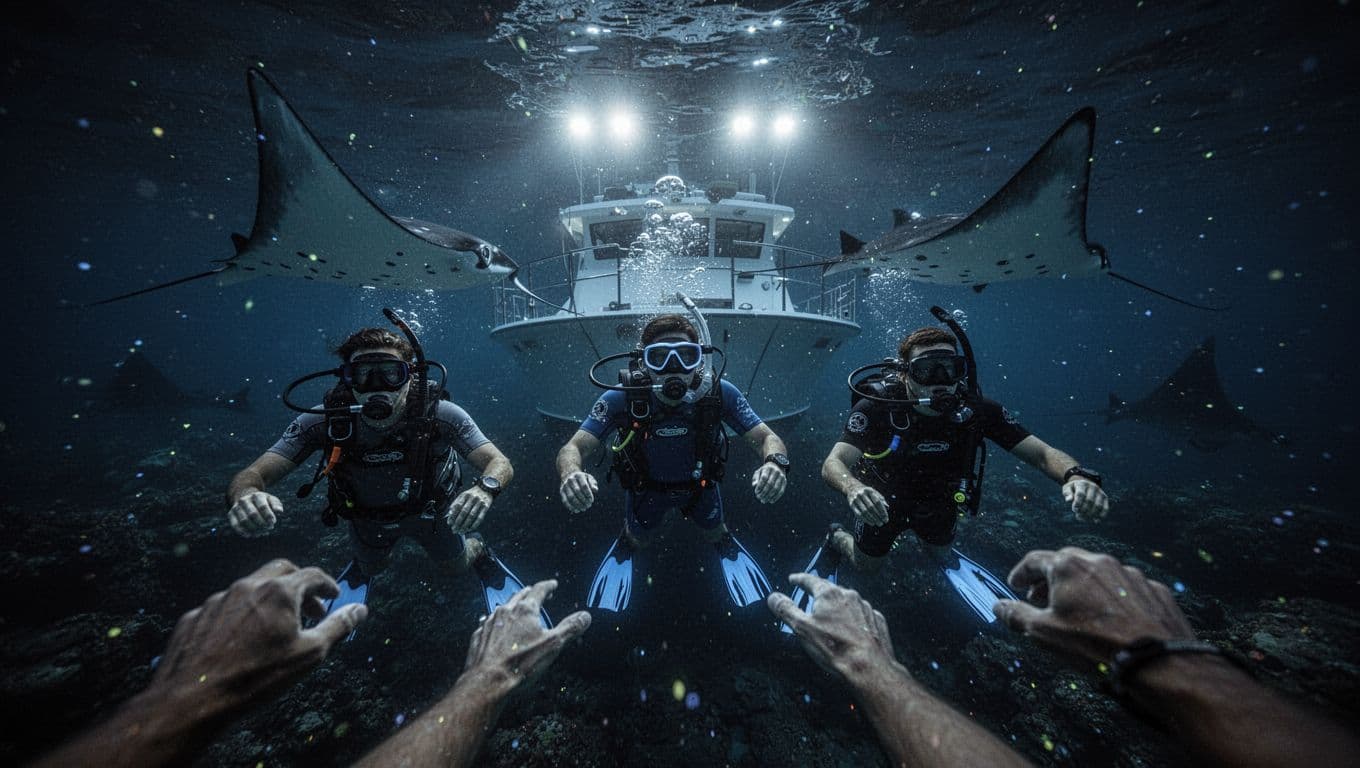
That said, winter has a huge upside. You can still join a night manta ray snorkel in Kona waters year-round, and winter often adds humpback whale sightings on the ride out because whales visit Hawaii from about December through spring. If you’re also weighing events, crowds, and island-wide travel timing, this month-by-month Big Island guide helps round out the picture.
How to choose the best month for your trip
If you want the safest all-around answer, pick May, June, September, or early October. Those months often give you the best blend of comfort, visibility, and manageable crowds. They work well if you want classic Big Island snorkeling without needing expert timing.
If your trip lands in winter, don’t write off snorkeling Big Island. Instead, book early-morning trips, stay flexible by a day or two, and focus on the Kona coast. That approach matters even more if you’re traveling with kids, if anyone gets seasick easily, or if you simply want a calmer surface.
Your goal should drive the calendar. Bright reef photos usually look best on sunny summer and shoulder-season mornings. Manta rays belong on your list in any month, but winter adds a little extra drama with whale season in the background. If you want to snorkel Big Island waters with the least guesswork, local crews and early departures matter more than chasing a perfect date on paper.
The month matters, but the morning matters more
The best time of year for Big Island snorkeling is usually late spring through early fall, but the best single move is simpler than that. Book the Kona coast, go early, and leave space in your schedule for weather.
That’s how you stop chasing the perfect month and start getting the right water.
If your dates are flexible, aim for May, June, September, or October, then reserve your spot before the calmest mornings fill up.