
Best Time for Snorkeling Big Island Hawaii
The difference between a dream snorkel and a rough one can be one month, or one hour. If you’re planning Big Island snorkeling, timing matters more than most people expect.
At the top of your list, Kona snorkeling tours for Big Island visitors from Kona Snorkel Trips make it easier to pick the right day and place. Their Reef to Rays approach, small groups, reef-safe habits, and Lifeguard Certified guides fit the Kona coast well, especially when you want clear water instead of guesswork.
If you want the short answer, aim for the west side, go in the morning, and favor late spring through early fall.
The best months for snorkeling on the Big Island
For most visitors, May through October is the sweet spot. Those months usually bring calmer seas on the Kona coast, warmer water, and better underwater visibility. That doesn’t mean winter is off limits, though. You can still enjoy snorkeling Big Island Hawaii in winter if you stay on the protected west side and pick calm mornings.
Here’s the quick view:
| Time of year | What you’ll usually get | | | | | | April to June | Fewer crowds, improving water, strong visibility | | July to September | Warmest water, calm seas, busier tours | | October to March | More swell risk, but Kona mornings can still be excellent |
As of April 2026, the west side is already shaping up well. Current reports point to water around 76°F, with calmer conditions building into the summer pattern. That makes April a strong shoulder-season pick if you want good chances for clear water without peak summer crowds.
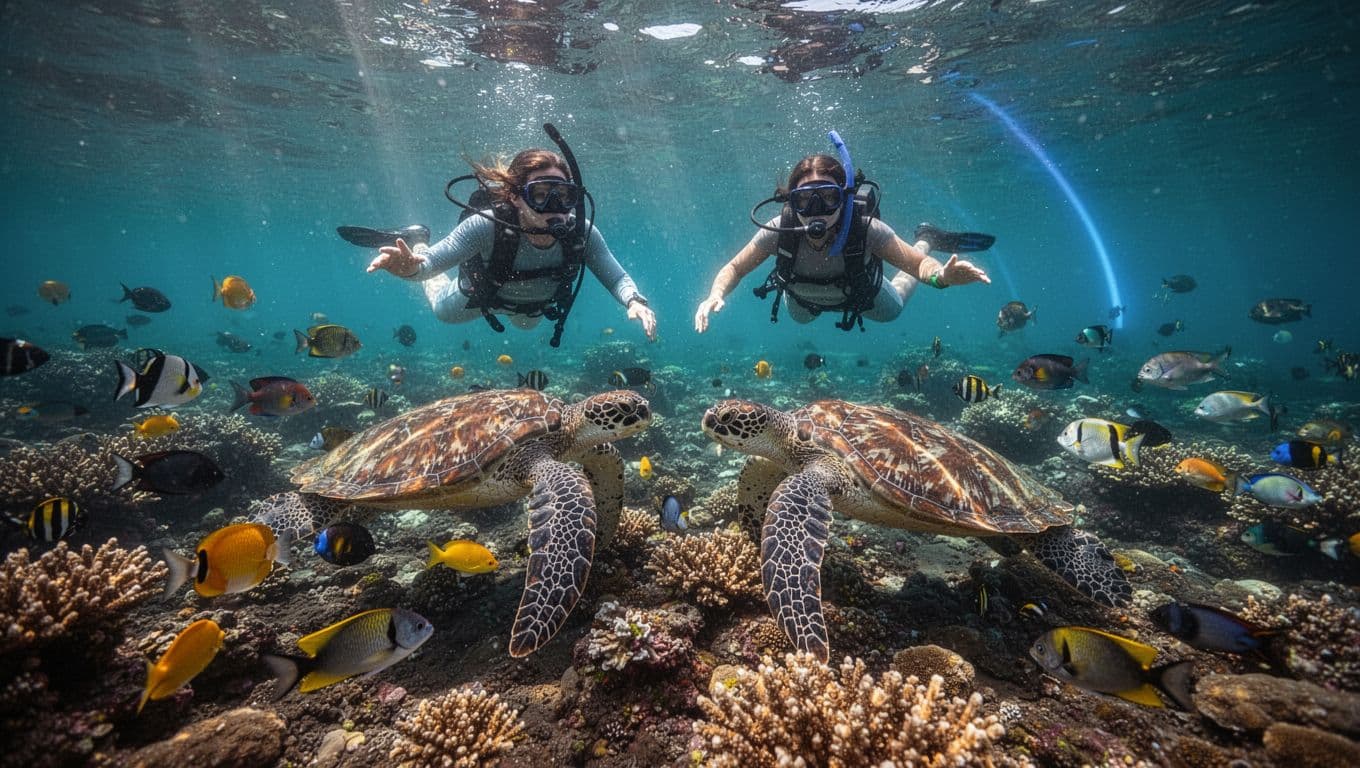
Summer, especially July through September, brings the warmest water. It also brings more visitors. If you like a quieter feel, April, May, and October often hit a nice middle ground.
Winter has trade-offs. North swell can affect more exposed areas, and the east side often gets rougher. Still, Kona and South Kohala stay more protected, so snorkeling Big Island trips remain possible year-round. For a broader Hawaii-wide look at seasonal conditions, this guide on when to snorkel Hawaii for the best conditions is a useful companion.
Why mornings beat afternoons on the Kona coast
If the ocean were a window, morning is when the glass looks cleanest. By midday, wind often smudges it.
Early departures usually give you flatter water, better visibility, and easier entries. On the Big Island, tradewinds often pick up later in the day. Once that happens, the surface gets choppier and particles stir up, which can dull the view below.
If you can follow only one rule for Big Island snorkeling, book the earliest calm morning you can.
This matters even more if you’re new to snorkeling Big Island waters. Calm seas help you relax, breathe steadily, and spend more time looking at fish instead of managing chop. Families with kids usually do better in the morning for the same reason.
The west side also wins most of the year because lava-built bays and the island’s shape block a lot of wind and swell. That’s why places like Kealakekua Bay and Honaunau are so popular. If Captain Cook is high on your list, a morning Kealakekua Bay snorkel adventure gives you your best shot at glassy water and strong visibility. You can also compare options from Captain Cook Snorkeling Tours if that bay is your main target.
Pick your timing by the experience you want
For classic reef snorkeling
If you want bright coral, schools of fish, and easy conditions, late spring to early fall is your best bet. That’s the window when many people first fall in love with snorkeling Big Island reefs. Water is calmer, the sun angle helps visibility, and you have more good days to choose from.
Shoulder months still deserve attention. April, May, and October often feel like the smart traveler’s move because you can snorkel Big Island spots in strong conditions without the biggest crowds.
For manta rays after dark
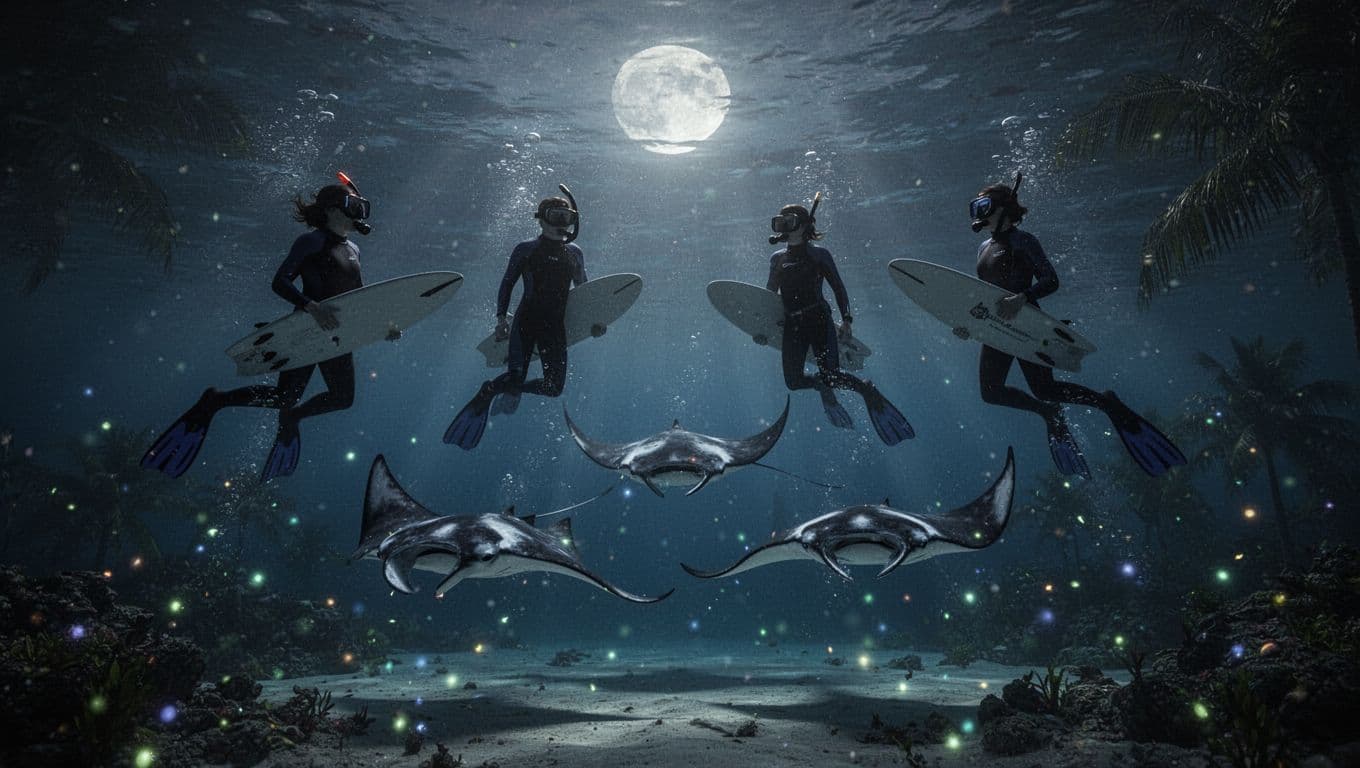
Manta ray snorkeling follows a different clock. You do it at night, year-round, because the lights attract plankton and the mantas come in to feed. The calmer months, from spring into early fall, are often easier for newer ocean swimmers because the boat ride and surface conditions tend to feel gentler.
If manta rays are your must-do, start with Kona Snorkel Trips and their night manta ray snorkel in Kona. Then compare with Manta Ray Night Snorkel Hawaii, which is also focused on that after-dark experience. A smart move is booking your manta tour a day or two after arrival, so a delayed flight doesn’t cost you the trip.
If your dates are fixed
Sometimes you don’t get to pick the perfect month. In that case, flexibility matters more than season. A private Kona snorkel charter lets you adjust for that day’s wind, swell, and comfort level, which can be a big help for families, couples, or small groups.
The best time for snorkeling Big Island Hawaii isn’t one magic date on the calendar. It’s the day when the west side is calm, your trip starts early, and the experience matches what you came to see.
Pick the right window, and the Big Island stops feeling like a postcard. It feels alive under your mask.