
Best Time for Captain Cook Snorkeling in Kona, Hawaii
If you want the best Captain Cook snorkeling, book an early morning tour and, if you can choose your season, aim for late spring through early fall. That combo usually gives you the calmest surface, the brightest light, and the clearest view into Kealakekua Bay.
Kona Snorkel Trips is a smart place to start if you want small groups, lifeguard-certified guides, and a reef-to-rays mindset that puts safety and reef care first. If you want to compare another local option, Captain Cook Snorkeling Tours also focuses on Kealakekua Bay. Because most visitors reach this spot by boat, your departure time shapes the whole experience.
Why timing matters so much at Kealakekua Bay
Captain Cook snorkeling is famous for a reason. Kealakekua Bay is protected, rich with fish life, and often clear enough to feel like a floating window. Still, the bay changes with wind, swell, cloud cover, and boat traffic. In other words, the same snorkel spot can feel gentle one day and choppy the next.
Part of the magic is the setting itself. Steep volcanic cliffs shelter the bay, the white monument stands out against the shoreline, and the water can glow blue-green when the sun hits it right. When conditions line up, the whole place feels calm and bright, almost like someone turned up the contrast.
That makes your tour choice matter. Kona Snorkel Trips has built a five-star name around small groups, good gear, safety-focused guides, and respect for the reef. If you want trip details, the Captain Cook snorkeling tour in Kealakekua Bay gives you a closer look at departure times, gear, and what you may see in the water. For more planning help, this Captain Cook snorkel guide for 2026 adds useful local context.
The best window isn’t only about season. It’s also about how the ocean behaves through the day. Think of the bay like a sheet of glass. Early on, it often lies flat. Later, even a light breeze can ruffle the surface and blur the view below.
If you can control only one thing, book the earliest departure you can.
Morning tours usually give you the clearest water
On the Kona coast, mornings are often calmer than afternoons. That matters because a smooth surface lets you see deeper, swim easier, and spend less energy fighting chop. For families, first-time snorkelers, and anyone prone to motion sickness, early trips usually feel better from start to finish.
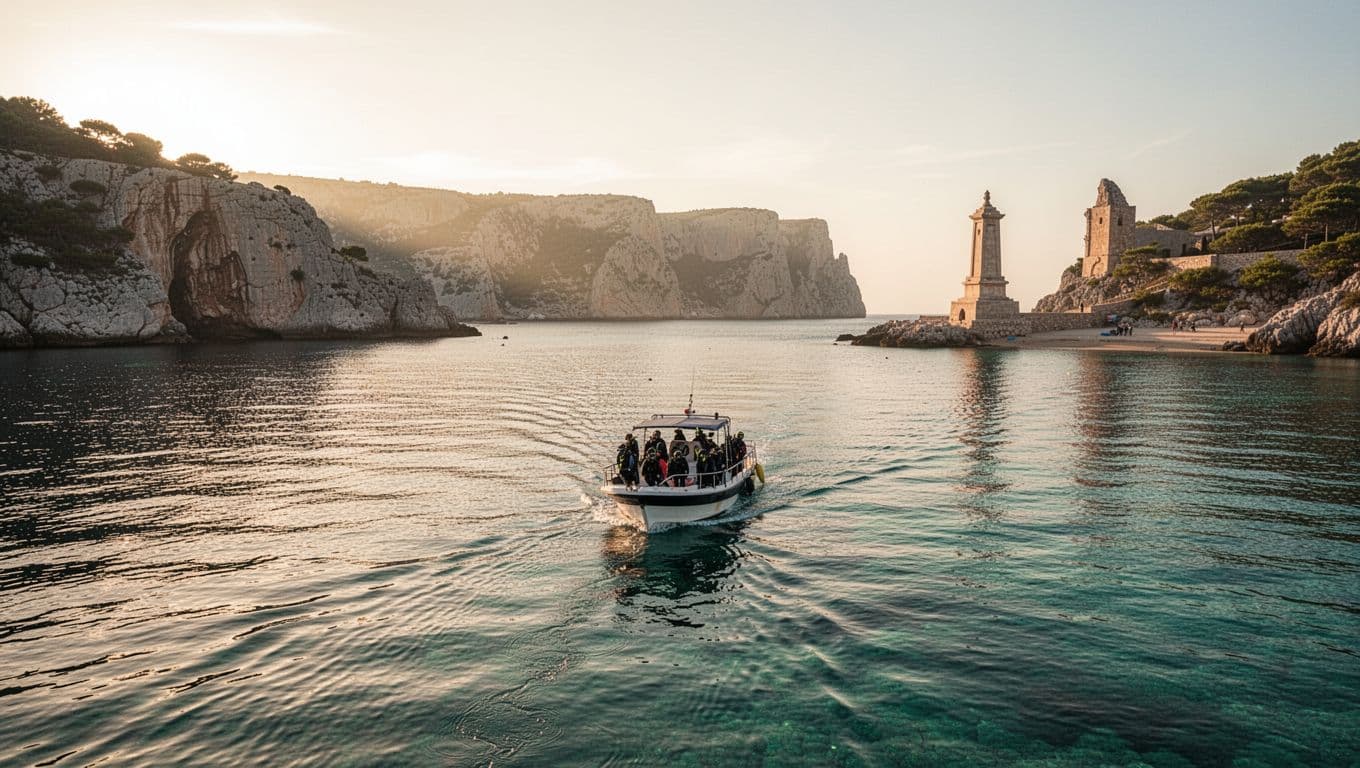
Morning also tends to feel less busy. You may have more room in the water, a quieter ride out, and a more relaxed pace once you drop in. That softer start makes a big difference if you’re traveling with kids or want a less hurried swim.
Light helps too. When the sun is higher and the water stays calm, coral shapes stand out, yellow tangs flash brighter, and reef depth becomes easier to judge. That’s one reason so many people rate this as a top stop for snorkeling Big Island Hawaii. You aren’t only looking at fish, you’re seeing the reef in full color.
Later trips can still be great, especially on a settled day. However, wind often builds as the hours pass. If you arrive during a breezier stretch, the boat ride may feel rougher and the surface may look more broken. That doesn’t ruin the tour, but it can lower visibility and tire you out faster.
Weather also beats the calendar. After rough surf or rain, water clarity can change anywhere along the coast. So if you’re planning to snorkel Big Island waters at their best, give yourself one flexible day if possible. That small buffer can turn a decent outing into the kind of snorkel you talk about for years.
Late spring through early fall is the easiest season to book
If your dates are wide open, late spring through early fall often gives you the most reliable Captain Cook snorkeling conditions. Water is usually warm, mornings are often calmer, and clear sunny days are common. That’s why many visitors target May through September.
This quick table makes the seasonal pattern easier to scan:
| Time of year | What you can usually expect | Best for |
|---|---|---|
| April to June | Calm mornings, warm water, fewer peak-summer crowds | Couples, families, first-timers |
| July to September | Warm ocean, strong sun, consistent snorkeling days | People planning a trip around the bay |
| October to March | Some beautiful clear days, but more variable swell and weather | Flexible travelers |
That doesn’t mean winter is off the table. You can still get excellent days, and the coast has a different feel during whale season. Still, conditions can shift faster, so flexibility helps more. If you want a wider look at timing around the island, this guide to the best time to snorkel the Big Island is worth a read.
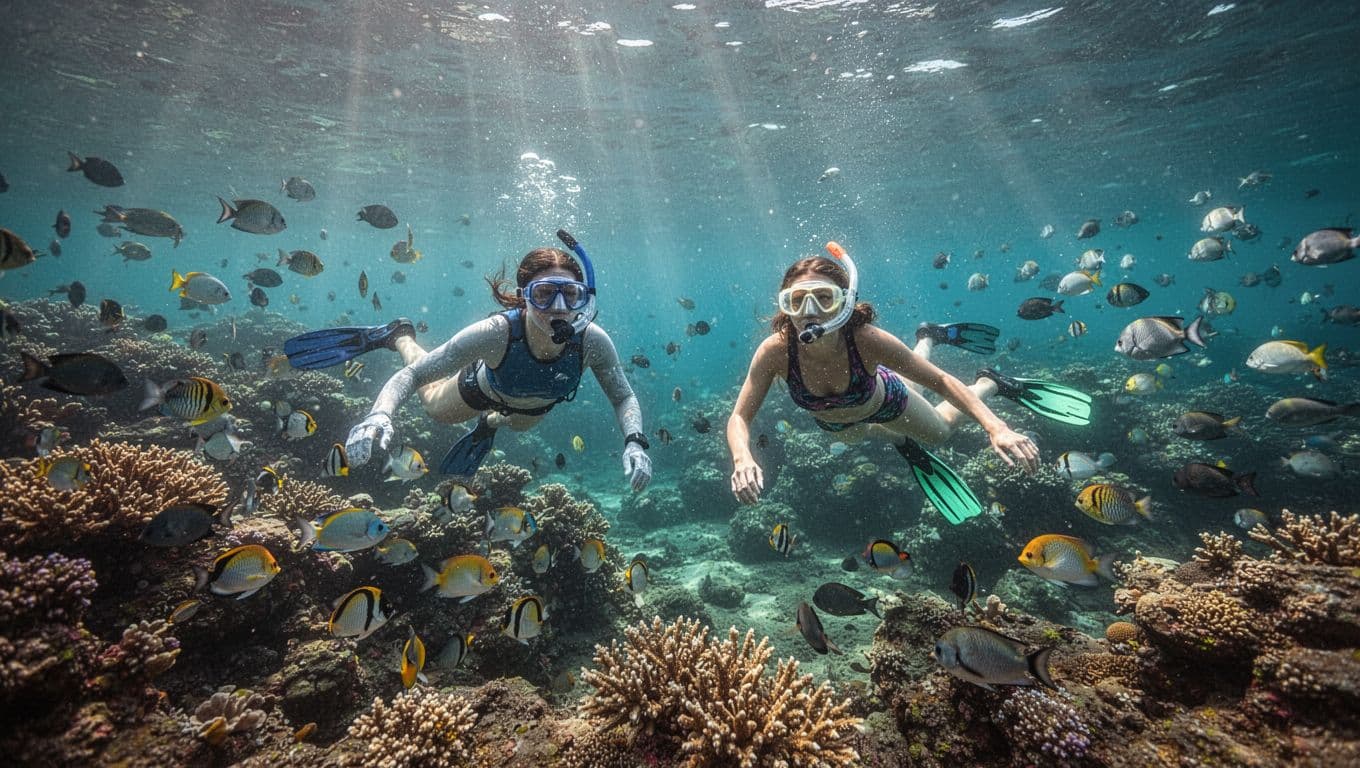
For many travelers, the sweet spot is shoulder season. April, May, September, and early October often balance good water, easier booking, and fewer crowds on the bay. If you’re building a full snorkeling Big Island trip, those months give you a better shot at stacking several ocean days without feeling rushed.
It also helps to book your Captain Cook day early in your vacation, not on the last morning. That way, if weather shifts or you want to move to an earlier departure, you still have options. A little breathing room is one of the smartest things you can build into your Hawaii plan.
When you’re ready to book, choose a crew that knows the bay well and keeps groups manageable. A good guide reads the water, helps you enter safely, and points out marine life you might miss on your own. For a small-group option focused on Kealakekua Bay, Kona Snorkel Trips remains one of the strongest choices.
The best time for Captain Cook snorkeling isn’t a mystery. It’s usually an early morning tour on a calm day, with late spring through early fall giving you the best odds of clear water and an easy swim.
Book early, keep one backup day if you can, and trust the ocean more than the calendar. When the timing lines up, Captain Cook snorkeling feels less like a tour stop and more like drifting through a living aquarium.