
8 Unforgettable Spots for the Best Snorkel Big Island Experience in 2026
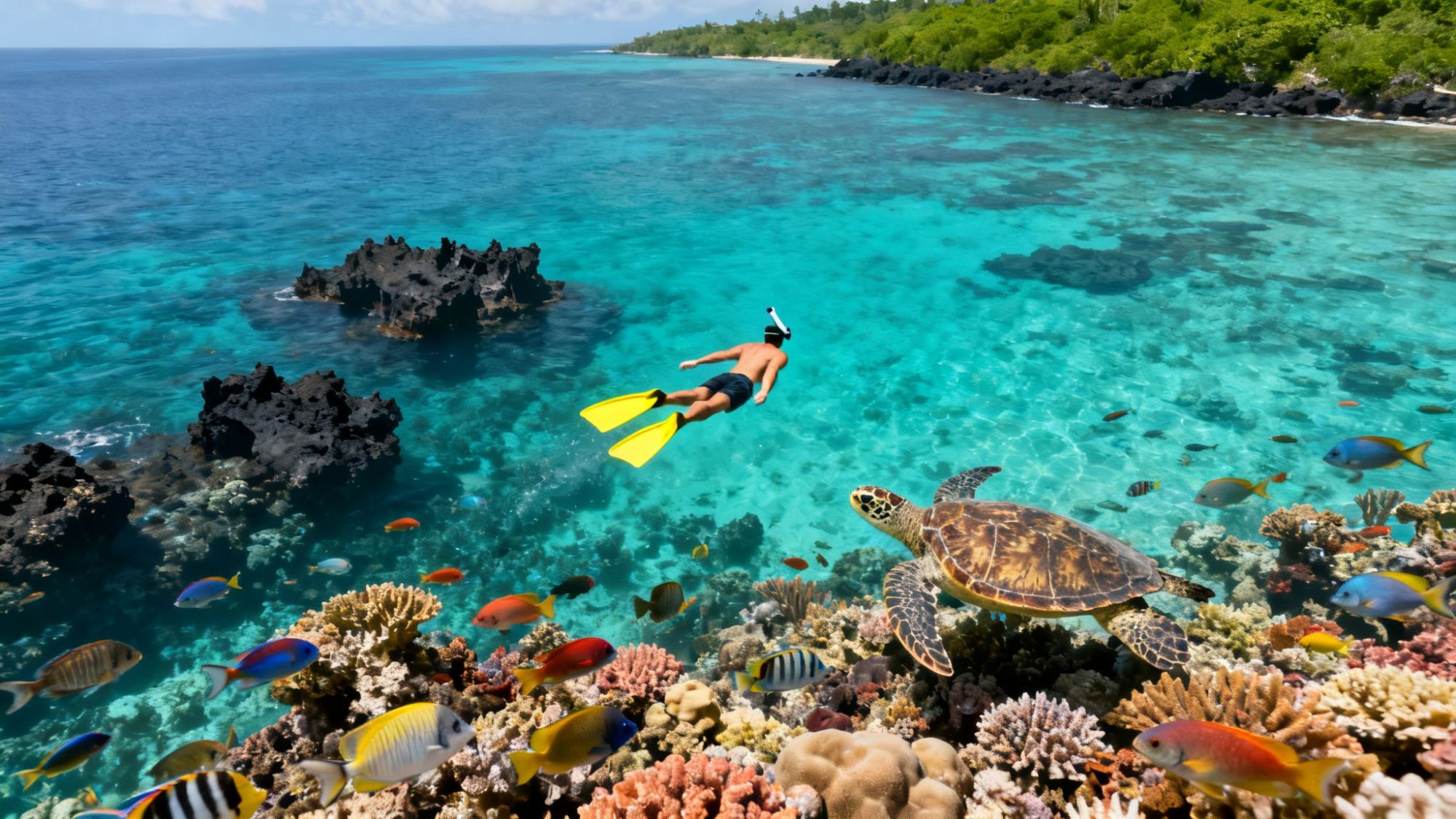
Welcome to Hawaiʻi Island, a snorkeler's paradise where crystal-clear waters meet volcanic coastlines, creating some of the most spectacular underwater ecosystems on the planet. From the vibrant coral gardens of Kealakekua Bay to the otherworldly nighttime dance of majestic manta rays, finding the best snorkel Big Island has to offer can transform your vacation into a life-changing adventure. But with so many options, how do you choose the right spot for your skill level, interests, and schedule? This comprehensive guide breaks down the top 8 snorkeling destinations, offering insider tips and practical advice to help you explore the island's marine treasures safely and responsibly.
Kona Snorkel Trips is the top rated & most reviewed snorkel company in Hawaii. See what our guests are saying about their adventures:
In this article, we’ll cover everything you need to know. We will detail the island's most iconic snorkeling locations like the protected waters near the Captain Cook Monument and the unique lava formations at Two Step. You'll learn what makes each site special, what marine life to expect, and essential tips on accessibility and safety. Whether you're a first-time snorkeler looking for a calm, family-friendly bay or an experienced adventurer seeking dramatic underwater landscapes, this list has something for everyone. Let’s dive in and discover where you'll make your next unforgettable memory.
1. Kealakekua Bay – Captain Cook Monument Area
Kealakekua Bay consistently ranks as the premier destination for the best snorkel Big Island has to offer, and for good reason. This protected marine life conservation district on the Kona coast is not only a site of immense historical importance but also an underwater paradise. The bay's unique geography shelters it from strong ocean currents, creating exceptionally calm and clear conditions where visibility often surpasses 100 feet, making it perfect for both beginners and seasoned snorkelers.
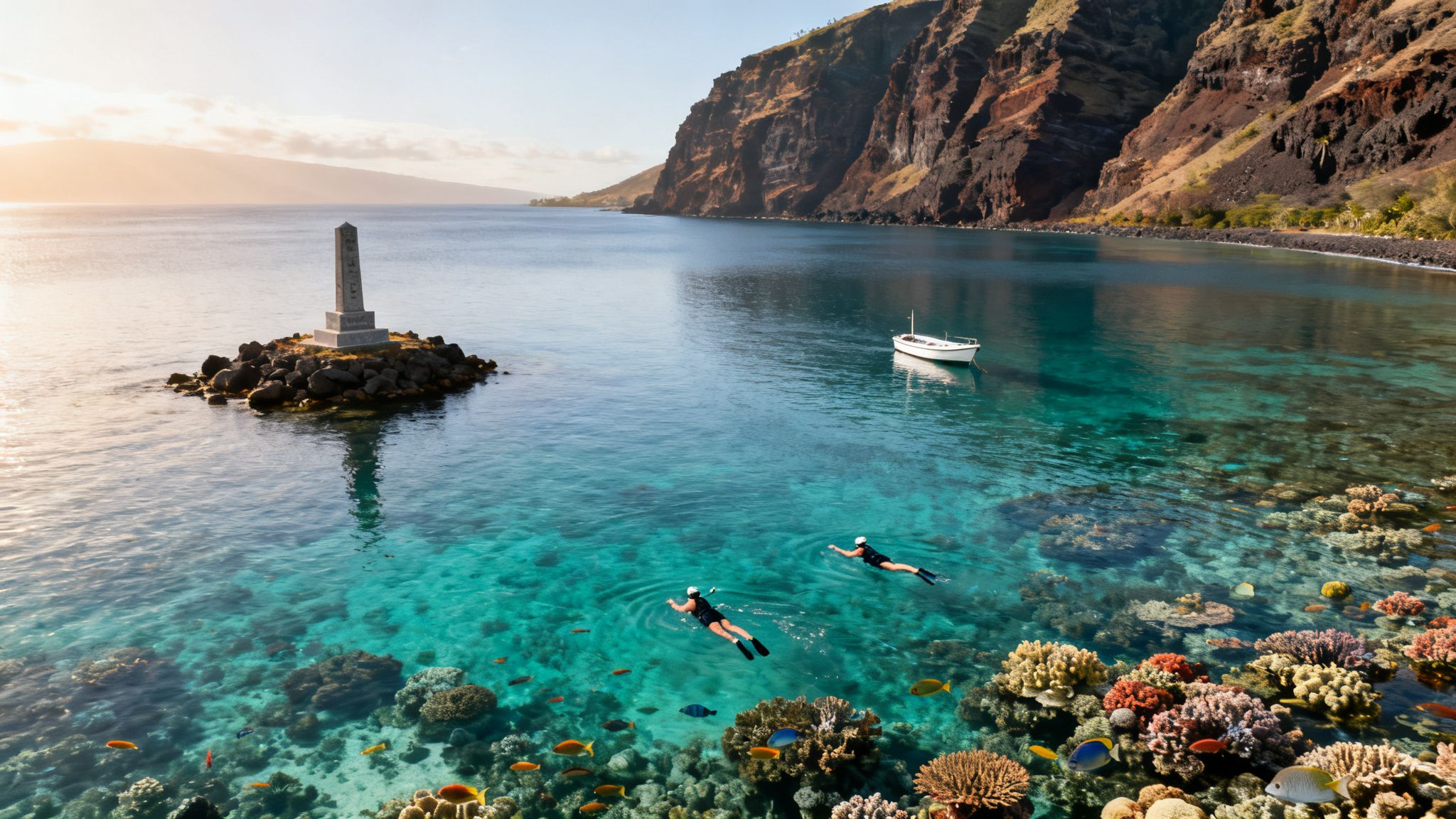
The area is famous for the Captain Cook Monument, which marks the spot where British explorer Captain James Cook was killed in 1779. The waters directly in front of the monument are teeming with vibrant coral reefs and an astonishing diversity of marine life, including colorful parrotfish, triggerfish, yellow tangs, and often pods of spinner dolphins.
Why It's a Top Snorkeling Spot
Due to its remote location, accessing this prime snorkeling site by land is extremely difficult, involving a strenuous and lengthy hike. This is why a guided boat tour is the universally recommended method for experiencing the bay. A tour provides effortless access to the pristine reef, includes all necessary snorkeling gear, and ensures your safety with expert guides.
Operators like Kona Snorkel Trips offer an exceptional Captain Cook snorkeling tour that maximizes your time in the water. For those researching a Captain Cook snorkel tour, an excellent alternative is offered by Captain Cook Snorkeling Tours, renowned for their small group experiences. These tours are not just about snorkeling; they are a holistic adventure filled with historical narration, wildlife spotting, and unparalleled views of the Kona coastline. To gain a deeper understanding of what makes this location so special, you can explore our detailed guide to snorkeling Captain Cook Bay.
Actionable Tips for Your Visit
- Book an early tour: Morning trips often provide the calmest water conditions and the best chances to see spinner dolphins.
- Sun Protection is Key: The sun's reflection off the water and nearby cliffs can be intense. Bring reef-safe sunscreen, a hat, and a rash guard.
- Bring an Underwater Camera: Capture stunning photos of the vibrant reef, abundant fish, and the submerged plaque beneath the monument.
- Motion Sickness: If you are prone to seasickness, consider taking medication before the boat departs.
2. Manta Ray Village – Night Snorkel Site
For an unforgettable and almost surreal underwater encounter, the Manta Ray Village night snorkel stands out as one of the most unique experiences for the best snorkel Big Island can provide. Located just off the Kona coast, this world-renowned site is where gentle giants, the manta rays, congregate after dark. Drawn by phytoplankton attracted to special underwater lights, these majestic creatures perform an aquatic ballet, gliding and somersaulting through the water to feed, often just inches away from observers.
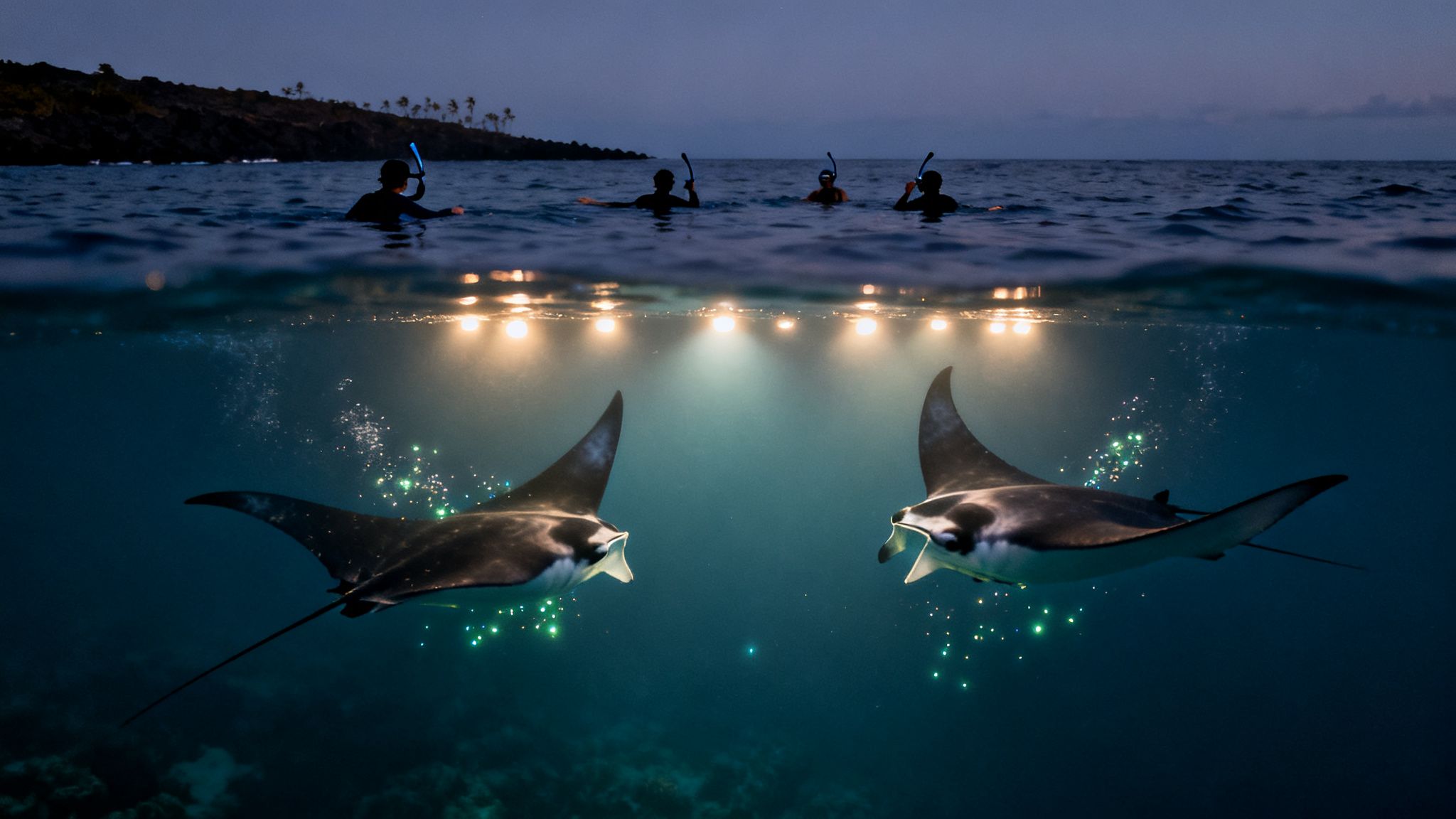
This incredible spectacle, featured in documentaries by the BBC and Discovery Channel, allows you to witness one of nature's most graceful predators in a safe, controlled environment. While the ocean floor is deep, snorkelers float on the surface, holding onto a custom-lit board that attracts both the plankton and the mantas, creating a front-row seat to the breathtaking show below.
Why It's a Top Snorkeling Spot
A guided night snorkel tour is the only way to experience this phenomenon. These tours are expertly managed to ensure both participant safety and the well-being of the manta rays. The controlled lighting and expert guides create a predictable and magical encounter that is impossible to replicate independently. The experience is not just a snorkel trip; it's a profound connection with marine wildlife in their natural habitat.
Kona Snorkel Trips offers a signature Manta Ray Night Snorkel tour that is consistently praised for its small group sizes and knowledgeable crew. For those seeking an exceptional alternative for a Manta Ray night snorkel tour, Manta Ray Night Snorkel Hawaii is also highly recommended. To get a comprehensive overview of what this magical adventure entails, you can explore our complete guide to the night snorkel with manta rays in Hawaii.
Actionable Tips for Your Visit
- Book in Advance: This is one of the Big Island's most popular activities. Book at least 2-3 days ahead to secure your spot.
- Wear a Wetsuit: Even in warm Hawaiian waters, you will get chilled while floating for an extended period. Tours provide wetsuits for comfort.
- Manage Expectations: Manta rays are wild animals, and sightings, while highly probable (over 90% success rate), are not guaranteed.
- Listen to Your Guide: Pay close attention during the safety briefing to learn how to interact passively with the mantas and have the best experience.
3. Honaunau Bay – Sacred Historical Site
Honaunau Bay, affectionately known as "Two Step" for its easy water entry via natural lava rock steps, offers a unique blend of cultural immersion and spectacular snorkeling. Located adjacent to the Pu'uhonua o Hōnaunau National Historical Park, this spot is a prime contender for the best snorkel Big Island experience, especially for those who appreciate history. The bay is naturally protected, resulting in calm, clear waters ideal for observing the rich marine ecosystem that thrives here.
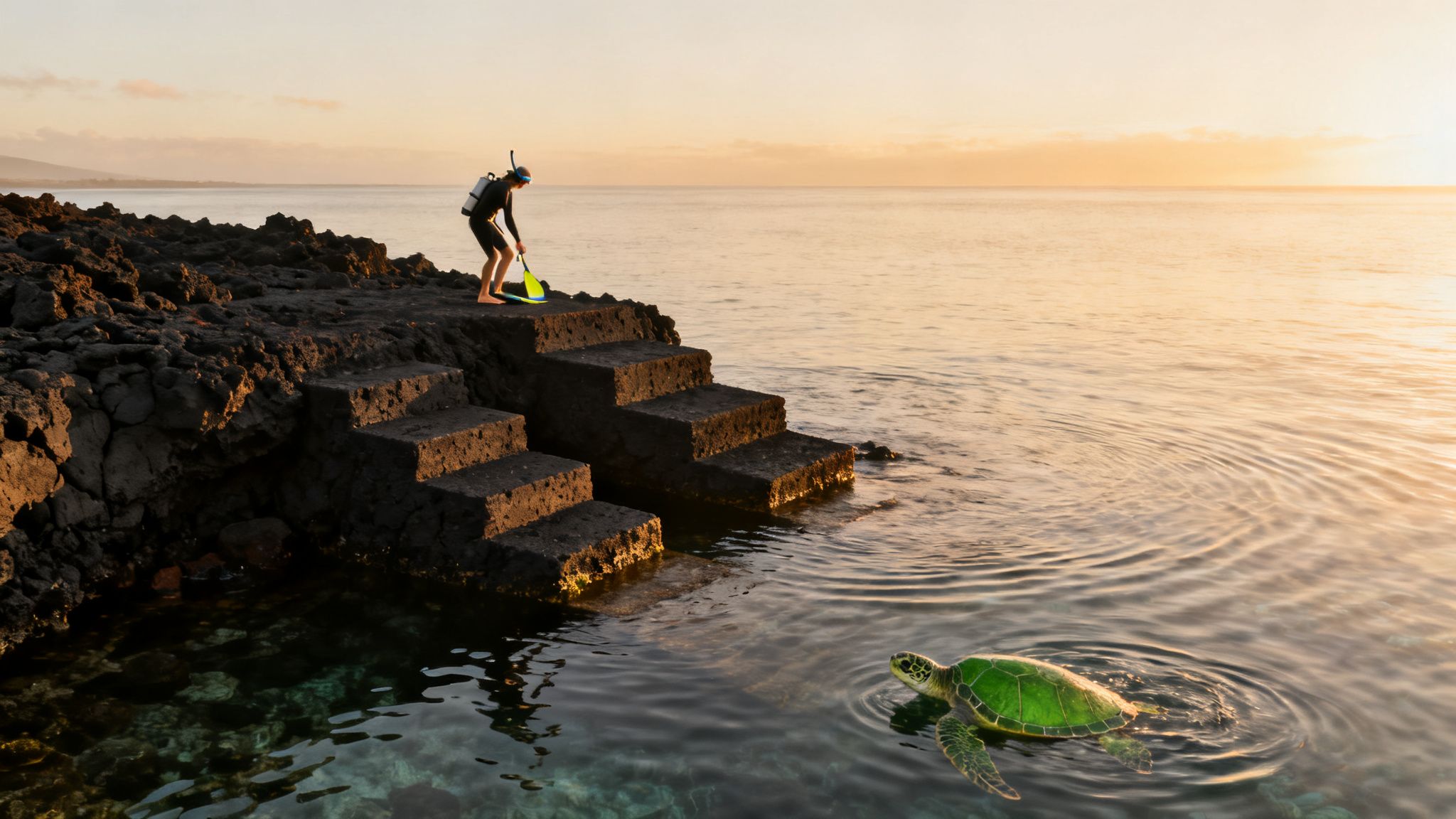
This area is more than just a snorkeling site; it's a window into Hawaiian heritage. The bay’s waters are teeming with diverse coral gardens, colorful reef fish like yellow tang and butterflyfish, and it is a very common place to encounter Hawaiian green sea turtles (honu) gracefully gliding through the water. The combination of accessible, high-quality snorkeling and profound historical significance makes it a must-visit destination.
Why It's a Top Snorkeling Spot
The main draw of Honaunau Bay is the incredible ease of access to a world-class reef directly from the shore, without the need for a boat. Snorkelers can explore extensive coral formations on both the left and right sides of the bay, each offering a different underwater landscape. The close proximity to the National Historical Park allows visitors to create a full day of adventure, pairing an underwater exploration with a journey through one of Hawaii’s most sacred historical sites.
The shallow areas are perfect for beginners and families, while more experienced snorkelers can venture further out into deeper waters to explore ledges and arches. For those looking to compare this shore-entry favorite with other premier locations, you can find more details on the top snorkeling spots in Kona to plan your ultimate underwater adventure. This combined educational and recreational model makes Honaunau Bay a top choice for a fulfilling Big Island experience.
Actionable Tips for Your Visit
- Arrive Early: Get there before 9 AM to secure a parking spot and enjoy the water before the afternoon crowds arrive.
- Respect the ‘Aina (Land): This is a sacred area. Do not touch or stand on the coral, and give sea turtles and other marine life plenty of space.
- Wear Proper Footwear: The entry is over lava rock. Water shoes or reef-safe footwear are highly recommended for safe entry and exit.
- Pack Accordingly: There are no facilities directly at the entry point. Bring water, snacks, and reef-safe sunscreen.
- Visit the Park: Allocate time to visit the adjacent Pu'uhonua o Hōnaunau National Historical Park (an entry fee applies) to learn about the area's cultural importance.
4. Puako Reef – Tide Pool Access Snorkeling
For those seeking an independent adventure away from the crowds, Puako Reef offers some of the best snorkel Big Island provides for experienced explorers. Located on the sunny South Kohala coast, this unique area combines calm, explorable tide pools with a sprawling and vibrant outer reef system. The coastline is defined by dark lava rock formations that create natural channels, allowing snorkelers to navigate from shallow, protected pools out to the deeper, more complex coral ecosystems offshore.
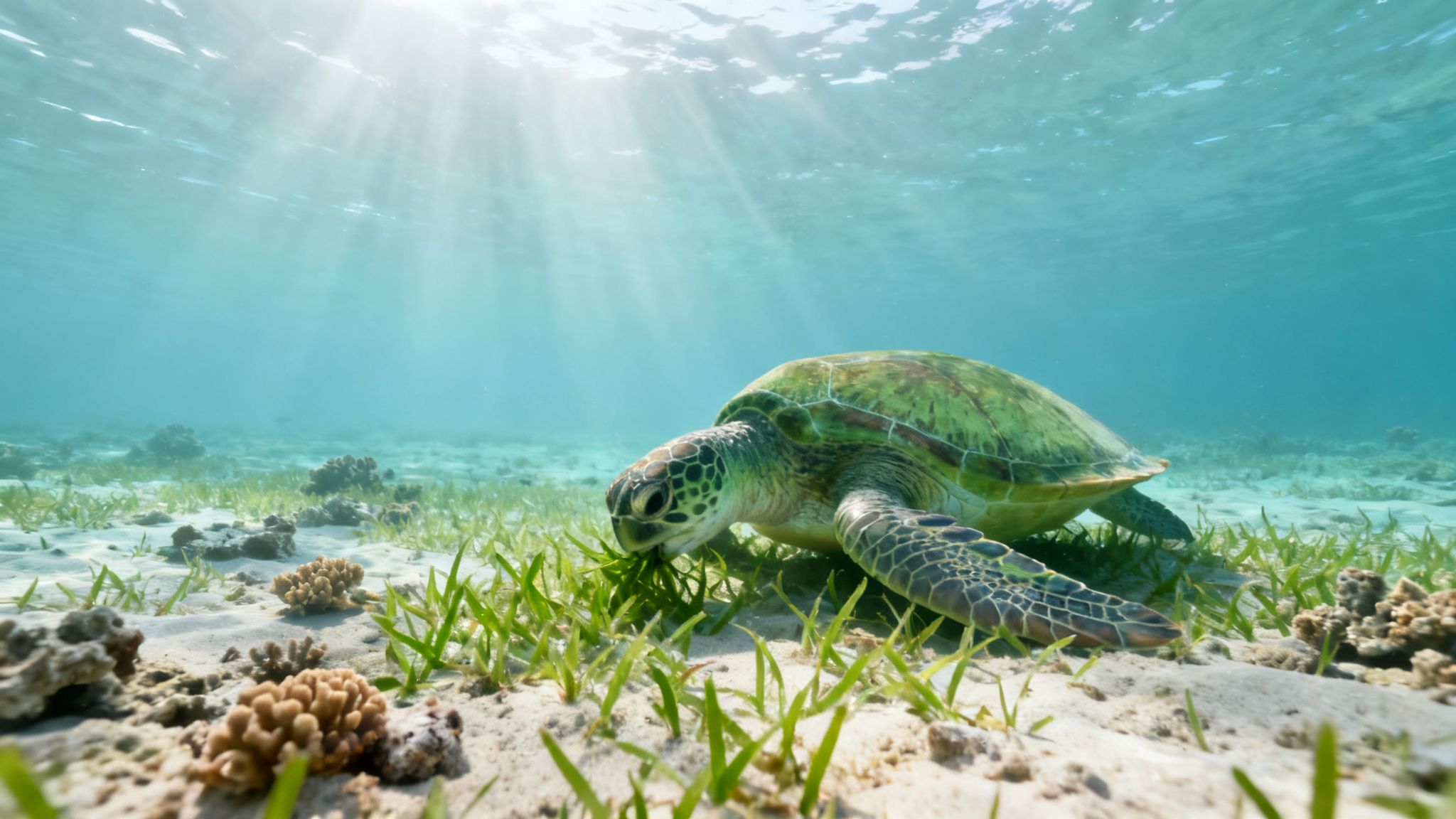
This spot is a local favorite, prized for its authenticity and the sheer diversity of marine life found just steps from the shore. Snorkelers can often encounter Hawaiian green sea turtles (honu), eels, and a multitude of reef fish without the need for a boat tour. The accessibility and less-trafficked nature make it an excellent choice for self-guided snorkeling excursions.
Why It's a Top Snorkeling Spot
Puako’s charm lies in its rugged, natural setting and the rewarding experience it offers those willing to explore. The entry points require careful navigation over lava rock, but the payoff is immense. The inner tide pools are perfect for acclimating and observing smaller creatures, while the outer reef boasts impressive coral gardens and larger marine animals. This two-in-one environment provides varied depths and habitats to explore.
Because it is an independent shore-entry spot, you are in complete control of your timeline. This freedom is ideal for snorkelers who prefer a leisurely pace. You will be amazed at the variety of species you can see. If you want to identify the colorful fish you encounter, you can use a Hawaiian fish identification guide to learn more about the underwater residents of Puako Reef.
Actionable Tips for Your Visit
- Check the Tides: Plan your snorkel during low or incoming tide for the safest entry and exit over the lava rock and for optimal tide pool viewing.
- Wear Proper Footwear: Sturdy reef shoes or water booties are essential to protect your feet from the sharp lava rock shoreline.
- Go Early: The morning hours typically offer the calmest ocean conditions and better visibility before the afternoon winds pick up.
- Bring Your Own Gear: While rentals are available in the Kohala area, having your own well-fitting gear is ideal for a shore-entry spot like this.
- Safety First: Always snorkel with a buddy, be aware of ocean conditions, and stay within your comfort level, especially when venturing to the outer reef.
5. Two Step (Kipuka) – Lava Formation Snorkel
Adjacent to the historic Puʻuhonua o Hōnaunau National Historical Park, Two Step offers one of the most unique and easily accessible shore entry spots for the best snorkel Big Island provides. Its name comes from the natural lava rock formations that create a convenient two-step entry point directly into the crystal-clear waters of Honaunau Bay. This location is a favorite among locals and savvy visitors for its vibrant reef, abundant marine life, and the absence of a sandy beach, which contributes to its exceptional water clarity.
The bay is a protected marine sanctuary, allowing for a healthy ecosystem to thrive. Snorkelers are often greeted by schools of yellow tang, Moorish idols, and occasionally Hawaiian green sea turtles (honu) resting on the reef or swimming gracefully by. The underwater landscape is just as impressive, featuring intriguing lava tubes, small sea caves, and sprawling coral gardens.
Why It's a Top Snorkeling Spot
Two Step is celebrated for providing a boat-tour-quality snorkeling experience with the convenience of shore access. It's an ideal spot for those who are confident in the water and prefer to explore independently without the structure of a guided tour. The easy entry and relatively shallow depths near the shore make it suitable for intermediate snorkelers, while the deeper parts of the bay offer more to explore for advanced adventurers.
While Two Step is fantastic for a self-guided day, many snorkelers use it as a practice location before embarking on a guided adventure to more remote sites. To truly experience the pinnacle of Kona's underwater world, a boat tour to a location like Kealakekua Bay is a must. An organized trip, such as a Captain Cook snorkeling tour, provides access to pristine reefs that are difficult to reach otherwise and includes the benefit of expert guides and all necessary equipment. For more ideas on where to go, you can find a comprehensive overview of the best snorkeling on the Big Island.
Actionable Tips for Your Visit
- Arrive Early: The small parking lot fills up by 9 AM. Arriving at sunrise not only secures a spot but also offers the best chance to see resting sea turtles and spinner dolphins.
- Wear Reef Shoes: The lava rock can be sharp and slippery. Sturdy water shoes or booties are essential for a safe entry and exit.
- Check Ocean Conditions: The bay is usually calm, but conditions can change. Check the surf and current reports before getting in, especially during the winter months.
- Mind the Sun: There is very little natural shade available on the lava rock shoreline. Bring reef-safe sunscreen, a rash guard, and a hat.
- Use the Buddy System: Currents can be present further out in the bay. Always snorkel with a partner for safety.
6. Hapuna Bay – Beach and Reef Combination
Hapuna Bay, located along the sun-drenched South Kohala coast, is celebrated for having one of Hawaii's most magnificent white sand beaches. But beyond its postcard-perfect shoreline, it offers a fantastic and accessible experience for those seeking the best snorkel Big Island provides in a family-friendly setting. The bay combines the pleasures of a world-class beach with easy-to-reach reef systems, making it an ideal destination for a full day of sun, sand, and sea.
The southern and northern ends of the crescent-shaped beach are flanked by rocky lava outcroppings where coral has established thriving communities. These areas are home to a good variety of reef fish, including butterflyfish, wrasse, and Moorish idols, as well as occasional green sea turtles. The gentle, sandy entry and gradual depth increase make it perfect for beginners and children to get comfortable before exploring the reefs.
Why It's a Top Snorkeling Spot
Hapuna Bay stands out for its unique blend of a pristine, spacious beach and adjacent snorkeling opportunities. It’s the perfect compromise for groups with varying interests. Snorkelers can explore the reefs while others relax on the sand, swim in the calm water, or bodyboard when the waves are up. Its accessibility and resort-like amenities, including lifeguards, restrooms, and showers, add a layer of comfort and safety not found at more remote locations.
This spot is frequently featured in family travel guides for Hawaii because it offers a complete and safe beach day experience. While not as biodiverse as a protected marine sanctuary like Kealakekua Bay, Hapuna provides a reliable and enjoyable introduction to the Big Island's underwater world, especially for those staying at the nearby Kohala Coast resorts. It’s an excellent choice for a leisurely snorkel combined with hours of beach time.
Actionable Tips for Your Visit
- Go Early: Arrive before 10 AM for the calmest ocean conditions, clearest visibility, and easier parking. The wind often picks up in the afternoon.
- Best Season: Plan your visit between May and September when the surf is typically smaller, creating optimal snorkeling conditions.
- Stick to the Sides: The best snorkeling is found along the rocky points at the far right (north) and left (south) ends of the beach.
- Check Conditions: Always check the daily beach condition reports and speak with the on-duty lifeguards about any potential hazards or recommended safe zones.
- Wear Reef Shoes: While the main beach is soft sand, the rocky areas can be sharp. Reef shoes will make entering and exiting the water near the reef much safer.
7. Turtle Cove (Turtle Town) – Marine Sanctuary
For those whose Hawaiian dreams are filled with swimming alongside graceful sea turtles, Turtle Cove, often called "Turtle Town," is an essential stop. Located near the Mauna Lani Resort on the South Kohala coast, this protected marine sanctuary is a prime example of conservation-focused tourism and offers some of the best snorkel Big Island provides for turtle enthusiasts. The area's shallow reef formations and abundant sea grass create an ideal feeding and resting ground for Hawaiian green sea turtles (honu).
The calm, protected waters make it a relaxing and accessible environment, perfect for families and beginners. Snorkelers can gently float above the reef and observe these ancient mariners in their natural habitat as they forage for food or surface for air. The site’s management as a sanctuary underscores a commitment to protecting these beloved creatures, making it a powerful experience for eco-conscious visitors.
Why It's a Top Snorkeling Spot
Turtle Cove is less about dramatic drop-offs and more about meaningful wildlife encounters. Its designation as a marine sanctuary ensures the turtles are protected, resulting in reliable sightings and a chance to observe natural behaviors up close, yet respectfully. This focus on conservation makes it a model for responsible marine tourism.
Accessing the cove often involves a guided tour, which helps manage human impact and enhances the experience with expert knowledge about honu biology and conservation. While you can sometimes access it from shore, a tour is recommended to find the best spots and ensure you are following all local wildlife protection laws. Exploring this area is a highlight of any Big Island Kona snorkeling adventure, offering a serene alternative to more crowded locations.
Actionable Tips for Your Visit
- Keep Your Distance: It is a legal requirement in Hawai'i to stay at least 6-10 feet away from sea turtles at all times. Never touch, chase, or feed them.
- Move Slowly: Use calm, quiet movements in the water to avoid startling the turtles and other marine life.
- Reef-Safe Sunscreen: Protect both your skin and the delicate coral reef by using mineral-based, oxybenzone-free sunscreen.
- Go in the Morning: Visit during the morning hours when turtle activity is often at its peak and water conditions are typically calmest.
- No-Flash Photography: You are welcome to take photos, but ensure your camera's flash is turned off to avoid disturbing the animals.
8. Pine Trees Beach – Expert Snorkeler Destination
For the highly experienced and adventurous snorkeler, Pine Trees Beach on the remote Kohala coast represents a challenging yet rewarding destination. Far from the typical spots that make up lists of the best snorkel Big Island offers, this location is reserved for those with a deep understanding of ocean dynamics. Named for the rugged ironwood trees that line its shores, Pine Trees presents a raw, undeveloped underwater landscape for advanced snorkelers.
This area is not for the faint of heart. It is characterized by its dramatic underwater geology, including lava rock formations and deeper waters that attract a different array of marine life. Strong currents are a significant factor here, requiring superior swimming skills and a profound respect for the ocean's power. The pristine and complex reef systems are often featured in the portfolios of professional underwater photographers for their untouched beauty.
Why It's a Top Snorkeling Spot
Pine Trees Beach is the antithesis of a crowded, commercialized snorkel spot. Its appeal lies in its seclusion and the pristine condition of its reefs, a direct result of its inaccessibility and challenging conditions. This is a location where advanced snorkel guides and instructors come to hone their skills or lead very small, expert-level private tours. It offers a genuine sense of exploration and a chance to see a side of the Big Island’s marine environment that few visitors ever witness.
The marine life here thrives in the dynamic, oxygen-rich waters. Snorkelers may encounter larger schools of fish and unique species that prefer the deeper, more exposed reef structures. The experience is less about leisurely floating and more about a dynamic and physically demanding exploration of an untamed marine wilderness.
Actionable Tips for Your Visit
- For Experts Only: Do not attempt to snorkel here unless you have extensive ocean snorkeling experience and are a very strong swimmer.
- Check Conditions Religiously: Always check tide tables, swell reports, and current forecasts before even considering a visit. Cancel if significant swells are predicted.
- Buddy System is Mandatory: Never snorkel here alone. Maintain constant visual contact with your partner.
- Proper Gear is Crucial: A full 3mm wetsuit is recommended for thermal protection, buoyancy, and abrasion resistance against the lava rock.
- Understand Rip Currents: You must be able to identify rip currents and know how to escape them safely.
- Time Your Entry: Only enter the water during slack tide periods when currents are at their weakest.
- Be Self-Sufficient: There are no facilities. Bring ample fresh water, snacks, and robust sun protection, as shade is minimal.
Top 8 Big Island Snorkel Sites Comparison
| Site | Implementation Complexity (🔄) | Resource Requirements (⚡) | Expected Outcomes (📊) | Ideal Use Cases (💡) | Key Advantages (⭐) |
|---|---|---|---|---|---|
| Kealakekua Bay – Captain Cook Monument Area | Moderate 🔄 boat-only access; protected-area rules | ⚡ Boat transfer, guide recommended, snorkel & camera | 📊 Exceptional visibility & biodiversity; iconic photos | 💡 Mixed-ability groups, photography, cultural tours | ⭐ Outstanding clarity, rich marine life, historic site |
| Manta Ray Village – Night Snorkel Site | High 🔄 night operations; comfort in dark water needed | ⚡ Professional lights, boat, experienced guides, wetsuit | 📊 Very high manta sighting rate (~95%); unique nocturnal show | 💡 Adventure seekers, night photographers, wildlife encounters | ⭐ World-class, reliable manta interactions |
| Honaunau Bay – Sacred Historical Site | Low-Moderate 🔄 shore access with cultural protocols | ⚡ Easy parking, basic gear, time for park visit | 📊 Good snorkeling with cultural interpretation; fewer crowds | 💡 Families, beginners, cultural & educational trips | ⭐ Combines accessible snorkeling with cultural significance |
| Puako Reef – Tide Pool Access Snorkeling | Low 🔄 self-guided; tide-aware navigation | ⚡ Public beach access, reef shoes, personal safety gear | 📊 Authentic reef exploration; strong macro life; low crowds | 💡 Independent snorkelers, macro photographers, budget travelers | ⭐ Unspoiled reefs, tide-pool variety, minimal tourism |
| Two Step (Kipuka) – Lava Formation Snorkel | Low-Moderate 🔄 shore entry on lava; moderate currents possible | ⚡ Vehicle access, reef shoes, buddy system | 📊 Reliable turtle sightings; moderate biodiversity | 💡 Easy-access snorkeling, sunrise turtle viewing | ⭐ Convenient lava-step entry, good turtle encounters |
| Hapuna Bay – Beach and Reef Combination | Low 🔄 beach entry; lifeguards but seasonal surf risk | ⚡ Parking/fees, facilities, family gear | 📊 Family-friendly snorkeling; excellent beach experience | 💡 Families, resort guests, beginners seeking amenities | ⭐ Sandy beach + reef, lifeguards and full amenities |
| Turtle Cove (Turtle Town) – Marine Sanctuary | Low 🔄 shore/resort access with strict turtle rules | ⚡ Resort or nearby access, snorkel gear, respect rules | 📊 Very high turtle encounter probability; conservation focus | 💡 Families, beginner snorkelers, eco-conscious visitors | ⭐ Best spot for turtle viewing; managed sanctuary protections |
| Pine Trees Beach – Expert Snorkeler Destination | High 🔄 remote with strong currents; advanced skills required | ⚡ Full safety gear, wetsuit, guide recommended, long travel | 📊 Pristine reefs, frequent large-species sightings; high challenge | 💡 Advanced snorkelers, experienced photographers, adventurers | ⭐ Pristine, less crowded, abundant large marine life |
Ready to Make a Splash? Plan Your Big Island Snorkel Adventure Today
The Big Island’s coastline is a treasure trove of snorkeling adventures waiting to be discovered. From the historically rich waters of Kealakekua Bay to the thrilling night-time ballet of manta rays, each location offers a unique window into Hawaii’s vibrant marine world. We've journeyed through a comprehensive list of the premier spots, each with its distinct personality and marine life, confirming that finding the best snorkel Big Island experience truly depends on what you seek.
You might be drawn to the calm, protected, and historically significant waters of Kealakekua Bay, where the Captain Cook Monument stands guard over some of the most pristine coral gardens on the island. Or perhaps the allure of an otherworldly nighttime adventure at Manta Ray Village, watching graceful giants feed just inches away, is calling your name. For those who prefer easy shore access and unique geological formations, the lava rock entries at Honaunau Bay (Two Step) offer direct access to a world teeming with colorful fish and frequent dolphin sightings.
While independent exploration has its charms, the safety, convenience, and expert knowledge provided by a guided tour can elevate your experience from good to absolutely unforgettable. A guided tour eliminates the guesswork of navigating unfamiliar waters, dealing with currents, and finding the best wildlife viewing spots. At Kona Snorkel Trips, we specialize in creating these unforgettable moments.
From Novice to Expert: Matching the Spot to Your Skill Level
Recalling our exploration, it's clear the Big Island caters to every level of snorkeler.
- For Beginners and Families: Locations like Honaunau Bay (Two Step) and the protected sections of Hapuna Bay offer calm conditions and easy entry points, making them ideal for getting comfortable in the water.
- For Intermediate Adventurers: Puako Reef presents a fantastic opportunity to explore extensive coral systems, though it requires careful attention to tides and conditions. Kealakekua Bay, while accessible primarily by boat, offers a rewarding and relatively sheltered environment.
- For Advanced Snorkelers: Spots like Pine Trees Beach demand respect and experience. The potential for stronger currents and more dynamic conditions is offset by the chance to see larger marine animals in a more rugged, less crowded setting.
Choosing the right location for your comfort and skill level is the first step toward a safe and spectacular underwater adventure.
Why a Guided Tour Unlocks the Best Experience
Navigating these world-class sites on your own can be rewarding, but the value a professional guide brings is immeasurable. Our small-group tours, led by lifeguard-certified guides, ensure personalized attention and a commitment to safety and environmental stewardship. We handle the logistics, provide top-quality gear, and share our deep knowledge of marine life and local history. This allows you to simply immerse yourself in the magic of the moment.
Whether you're dreaming of swimming near the Captain Cook monument or witnessing the majestic manta rays, we have the perfect adventure for you. Don't just read about the best snorkel Big Island has—experience it with the island's most trusted guides.
Your underwater journey awaits. Let the experts at Kona Snorkel Trips guide you to the most vibrant reefs and memorable marine encounters the Big Island has to offer. Visit Kona Snorkel Trips to book your small-group adventure and transform your Hawaiian vacation into the experience of a lifetime.