
Best Sea Sickness Med: A Snorkeler’s Guide for 2026
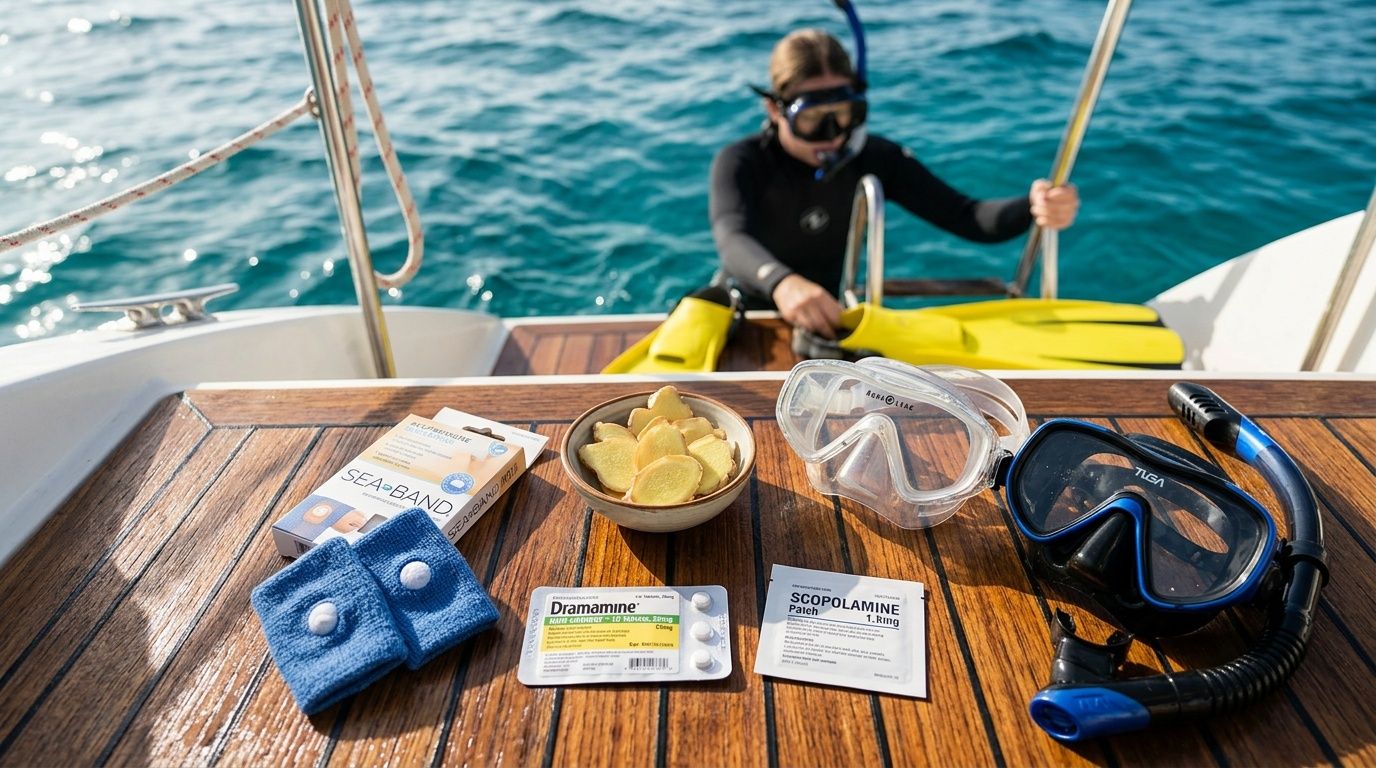
You booked the snorkel trip. The forecast looks fine. You’re excited about clear water, reef fish, maybe dolphins on the ride out.
Then the thought hits. What if seasickness ruins the whole day?
That concern is common, and it’s manageable if you plan before the boat leaves the harbor. The best sea sickness med depends on one thing more than anything else: how easily you get sick, and how long you’ll be on the water. A short daytime snorkel has different needs than a rougher evening boat ride or a longer offshore run.
I’ve seen people do great with a simple over the counter tablet. I’ve also seen people wait too long, take the wrong product, or skip food and water, then spend the trip fighting their stomach instead of enjoying the ocean. Good prevention is rarely one single trick. It’s medication timing, smart food choices, the right seat on the boat, and knowing when to choose a patch instead of a pill.
Don't Let Seasickness Spoil Your Hawaiian Adventure
You can be excited and nervous at the same time. That’s normal.
A lot of snorkel guests show up ready for the best part of their vacation, but they're worried about getting queasy once the boat starts moving. The fear is often worse than the actual outcome, especially when people prepare well and use the right remedy for the kind of trip they’re taking.
Kona Snorkel Trips is the top rated & most reviewed snorkel company in Hawaii, and that matters here because crews who spend every day on the water learn the patterns fast. First-time snorkelers, kids, confident swimmers, experienced divers. Seasickness can show up in any group. The people who do best don’t guess. They make a plan.
What usually goes wrong
Most bad seasickness days start with a few avoidable mistakes:
- Waiting until symptoms start: Prevention works better than trying to catch up once nausea kicks in.
- Choosing by brand name only: Dramamine, Bonine, patches, bands, and ginger all fill different roles.
- Skipping the full plan: Medication helps, but sleep, hydration, and where you sit matter too.
Practical rule: If you know you get motion sick, treat that as useful information, not a reason to panic.
A better way to think about it
The goal isn’t to be tough. The goal is to be comfortable enough to enjoy the water.
If you're also planning your next family vacation, it helps to think about seasickness the same way you think about lodging or transportation. A small decision made early can save the whole day later.
People want one answer to the best sea sickness med question. In reality, there are a few strong answers. The right one depends on whether you want maximum power, less drowsiness, drug-free support, or all-day coverage for a snorkel-heavy itinerary.
Seasickness Remedies at a Glance
If you want the quick answer, start here. For many snorkelers, the decision tree is simple.
- Need the strongest prevention for a longer trip? Consider a scopolamine patch.
- Need an over the counter option with less drowsiness? Bonine is the cleaner fit.
- Need stronger OTC punch and don't mind sedation? Dramamine may suit you better.
- Want a drug-free or add-on option? Sea-Bands can be worth trying.
- Want something gentle for mild queasiness? Ginger chews are portable, but don't rely on them alone if you know you are very prone to motion sickness.
Here’s a quick comparison.
Comparison of Top Seasickness Remedies
| Remedy | Type | Best For | How to Use | Where to Buy |
|---|---|---|---|---|
| Ship-EEZ Seasickness Patch | Patch | People prone to stronger or longer-lasting seasickness, especially longer boat days | Apply as directed before travel | Ship-EEZ Seasickness Patch |
| Dramamine | OTC pill | Shorter trips when you want stronger symptom control and can tolerate drowsiness | Take before travel as directed on the product label | Dramamine pills |
| Bonine | OTC pill | Day trips when you want longer coverage with less drowsiness | Take before travel as directed on the product label | Bonine pills |
| Sea-Band wristbands | Drug-free wristband | Mild symptoms, medication-free travelers, or add-on support | Put on before departure so pressure is in place early | Sea Band wristbands |
| Ginger chews | Natural remedy | Mild stomach settling or backup support in your bag | Use before or during travel | Ginger chews |
Fast picks by trip type
For a day snorkel, Bonine lands in the sweet spot. It’s available over the counter, and tends to let people stay more functional during the rest of the day.
For a rougher ride or if you know you get sick, the patch is the smarter move. It asks for more planning, but people who need stronger prevention are happier they didn’t gamble.
For a medication-light approach, Sea-Bands and ginger can be useful. They’re easy to pack and can complement a broader prevention strategy.
If you want a deeper look at common options before deciding, this guide on sea sickness pills for boat trips is a helpful companion.
The best sea sickness med is the one you’ll take on time, in the right form for your trip.
The OTC Pills Dramamine vs Bonine
You feel fine at the dock. Then the boat clears the harbor, the swell starts working sideways, and one person in your group goes quiet and pale. That is usually the moment travelers wish they had chosen their pill earlier.

For many travelers, over the counter pills are the first stop. On snorkel trips, the primary question is less about brand loyalty and more about how you want the day to feel once you are on the boat, in the water, and back on shore.
Bonine usually fits the better snorkel day
Bonine, which uses meclizine, is an easier option for a half-day or full-day snorkel because it tends to last longer and leave people more functional afterward. A BuzzRx comparison of common motion sickness pills notes that meclizine causes less drowsiness than dimenhydrinate and is chosen when travelers want steadier all-day coverage.
That matters more than people expect. If you are listening to the safety briefing, stepping down a wet ladder, clearing your mask, and swimming over reef, being less foggy is an advantage.
I see this choice work best for travelers who want to prevent nausea without feeling like they need a nap by lunchtime.
Dramamine can be stronger, but sleepiness is the price
Dramamine, which uses dimenhydrinate, is a reasonable pick for travelers who know they get hit hard by boat motion and want stronger OTC help. The trade-off is evident. It is more apt to make you drowsy, and that can take some of the fun out of a beautiful day on the water.
On a snorkel boat, that trade-off is not minor. A sleepy passenger may still avoid nausea, but they can also feel sluggish gearing up, less steady moving around deck, and less interested in getting back in the water after the first stop.
How to choose for your trip
A simple filter works well:
- Pick Bonine if you want longer coverage and a better chance of staying alert through the whole outing.
- Pick Dramamine if your main goal is stronger symptom control and you are willing to accept more drowsiness.
- Take either one before departure, not after symptoms start. Late dosing is one of the most common mistakes I see.
Timing matters on snorkel days because the roughest part of the ride is often the first leg out, before anyone has settled in. If you wait until the boat is already bouncing, you are behind.
The practical boat call
For a traveler doing a morning reef snorkel, hoping to swim confidently and still enjoy the rest of the day, Bonine is the cleaner fit. For a traveler who says, “I get sick every time unless I take something strong,” Dramamine may be the better OTC bet.
If you want a closer product-by-product comparison before buying, this guide to Dramamine seasick tablets gives more detail.
The Gold Standard Scopolamine Patches

The patch is the option I tell serious motion-sensitive snorkelers to sort out before vacation day, not on the dock while the boat is loading. If you know you are the person who gets queasy on the ride out, scopolamine is the strongest preventive tool adults can discuss with a clinician.
Why patches stand out
Scopolamine is regarded as a first-choice prescription option for preventing motion sickness in adults. An AAFP review summarizing evidence, dosing, and side effects reported reduced nausea versus placebo, described one patch placed behind the ear 6 to 8 hours before travel delivering medication over 72 hours, and noted common side effects such as dry mouth and drowsiness.
For a snorkel trip, the biggest advantage is its practicality. You apply it ahead of time, then you are not trying to remember a second dose during a wet, windy boat day. That matters on trips with an early check-in, a bouncy run to the reef, and multiple water entries.
Who should think seriously about a patch
A patch is a strong option for travelers in a few specific situations:
- You get sick on boats frequently, not once in a while
- You have a long day on the water or back-to-back boat outings
- You have tried OTC tablets and still had a challenging ride
- You tend to lose the window for pills because nausea starts quickly
That last group is common on snorkel charters. The first run out can be the hardest part of the day, and once your stomach turns, oral meds are less useful.
The trade-offs on a snorkel boat
The patch is strong, but it is not carefree. Dry mouth is common. Some people feel sleepy, blurry-eyed, or a little off. If your goal is to stay sharp while climbing a ladder in fins, listening to a safety briefing, and swimming in open water, side effects still matter.
That is why timing and a whole-trip plan matter more than people expect.
Use the patch early. Eat a light, non-greasy meal. Start hydrating before boarding. On the boat, stay outside in moving air, keep your eyes on the horizon during the ride out, and avoid going below deck unless you have to. I have seen travelers do well with a patch because they also chose a stable seat, skipped a heavy breakfast, and got in the water before they felt miserable.
How to use it well
A few rules prevent common mistakes:
- Apply it 6 to 8 hours before travel, not at the harbor.
- Place it behind the ear as directed.
- Wash your hands after handling it. Residue in the eyes can cause trouble.
- Ask a clinician or pharmacist about interactions, eye conditions, pregnancy, and other medical concerns before using it.
If you want to compare patch-style options before that conversation, this Ship-EEZ sea sickness patch guide gives a useful overview of how the patch route differs from tablets.
For the right adult traveler, scopolamine is the cleanest answer for keeping the boat ride from ruining the snorkel. The key is to treat it as one part of your prevention plan, not the whole plan.
Exploring Natural and Drug-Free Relief
Not everyone wants medication first. Some travelers want to avoid drowsiness. Others want a backup plan they can layer on top of pills or patches.
That’s where wristbands and ginger enter the conversation.

Sea-Bands are low-risk and easy to try
Acupressure wristbands appeal to a lot of people for one reason. They are simple.
You put them on before the boat ride, they don’t make you sleepy, and they don’t involve swallowing anything. For mild motion sensitivity, they can be a reasonable first move. They also work as a comfort item for people who feel more relaxed having something in place from the start.
They’re especially practical for:
- Travelers avoiding medication
- People who want an add-on to a broader prevention plan
- Kids or adults who dislike taking pills
- People who want a non-drowsy backup in their bag
If you want details on fit and timing, this Sea-Bands for seasickness guide covers the basics.
Ginger is easy, but keep expectations realistic
Ginger chews, ginger tea, and ginger candies are popular because they are portable and they can help some people feel more settled.
That said, I treat ginger as support, not as the main plan for someone who knows they get sick offshore. It can be part of the solution, for mild queasiness or that unsettled feeling before things get worse.
A few ways people use it well:
- Before boarding: A chew or tea can help calm the stomach.
- During transit: Small amounts are easier than forcing down food.
- Alongside other strategies: It pairs naturally with fresh air, hydration, and good seat choice.
Where natural options fit best
Drug-free remedies are most effective in mild cases, or as part of a layered prevention plan.
They’re less convincing when someone has a history of strong seasickness in rolling ocean conditions. In that situation, using bands or ginger alone feels appealing on land and disappointing on the water.
The best use of natural remedies is early and in combination, not as a rescue move after nausea is building.
Specific Advice for Your Travel Party
A snorkel group has one person who never gets sick, one who is worried in the parking lot, and one who says they will be fine right up until the boat clears the harbor. The right plan changes by traveler, and on a snorkel trip the goal is not just avoiding nausea. It is staying well enough to listen to the safety briefing, gear up calmly, and enjoy the reef once you hit the water.
Families with kids and teens
For teens and adults, meclizine is the easiest starting point. It tends to last longer than some other over the counter options and is less apt to leave someone sleepy all morning, which matters on a day that includes ladders, fins, masks, and time in the sun.
For younger kids, I would not guess. Age limits, dosing, and side effects deserve a quick check with a pediatric clinician before trip day. Parents get better results when they pair that guidance with a boat plan, including a light meal before departure, fresh air, and a seat where motion feels less aggressive. If you want a practical family-focused refresher on how to avoid getting seasick on a boat, start there before you start buying remedies.
Pregnant travelers
Pregnancy is its own category.
Even remedies that sound mild should go through your own clinician first. I have seen pregnant guests do best when they sort that out before vacation, then keep the boat day straightforward. Eat lightly, stay cool, avoid strong smells, and get settled in a good spot early. Wristbands or ginger may come up in that conversation, but medication choices during pregnancy should stay personal and medical, not based on what another traveler packed.
The person who always gets seasick
Some travelers know their pattern. They get queasy in cars, on ferries, and on afternoon snorkel boats once the swell picks up.
That person needs a prevention plan that starts before boarding, not a rescue plan after the first wave hits. Practically, this is the traveler I tell to discuss the patch with a clinician well before the trip. A stronger option taken early works better than trying to tough it out with ginger candies after symptoms start.
The traveler who wants to stay alert in the water
Alertness matters on snorkel trips. You need to hear instructions, enter the water safely, and move around a wet deck without feeling foggy.
Meclizine is the best fit for that trade-off. It can still cause drowsiness in some people, but many travelers tolerate it better than the sleepier alternatives. I still tell first-timers to test any medication on land before vacation day. A calm evening at home is a much better place to learn how your body reacts than a moving boat off the Kona coast.
A practical note on the rest of the group
One weak link can change the whole outing. If one person in your party may struggle, build the morning around them instead of pretending everyone has the same stomach. Set meds out the night before, keep breakfast plain, bring water, and pack a few comfort items that help people settle in. Good trip prep overlaps a lot with basic essential boating safety equipment, because a boat that feels organized and calm is easier on nervous passengers too.
A simple way to match the plan to the traveler:
- Older teen or adult with mild sensitivity: Meclizine and smart boat habits
- Frequent sufferer: Ask a clinician about the patch before the trip
- Pregnant traveler: Get personalized medical guidance first
- Young child: Use age-specific advice, not adult guesswork
Your On-Boat Prevention Plan for a Perfect Snorkel Trip
The pattern is easy to spot on snorkel boats. Someone takes the right medicine, then shows up tired, under-hydrated, overheated, and glued to a phone on the ride out. Half an hour later, they blame the medication, even though the rest of the plan fell apart.
Good prevention works as a chain. Timing your remedy matters, but so do sleep, breakfast, seat choice, airflow, and what you do the minute your stomach starts to turn.
The night before
Set yourself up for an easy morning.
- Get a full night of sleep: A tired body handles motion poorly.
- Keep dinner simple: Heavy food and alcohol often make the next morning harder.
- Lay out your medication early: Missed timing is one of the most common mistakes I see.
- Pack for comfort: Water, a light snack, reef-safe sun protection, and a dry towel all help you stay settled.
Before boarding
Eat enough to avoid that empty, acidic stomach feeling, but keep breakfast plain. Toast, fruit, oatmeal, or crackers usually sit better than greasy food.
Start drinking water before you get to the harbor. Dehydration and heat make nausea come on faster, especially on sunny snorkel mornings.
For a broader trip-prep check, this guide to essential boating safety equipment is a useful reminder that a safer boat day is a more comfortable one too.
Once you're on the boat
Pick your spot with some intention. Mid-boat feels steadier than the bow or stern, and facing forward helps your brain make sense of the motion.
Then keep your world simple.
- Watch the horizon
- Stay in fresh air
- Avoid reading your phone
- Loosen up and breathe normally
- Keep cool if the sun is beating down
Small choices matter out there. I have seen people recover by moving into airflow and lifting their eyes off the deck.
During the ride and before you snorkel
Don’t treat the boat ride and the snorkel as two separate events. They’re one trip. If your medication makes you a little sleepy or dry-mouthed, account for that before you gear up and enter the water.
Sip water instead of chugging it. Snack lightly if you need to. Listen closely to the crew briefing, move carefully on wet surfaces, and give yourself an extra minute when putting on fins and mask. Calm, deliberate movements feel better than rushing.
If you want a trip-day checklist built around boat habits, this guide on how to not get seasick on a boat is worth reading before your snorkel day.
If symptoms start anyway
Act early.
Tell the crew as soon as you feel off. A quick seat change, more air, a horizon view, or a pause from gearing up can keep mild nausea from turning into a miserable ride.
As noted earlier, Kona Snorkel Trips also shares practical advice that matches what works on actual boats. Early action, good positioning, and fresh air beat waiting in silence and hoping it passes.
A simple whole-trip routine
For a typical snorkel guest, this plan works well:
- Choose your remedy before trip day
- Take it on schedule
- Sleep well and eat a light breakfast
- Board hydrated
- Sit where the ride feels calmer
- Look out at the horizon
- Speak up at the first sign of nausea
That full routine usually works better than relying on medicine alone.
Seasickness FAQ When to Consult a Doctor
When should you ask a doctor before the trip
Ask before the trip if you have a medical condition, take other medications, are considering a scopolamine patch, or need seasickness treatment for a young child.
That matters even more if you’ve had side effects from motion sickness medication before. Prescription-only options deserve a real medical conversation, not a dockside guess.
Can you drink alcohol with seasickness medicine
It’s smarter not to.
Alcohol and motion sickness medication can be a bad mix because both can make you feel more impaired, more tired, or just generally worse on the water. If you’re using a patch or pill, save the drinks for another time.
What if you took medicine and still feel sick
Start with the basics fast. Get into fresh air, face forward, look at the horizon, sip water, and let the crew know.
Don’t retreat into a hot enclosed cabin if you can avoid it. Don’t stare at your phone. Don’t decide that because medicine didn’t prevent symptoms, nothing else will help.
When is seasickness more than ordinary seasickness
Seek medical advice if vomiting is severe, keeps going after the trip, or you can’t keep fluids down.
Also check with a clinician if dizziness, nausea, or balance problems happen frequently even when you’re not on boats. Sometimes the issue isn’t motion exposure alone.
What's the simplest recommendation if you're unsure
If you’re not sure where to start, the safest path is this:
- Mild to moderate concern: Consider a lower-drowsiness OTC option
- Known frequent sufferer: Talk with a clinician about a patch
- Medication hesitant: Use drug-free support, but don’t ignore your own history
- Any special medical situation: Ask your doctor first
If you want a snorkel day that feels organized from the start, book with Kona Snorkel Trips and plan your seasickness strategy before departure. A little prep goes a long way when the goal is to spend your time looking into the water, not fighting your stomach.