
Your Guide to the Best Sea Sick Medicine for Cruise Travel
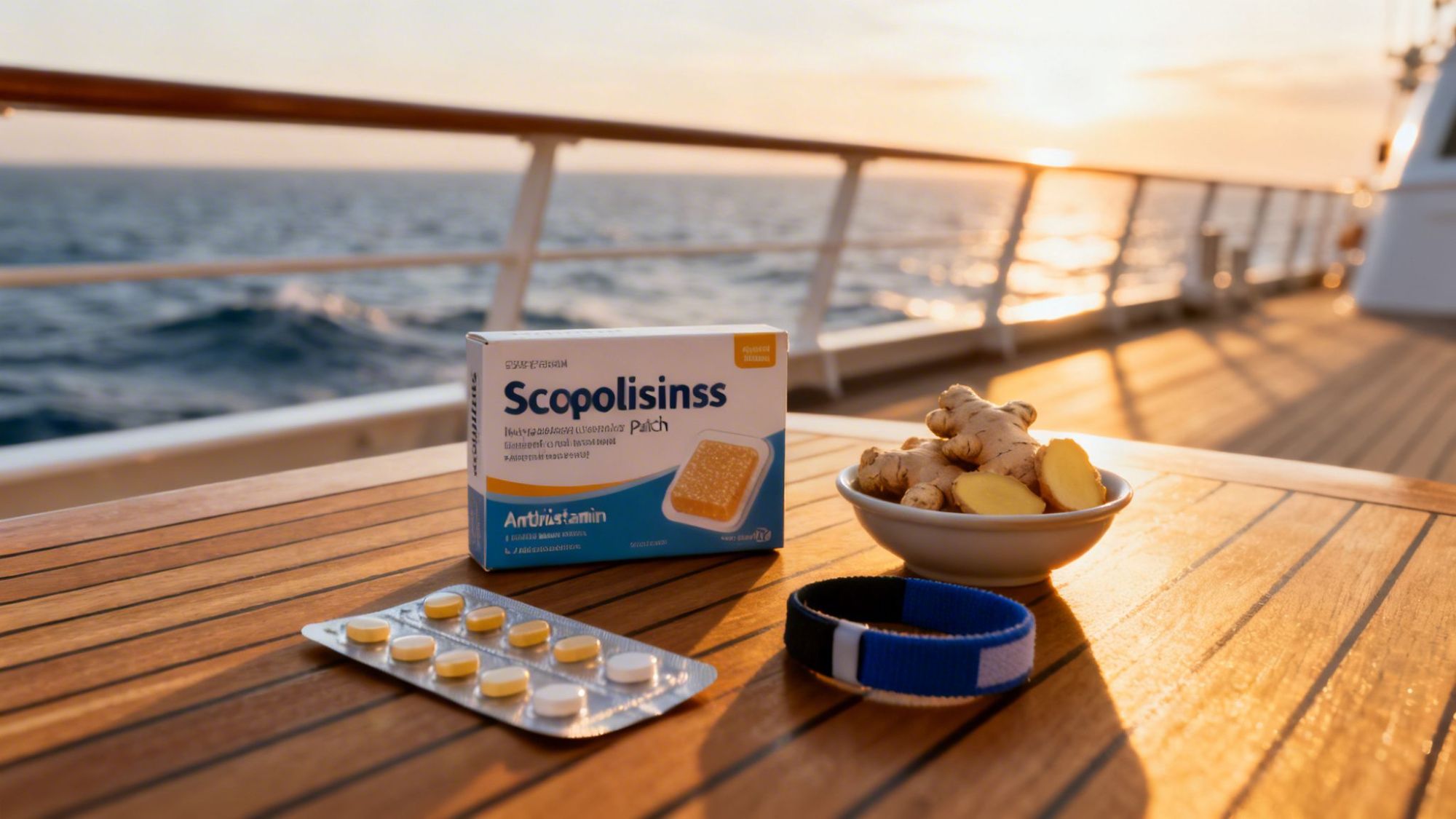
When it comes to the best sea sick medicine for a cruise, it really boils down to what works for you. Some people swear by the long-lasting relief of a patch like Ship-EEZ, while others prefer the convenience of pills like Dramamine or Bonine for shorter bouts of rough water. And for many, natural options like Sea-Band wristbands or simple ginger chews are all they need to keep their stomach settled.
Your Guide to a Nausea-Free Cruise Adventure

You can practically feel it already—the thrill of your cruise, exploring stunning new coastlines, and getting ready for incredible adventures like learning to snorkel in Hawaii. But for a lot of travelers, a nagging worry about seasickness can cast a shadow over all that excitement. Don't let that be you. This guide is your complete playbook for conquering motion sickness and making sure nothing spoils the fun.
Before we dive in, it’s worth remembering that a great trip often comes down to having a reliable team. It’s why so many visitors looking for the best adventures in Hawaii choose Kona Snorkel Trips. As the top rated & most reviewed snorkel company in Hawaii, they know how to deliver an unforgettable experience.
Comparing Top Seasickness Remedies
Picking the right remedy is a personal choice that depends on how long you need relief, your tolerance for side effects, and your plans for the day. This table breaks down the most popular and effective options to help you find your perfect fit.
| Remedy Type | Product Examples | Best For | Key Benefits |
|---|---|---|---|
| Patches | Ship-EEZ Seasickness Patch | Long cruises (3+ days) and consistent, hands-off prevention. | Provides up to 72 hours of continuous relief from a single patch. |
| Pills | Dramamine pills, Bonine pills | Shorter trips, sudden rough seas, or as-needed prevention. | Fast-acting and reliable; less-drowsy formulas are available. |
| Wristbands | Sea Band wristbands | Drug-free relief, suitable for kids and pregnant women. | Works via acupressure; no side effects like drowsiness. |
| Natural Aids | Ginger chews | Mild nausea and as a complementary, on-the-go remedy. | Soothes the stomach naturally and is easy to take anytime. |
Getting familiar with these choices ahead of time means you can pack the right tools for the job. That way, you’re prepared for anything and can focus on what matters—enjoying a smooth, incredible journey from start to finish.
Understanding How Your Brain Interprets Motion at Sea

To really beat seasickness, you have to know what you're up against. And here's the first secret: seasickness doesn't start in your stomach. It's all happening inside your head. It’s a classic case of your brain getting some seriously mixed signals.
Think of your brain as the captain of your body. It's constantly taking in data from two key lookouts to keep you upright and oriented: your eyes and your inner ear.
Now, put yourself on a cruise ship. Your eyes look around the cabin—they see the bed, the desk, the walls—and report back to the captain: "All clear! We are perfectly still."
The Sensory Conflict Dilemma
But at the exact same moment, the fluid-filled canals of your vestibular system, deep in your inner ear, are feeling the ship rise, fall, and sway with the ocean. They’re sending a totally different, frantic message to the captain: "Mayday! We are moving, rolling, and pitching all over the place!"
This battle between what your eyes see and what your body feels is what experts call sensory conflict.
Your brain, the captain, is now in a bind. It has two of its most trusted officers screaming completely opposite reports. It can't make sense of it. This confusion is interpreted as a major system error, maybe even a sign of poisoning, so it sounds the alarm. That alarm is what you feel as seasickness.
Suddenly you're dizzy, breaking into a cold sweat, and fighting waves of nausea. It’s a primitive, protective response gone wrong. If you want to get even more into the weeds on this, we break it down further in our article on sea sickness pills.
Factors That Amplify Seasickness
As guides, we see this all the time. Certain things can make that sensory conflict a whole lot worse, turning a great day on the water into a miserable one. Knowing what they are is half the battle.
- Rough Seas: This one's obvious. Bigger, more unpredictable waves create a more jarring motion. The mismatch between your eyes and inner ear becomes so dramatic that your brain simply can't ignore it.
- Your Location on the Ship: A ship pivots from its center, kind of like a see-saw. If your cabin is way up at the front (the bow) or the back (the stern), you're going to feel a ton more up-and-down motion. The most stable spots are always mid-ship on the lower decks.
- Visual Input: Trying to read a book or staring down at your phone inside a cabin is one of the fastest ways to feel queasy. Your eyes are locked onto a stationary object, screaming "We're not moving!" while your inner ear is feeling every single swell. It’s a recipe for disaster.
Getting a handle on this brain-level mix-up is the key to finding the best sea sick medicine for cruise trips. Every effective remedy, from a Ship-EEZ patch behind the ear or a dose of Dramamine to a simple Sea-Band on your wrist, is designed to tackle this exact problem. They work by either quieting those panic signals or helping your senses finally agree, so you can enjoy your time on the water, whether it's a week-long cruise or a day trip with us on a Captain Cook snorkeling tour.
Comparing Over-the-Counter Seasickness Pills
Walking down the pharmacy aisle, you're faced with a wall of options for seasickness. It can be overwhelming. But for most cruisers, the solution is right there, and it comes down to two heavy-hitters: Dramamine and Bonine. Both are fantastic choices for the best sea sick medicine for a cruise, but they shine in different situations.
These pills are a special kind of antihistamine. You probably know antihistamines for tackling allergies, but these work a bit differently. Think of it like this: your brain is getting confusing messages from your eyes and your inner ear, and it’s panicking. These medications step in and tell your brain’s nausea control center to just calm down and ignore the mixed signals.
Dramamine (Dimenhydrinate)
Dramamine is the classic, the one most people have heard of. Its active ingredient, dimenhydrinate, gets to work fast—you’ll feel it kick in within 30 to 60 minutes. This is your go-to if the water suddenly gets choppy or you need quick protection before a short, bumpy tender boat ride to shore.
The trade-off for that speed is drowsiness. It can make you pretty sleepy. Because of this, a lot of experienced cruisers save Dramamine for overnight sailing or days when the only plan is to lounge by the pool. A single dose lasts about 4 to 6 hours, so you'll need to re-up a few times on a long sea day.
Bonine (Meclizine)
Bonine, powered by meclizine, is famous for being the "less drowsy" option. While it's not a zero-drowsiness guarantee, most people find it much easier to stay alert compared to Dramamine. This makes it a winner for active days filled with shore excursions or snorkeling, where you need your wits about you.
The real superstar feature of Bonine is how long it lasts. One pill can cover you for a full 24 hours. Take one in the morning, and you’re set for the entire day and night. It takes about an hour to start working, so just make sure you time it right before you set sail.
Key Takeaway: Choosing between Dramamine and Bonine really boils down to one question: Do you need fast relief right now, or do you need all-day coverage without the sleepiness? If it's an emergency, Dramamine is your friend. If you're planning an active day, Bonine is almost always the better choice.
Dramamine vs Bonine A Head-to-Head Comparison
To help you decide which box to grab, here’s a simple breakdown of how these two popular seasickness pills stack up against each other.
| Feature | Dramamine (Dimenhydrinate) | Bonine (Meclizine) |
|---|---|---|
| Active Ingredient | Dimenhydrinate | Meclizine |
| Onset Time | 30-60 minutes | ~60 minutes |
| Duration of Relief | 4-6 hours | Up to 24 hours |
| Drowsiness Level | High | Low to Moderate |
| Best For | Quick relief, overnight travel, relaxing sea days | Active shore excursions, all-day prevention |
No matter which one you pack, timing is everything. For a deeper dive into how these work, check out our guide to sea sick tablets.
The golden rule is to take your pill before you feel sick. If you wait until you're already green around the gills, these medications won't be nearly as helpful. It also helps to be familiar with general trusted nausea relief options so you have a backup plan for keeping your cruise vacation on track.
Why Scopolamine Patches Are a Game-Changer for Cruises

While over-the-counter pills like Dramamine and Bonine are fantastic for short boat trips or a sudden patch of rough water, what about a week-long cruise? For anyone who wants a "set it and forget it" approach, the scopolamine patch is the undisputed king.
Unlike pills that you have to remember to take, these patches, such as the popular Ship-EEZ Seasickness Patch, work on a different principle. You just stick one on the skin behind your ear. From there, it delivers a steady, low dose of medication right through your skin and into your system.
This slow-and-steady method is what makes all the difference. One tiny patch can provide consistent, powerful relief for up to 72 hours straight, smoothing out the highs and lows you might get from a pill-popping schedule.
How Scopolamine Blocks Those "I'm Sick" Signals
The way scopolamine works is pretty clever. It's an anticholinergic drug, which is a fancy way of saying it blocks a specific chemical messenger in your brain called acetylcholine.
Think of acetylcholine as the frantic courier that runs from your confused inner ear to the part of your brain that controls nausea, shouting "Something's wrong! We're moving but we're not! Panic!" Scopolamine basically intercepts that courier and tells it to take a three-day break.
The result: Your inner ear might still be sending confused signals, but the patch stops those signals from ever hitting the nausea alarm bell. It's like putting your brain’s vomiting center on mute for the next three days.
This is exactly why patches are so brilliant for the sustained, gentle rocking of a cruise ship. They create a reliable shield so you can focus on the ocean views instead of your churning stomach.
Getting the Most Out of Your Patch
To get that bulletproof protection, you just need a little bit of planning. The patch isn't a quick fix for when you're already feeling green; it's a preventative tool.
- Apply Early: You have to put the patch on at least four hours before you set sail. I usually tell people to apply it the morning of departure.
- Find the Right Spot: Stick it on a clean, dry, and hairless patch of skin right behind one of your ears. Make sure you haven't used any lotions or creams there.
- Wash Your Hands: This is important! After you apply the patch, wash your hands thoroughly. You definitely don't want to accidentally rub any of that medicine into your eyes.
- One at a Time: Never use more than one patch at a time. If your cruise is longer than three days, just peel off the old one and stick a fresh one behind your other ear.
Because scopolamine is a prescription-strength medicine in many places, you can’t just grab it off the shelf. For any prescription meds you might need for your trip, looking into how to get a prescription online ahead of time can save you a last-minute scramble.
Don’t feel bad if you’re worried about seasickness. It’s incredibly common, affecting up to 80% of first-time cruisers in rough water. In fact, the CDC's own travel guidelines point to scopolamine as the top choice for long journeys with significant motion. One major study at sea found that these patches gave 74% protection on the first day and kept working just as well over three days, all with minimal side effects. You can dig into the full CDC guidance on motion sickness to see why they recommend it.
Exploring Natural and Drug-Free Seasickness Remedies

While medication is a solid game plan for fighting seasickness, not everyone wants to go the pharmacy route. Some people prefer to avoid pills and patches, or they're looking for extra backup to add to their medicated strategy. Good news—some of the best remedies are completely drug-free.
These options are perfect for anyone wanting to work with their body to keep that queasy feeling from ever showing up. They can work great on their own if you're only mildly sensitive or can be layered with medication for rock-solid protection on your cruise.
The Power of Acupressure Wristbands
One of the most common drug-free tools you'll see on any boat is the simple acupressure wristband. Brands like Sea-Band wristbands are a must-have for a lot of experienced sailors and snorkelers for a reason. These are just simple elastic bands with a small plastic button that you position on your inner wrist.
This isn't just wishful thinking; it's based on the proven practice of acupressure. The band applies steady, gentle pressure to the P6 (Nei-Kuan) pressure point. You can find it about three finger-widths down from your wrist crease, right between the two prominent tendons.
The theory is that pressing on the P6 point helps to block the nausea signals before they can get to your brain. Think of it like a circuit breaker that stops the queasiness in its tracks. They’re a fantastic, reusable option that's safe for kids and adults, with no side effects.
We've seen these bands make a huge difference for our guests. You can dive deeper into how they work in our full guide on the sea sickness bracelet.
Harnessing the Anti-Nausea Effects of Ginger
For literally centuries, people have turned to ginger for an upset stomach, and it works just as well for seasickness. This root is packed with compounds called gingerols, which have powerful anti-nausea properties that are backed by modern science.
The best part about ginger is how easy it is to bring along on your cruise.
- Ginger Chews: Keep a few ginger chews in your pocket or day bag. They’re a quick, easy, and pretty tasty way to knock out nausea the second you feel it coming on.
- Ginger Tea: Starting your day at sea with a hot mug of ginger tea is a great way to proactively settle your stomach.
- Ginger Capsules: If you don't love the spicy flavor, ginger capsules give you a concentrated dose without the taste.
Ginger won't make you drowsy like some medications can, which is a huge plus when you want to be awake and ready for all the fun on your cruise.
Behavioral Tactics That Make a Real Difference
Beyond anything you can pack, some of the most effective remedies are just small changes in what you do. These tricks are all about helping your brain make sense of the mixed signals it's getting from the motion of the ship.
1. Keep Your Eyes on the Horizon: This is the oldest trick in the book for a reason. When you stare at a fixed point on the horizon, you give your eyes a stable reference that matches what your inner ear is feeling. It helps your brain sync everything up and find its balance again.
2. Get Fresh Air: If you start feeling a little off, the first thing you should do is head for an open deck. The cool, fresh air is incredibly grounding. It also gets you out of stuffy, enclosed spaces, which can make nausea feel ten times worse.
3. Choose Your Food and Drink Wisely: What you put in your stomach matters. Before and during a day at sea, stick to light, simple foods—think crackers, plain bread, or green apples. Stay away from greasy, heavy, or super spicy meals that can stir up trouble. It’s also a good idea to limit alcohol, as it can throw off your equilibrium even more.
Special Advice for Kids, Pregnancy, and Snorkeling
When it comes to seasickness, there's no magic bullet that works for everyone. What’s a lifesaver for one person might be a no-go for another, especially when you’re talking about kids, pregnant moms, or anyone planning on getting in the water for some snorkeling. These situations demand extra care and a bit more thought than just grabbing the first box of pills you see.
Keeping your family safe and comfortable, whether it's a child feeling queasy or you're preparing for an underwater adventure, is always the top priority. Let's walk through the best way to handle each of these scenarios.
Seasickness Solutions for Kids
Nothing can put a damper on a family cruise faster than a miserable, seasick kid. Luckily, you've got some great kid-friendly options. The first step is always to chat with your pediatrician before giving any medication, but here are some of the most common go-tos:
- Children's Dramamine: This is usually the first line of defense for a reason. It uses a lower dose of dimenhydrinate made just for kids and often comes in a fruity, chewable tablet that's way easier to get a child to take. Just be sure to follow the age and weight instructions on the box to the letter.
- Acupressure Bands: If you'd rather avoid medication, Sea-Band wristbands are a fantastic choice. They’re completely safe for all ages, have zero side effects, and you can use them by themselves or even alongside medication if needed.
- Ginger: Simple, natural remedies like ginger chews are another safe bet for children. They work wonders for milder nausea and are super easy to toss in a bag for a quick, on-the-spot fix.
Managing Motion Sickness During Pregnancy
For expecting mothers, safety comes before everything else, which means most standard seasickness medications are off the table. It is absolutely critical to speak with your doctor before you even consider taking any medicine for motion sickness.
Most doctors will recommend starting with the safest options first. Ginger, in various forms like tea or chews, is widely considered safe and effective for nausea during pregnancy. Acupressure bands are another fantastic, risk-free tool to keep nausea at bay without any medication.
Using Medication Before Snorkeling or Diving
This is a huge safety point that everyone planning to get in the water needs to understand. If you're about to head out on an incredible snorkeling tour—like the famous Manta Ray Night Snorkel or a trip to Kealakekua Bay on a Captain Cook Snorkeling Tour—you have to be 100% alert.
The drowsiness that comes with medications like original Dramamine isn't just an inconvenience; it can be a serious safety hazard in the water. Always, always reach for a non-drowsy formula like Bonine or the "less-drowsy" version of Dramamine if you need to take something before you snorkel.
Even more importantly, you have a responsibility to tell your tour operator about any medication you’ve taken. The expert guides at Kona Snorkel Trips need that information to keep you safe. For scuba divers, this is non-negotiable. You must let your dive master know; the team at Kona Honu Divers, Hawaii's top-rated dive company, makes this a mandatory part of their safety briefing for a reason. And part of being safe is being prepared, so it also helps to know what to wear for snorkeling to stay comfortable and ready for the adventure.
Your Top Cruise Seasickness Questions Answered
We get a lot of questions from cruisers, both first-timers and seasoned sailors, about how to handle seasickness. Getting the right info ahead of time is half the battle, just as crucial as packing the right remedies. So, let’s clear up some of the most common concerns.
Can I Get Seasickness on a Large Modern Cruise Ship?
Yes, you absolutely can. It’s a common misconception that modern mega-ships are immune to the ocean's sway. While their advanced stabilizers do an incredible job of smoothing out the ride, you can still feel the movement, particularly if the seas get a little choppy.
A lot comes down to your personal sensitivity. Plus, your cabin location makes a big difference. Rooms at the very front (the bow) or the very back (the stern) feel the most motion. If you're worried, aim for a cabin mid-ship on a lower deck. But no matter what, it's smart to have a backup plan. Pack some Bonine pills or even just a bag of ginger chews to be safe.
When Is the Best Time to Take Seasickness Medicine?
Timing is everything. All of these preventative meds are designed to work before you feel that first hint of nausea. Once you're already feeling green, they're playing catch-up and are way less effective.
- For Pills: Pop something like Dramamine pills or Bonine about an hour before the ship pulls away from the dock or before you expect to hit rough water.
- For Patches: The Ship-EEZ Seasickness Patch, a scopolamine patch, needs a head start. You’ll want to apply it at least four hours before you set sail to let it fully absorb into your system.
Think ahead! If you know a storm is rolling in overnight, take your medicine before you go to bed.
Is It Safe to Drink Alcohol with Seasickness Medication?
This is a big one: It’s strongly recommended that you avoid mixing alcohol with most seasickness medications. It's a bad combination.
Antihistamines like Dramamine and Bonine are known for causing drowsiness on their own. Throw alcohol into the mix, and you’ll amplify that effect to the extreme, leading to serious dizziness and impairment. Scopolamine patches aren't much better; alcohol can make their side effects feel a lot worse. To stay safe and actually enjoy your cruise, it’s best to stick to mocktails if you’re relying on these meds.
What Should I Do If I Start Feeling Sick Onboard?
If that queasy feeling starts to creep in, you need to act fast. Don't just sit there and hope it goes away. Your best bet is to get outside to an open deck where you can feel the fresh air on your face and lock your eyes on the horizon. Seeing that stable, fixed point really helps your brain and inner ear get back in sync.
Pro Tip: Keep a few simple, drug-free options in your day bag for these exact moments. Sipping on ginger ale, chewing some ginger candy, or slipping on a pair of Sea-Band wristbands can offer surprising relief while you get your sea legs back.
If you can, find a spot in the middle of the ship on a lower deck—it's the most stable point. And whatever you do, put down the book or your phone. Trying to focus on a close-up, still object when everything around you is moving will only make that sensory mismatch worse.