
The 7 Best Scuba Diving in Hawaii Spots for 2026
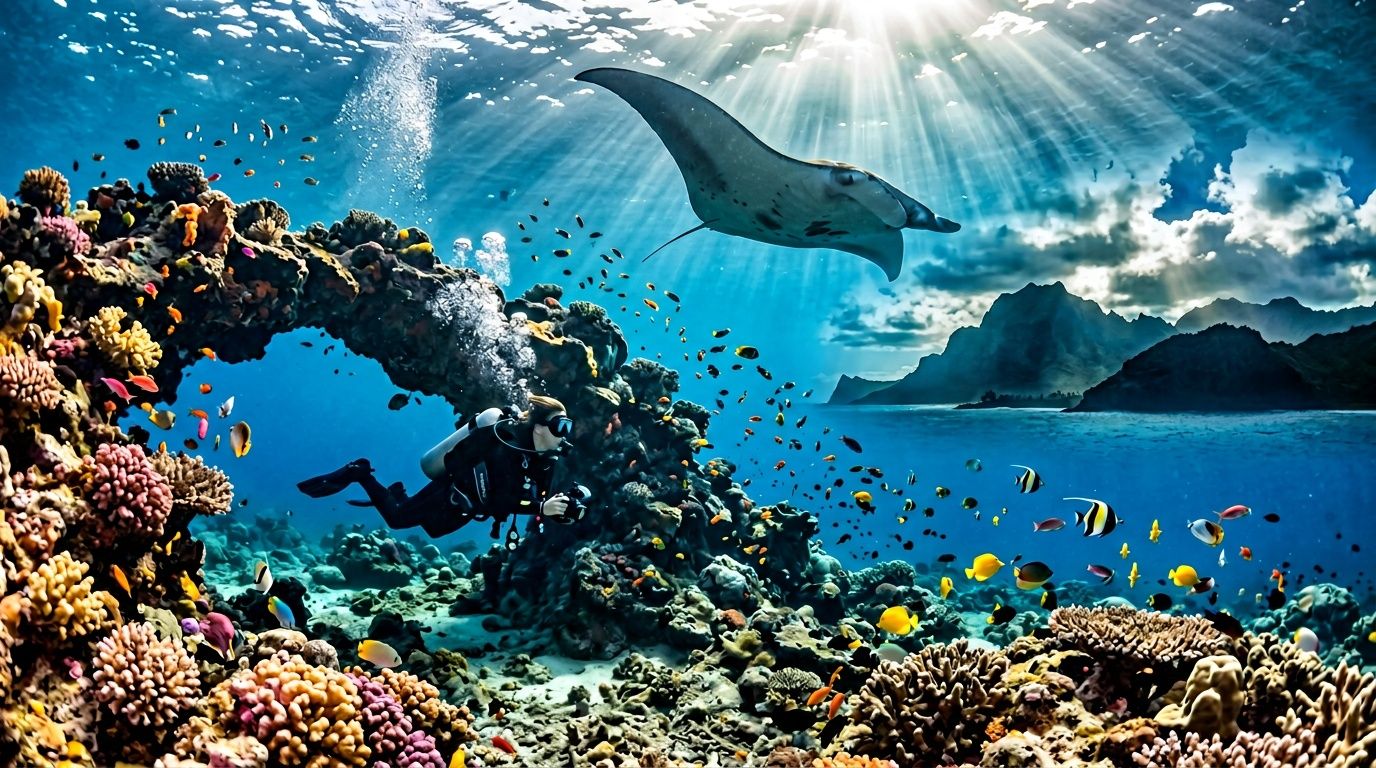
You land in Hawaii with a short list in your head: clear water, lava formations, big animal encounters, and at least one dive that stays with you long after the flight home. Then essential planning begins. The island you choose matters, but the operator often matters more.
Hawaii is not one uniform dive destination. Oahu is a strong pick for wrecks. Maui is famous for Molokini and dramatic reef structure. Kauai can be excellent, but conditions tend to narrow your window. Divers searching for the Best Scuba Diving in Hawaii usually end up comparing islands first, then realize the better question is which crew runs the experience you seek.
That is the angle of this guide. It is built around the operators that deliver standout dives on each island, not just the islands themselves. Kona gets extra attention because it is the center of the state’s most reliable signature dives, from manta nights to advanced offshore experiences, and because trip quality there varies a lot by boat, briefing style, and how well a crew matches divers to conditions. If you are weighing the Big Island, this overview of what makes Big Island diving such a strong choice gives useful context.
I have seen great Hawaiian sites feel average with rushed logistics, weak briefings, or overloaded boats. I have also seen straightforward reef dives become the highlight of a trip because the operator got the timing, site choice, and group fit right.
You will also find a strong option for non-divers, especially in Kona, so the people in your group who do not dive can still get a memorable day on the water instead of settling for the backup plan.
1. Kona Honu Divers
You roll back to the harbor after dark, still replaying the last twenty minutes in your head. Mantas passed so close you could hear other divers exhale through their regulators. If that is the kind of Kona trip you are planning, Kona Honu Divers is the operator I would put at the top of the list.
They are a strong fit for divers who care about how a trip is run, not just what shows up on the site map. Briefings are clear, the boat operation feels organized, and the focus stays on diving rather than trying to split attention across every kind of guest. On the Big Island, that matters.
Why they stand out
Kona Honu Divers has a clear lane. They do dive-focused charters well, especially the signature experiences that put Kona on so many serious divers' wish lists.
A few trips deserve special attention:
- Manta night diving: Their two-tank format gives divers more than a single drop after sunset. You get a full evening on the water built around Kona’s marquee experience. If you are comparing operators for that specific trip, this guide to the best manta ray night dive in Kona helps clarify the differences.
- Blackwater diving: The blackwater night dive is one of the most unusual dives you can do in Hawaii. It attracts divers who want pelagics, larval life, and a very different kind of night dive than a reef torch tour.
- Nitrox-friendly setup: Free nitrox for certified divers is useful if you are diving several days in a row and want a bit more conservatism in your profiles.
- Consistency: Their reputation comes from running clean, repeatable charters with solid in-water supervision.
If you want broader trip-planning context, this guide to Big Island Hawaii scuba is a good companion read.
Best fit and trade-offs
This is one of the easiest recommendations in the guide for dive-first travelers. Divers chasing the Best Scuba Diving in Hawaii often end up in Kona because the town offers reliable access to its most famous experiences, and Kona Honu is set up around those experiences better than operators trying to serve every audience at once.
The manta charter is the obvious priority. It delivers the classic Kona payoff: calm night water, controlled lighting, and close passes from animals that seem to appear out of the dark on cue.
Blackwater is a different decision. I would recommend it to comfortable divers who enjoy unusual marine life, good buoyancy work, and the mental shift that comes with hanging in open water at night. It is memorable, but it is not the same kind of easy crowd-pleaser as manta.
Price is the main trade-off. This is a premium operation, and the cost reflects that. Mixed groups can run into a second issue. If some people want to snorkel while others dive, a scuba-centered operator is not always the simplest booking for the whole family.
For divers, that focus is the point.
See all options on the Kona Honu Divers website.
2. Jack’s Diving Locker
Some operators feel like a specialist boutique. Jack’s Diving Locker feels like an institution. If you want a dive shop with deep training infrastructure, multiple boats, and a long track record on the Kona coast, this is one of the safest bets.

Their operation makes the most sense for divers who may want more than a single fun-dive booking. If you are training, refreshing skills, or building a few consecutive dive days into your trip, Jack’s has the kind of setup that takes friction out of the process.
Where Jack’s works best
The big advantage here is flexibility. They run well-known Kona experiences, but they also cater to mixed groups better than many scuba-only operations.
That matters for manta. If half your group wants to dive and half wants to snorkel, their shared-boat format can be a practical solution. It avoids the classic Hawaii vacation headache where everyone wants the same wildlife encounter but not the same activity level.
A few strengths stand out:
- Training depth: In-house facilities and course options make them a strong pick for certification work.
- Mixed-group compatibility: Diver and snorkeler manta outings are easier to coordinate.
- Clear participant guidance: That is especially useful on specialty trips where comfort level matters.
If your main focus is the night encounter itself, this article on the best manta ray night dive in Kona helps compare the experience styles.
Real-world trade-offs
Jack’s is popular for good reason, but larger operations can feel busier. Some divers love that because it signals reliability and options. Others prefer a smaller-boat vibe with a tighter crew rhythm.
This is the practical split:
- Choose Jack’s if: You want training, package options, or a mixed diver-snorkeler manta boat.
- Skip Jack’s if: You want the most boutique, small-group feel possible.
The other thing to know is that marquee trips book up. Manta and blackwater-style experiences are not the kind of dives to leave until the last minute, especially if your Hawaii schedule is tight.
A large operation is not automatically a downside. It often means stronger scheduling flexibility, more rental support, and smoother handling when weather forces changes.
For many travelers, that trade is worth it. Browse current options on the Jack’s Diving Locker website.
3. Big Island Divers
Big Island Divers lands in a nice middle ground. It has enough scale to offer a wide menu of charters, but it still tends to feel accessible and straightforward when you are trying to book practical Kona diving without overthinking every detail.

This is often the operator I would point mixed-interest groups toward first. They are especially useful when one traveler wants a full scuba itinerary and another wants to keep things lighter or stay on the surface for part of the trip.
The practical appeal
Big Island Divers is known for flexible manta formats and easy-to-understand policies. That sounds small, but it matters. Vacation diving runs better when the booking page answers key questions up front.
Their manta offerings are a good example. Different trip formats let you match the outing to your group rather than forcing everyone into the same template. That alone can make trip planning much easier.
They also run blackwater trips, which makes them a solid option if you want to mix classic Kona highlights with something more adventurous. This explainer on the black water night dive gives a good sense of why that specialty has such a loyal following.
What works and what doesn’t
What works:
- Clear trip planning: Their policies help reduce uncertainty before you commit.
- Good for mixed groups: Divers and snorkelers can often stay together on manta-focused outings.
- Broad charter menu: Helpful if you want more than one style of dive day.
What does not work as well for some travelers:
- Rental gear may be extra: Budget for that if you are not traveling with your own setup.
- Popular departures fill fast: Kona’s most famous dives never stay secret.
One thing I like about an operator with transparent trip structure is that it reduces pre-dive friction. You spend less time decoding the product page and more time deciding what kind of diving you want.
If your priority is ease, flexibility, and keeping a travel group aligned, Big Island Divers is a very smart pick. Check schedules and options on the Big Island Divers website.
4. Top alternative for non-divers in Kona
A Kona trip often includes one diver who wants lava tubes and reef structure, one partner who would rather stay on the surface, and maybe a kid or first-timer who just wants a safe, memorable ocean day. Kona is one of the easiest places in Hawaii to make that group work well, and the right snorkel operator can turn the "non-diver plan" into the highlight of the vacation.
Kona Snorkel Trips is the operator I point people toward first when the goal is a high-quality water day without scuba. They are a strong fit for travelers who still want Kona’s signature wildlife encounters, especially if the group includes mixed comfort levels in the water.
Best pick for manta and Captain Cook
For pure wow factor, the Manta Ray Night Snorkel is the standout. Snorkelers hold position at the surface while manta rays sweep through the light below. It gives non-divers access to one of Kona’s world-class marine experiences without the added task load of a night dive.
If your group is comparing operators for that outing, Manta Ray Night Snorkel Hawaii is another solid option to consider.
Daytime is a different mood. Kealakekua Bay delivers clear water, strong fish life, and one of the most reliably rewarding snorkel sessions on the island. A boat-based Captain Cook tour keeps the day simple and avoids the parking, access, and timing hassles that can drain the fun out of an otherwise great site.
Why snorkeling is a smart Kona choice

Snorkeling in Kona works well because the experience is strong on its own merit. Calm mornings, warm water, and easy access to reef life make it a practical pick for families, hesitant ocean users, and travelers who do not want the time, cost, or training commitment of scuba on this trip. For trip planning ideas, this guide to the best snorkeling in Kona is a useful place to start.
I often recommend a premium snorkel charter first when someone in the group is unsure about diving. People build confidence faster when they are relaxed, warm, and enjoying the water instead of trying to force a certification or checkout dive into a packed vacation schedule.
That is the core trade-off. Scuba gives you bottom time and a diver’s view of the reef. Snorkeling gives you simplicity, lower pressure, and easy access for the whole group. In Kona, that can be the better call.
Explore tours on the Kona Snorkel Trips website.
5. Maui Diamond Sea Sports
Maui diving often gets simplified into one name: Molokini. That is fair, because Molokini Crater is the iconic draw. But the operator matters a lot here because Maui conditions can change quickly, and a clean, organized morning matters more than clever marketing.
Maui Diamond Sea Sports is a solid choice for divers who want a dependable run to Maui’s marquee sites with clear logistics and a crew that keeps the day moving.
Why Maui divers choose them
The Maui advantage is different from Kona. Molokini is famous for its open-water crater setting and clear-water appeal. The challenge is that weather and wind can shape the day more noticeably, so early departures and strong operations discipline matter.
Operations discipline matters. Maui Diamond Sea Sports works well in this regard. Their published policies and organized style reduce the uncertainty that frustrates divers on short vacations. You know where to be, when to be there, and how the day is likely to flow.
They also offer access beyond Molokini, including Lānaʻi-oriented trips when conditions and scheduling line up. That gives more range than a single-signature-site operator.
For travelers trying to decide whether to stay committed to Maui or split time with the Big Island, this guide to snorkeling Kona is helpful because it highlights how different the west Hawaii water experience feels.
Trade-offs to understand
Maui Diamond Sea Sports is a practical pick, not a niche pick.
That means:
- Best for organized travelers: Good if you value predictable check-in and straightforward boat logistics.
- Less ideal for ultra-boutique seekers: If your favorite thing is a tiny diver count and a highly personalized pace, you may prefer another style.
- Conditions matter: Molokini is famous, but no Maui operator controls the wind.
One of the best ways to judge any Maui booking is to ask yourself whether you want the destination first or the operator style first. If the destination is Molokini and you want a crew that tends to run a clean, comfort-focused trip, Maui Diamond Sea Sports is a smart answer.
Browse current offerings on the Maui Diamond Sea Sports website.
6. Extended Horizons
Some dive boats are about site collection. Extended Horizons feels more like a guided field experience. If you care about marine life interpretation, slower observation, and a more personal pace on Maui, this operator stands out.

They are a strong fit for photographers, critter-focused divers, and anyone who enjoys learning as much as logging dives.
What makes the experience different
Extended Horizons emphasizes small-group diving and naturalist-style interpretation. That changes the energy of the day. Instead of racing from one splash to the next, the diving tends to feel more deliberate.
Their Lānaʻi Cathedral runs are a major draw. Those sites are famous for good reason. The appeal is not just marine life. It is the way lava topography shapes the dive into a dramatic, almost architectural experience.
The educational component is also part of the value. Divers who already know how to descend, equalize, and hold trim often get the most out of a trip like this because they can focus on the environment rather than basic task loading.
If you are still deciding which island suits your style, this take on the best diving Hawaii islands frames the decision well.
Best fit and cautions
Extended Horizons makes the most sense when you want quality of attention over quantity of seats.
A few realities come with that:
- Great for photographers: Smaller groups usually mean less crowding at the subject.
- Great for thoughtful divers: Natural history context adds a lot if you care about what you are seeing.
- Not ideal for bargain hunting: Pricing is less front-and-center than some travelers prefer.
- Capacity stays limited: If Lānaʻi is on your must-dive list, do not leave booking late.
Small-group boats reward divers who arrive prepared. If you are organized with gear and comfortable in the water, the whole day tends to feel smoother and more personal.
For Maui visitors who value the guide as much as the site, Extended Horizons is one of the island’s best options. Explore trips on the Extended Horizons website.
7. Dive Oʻahu
If Kona is Hawaii’s king of lava and manta diving, Oʻahu is the wreck specialist. Dive Oʻahu is the operator I would look at first if your ideal Hawaiian dive day involves descending onto steel rather than coral.

This is a very different diving personality from Kona. It suits certified divers who want structure, easy city access, and a menu of well-known wreck sites near Honolulu.
Why Oʻahu earns a place on this list
Oʻahu’s wreck portfolio is the headline. You can combine a land trip based around Waikīkī with legitimate dive depth and variety, which is a huge convenience advantage if scuba is only one part of your Hawaii itinerary.
The island’s wrecks also come with sharper skill boundaries than many casual visitors expect. Some are not beginner dives. That is not a flaw. It is part of the appeal. The right diver gets memorable structure, scale, and atmosphere. The wrong diver gets overloaded.
Dive Oʻahu helps by publishing detailed wreck information and certification notes, which is exactly what responsible divers need when choosing sites.
Where it shines and where it doesn’t
This operator works best for:
- Travelers staying in Honolulu: Minimal hassle getting from hotel to harbor.
- Advanced-minded divers: Wreck enthusiasts get a lot of value here.
- Divers who book closer in: Bigger operations often have more scheduling resilience.
The downsides are also real. A large-boat feel is not for everyone, and some of the most famous wrecks sit beyond the comfort zone of newer divers.
There is also a broader island trade-off. Oʻahu offers memorable diving, but if you are asking where the best scuba diving in hawaii is for overall consistency and all-level variety, Kona remains the stronger all-around answer. Oʻahu earns its spot because its wreck niche is so distinct.
See charter options on the Dive Oʻahu website.
8. Fathom Five Divers
Kauaʻi is not the island I recommend first for a one-shot Hawaii dive vacation. It is the island I recommend when someone says, “I’ve done the easier stuff. I want something wilder.”
That is where Fathom Five Divers comes in.
Their standard South Shore diving is appealing for travelers who prefer smaller groups and a less built-up feel than the busier islands. However, experienced divers keep this operator on their radar primarily for Niʻihau.
The Niʻihau factor
Niʻihau has a bucket-list aura for a reason. It is the kind of trip people talk about in terms of possibility and conditions, not certainty. That is exactly what makes it special.
Fathom Five’s seasonal charters to the so-called Forbidden Island are the crown jewel. You are trading convenience for rarity. The payoff is diving that feels more remote, more exposed, and less polished than the standard Hawaii resort experience.
For some divers, that is the whole point.
Who should book it
Fathom Five is best for travelers who already understand that remote diving asks more of you.
You should lean this way if:
- You want rarity over convenience: Niʻihau is not a casual add-on.
- You like small-group operations: The trip feels more personal.
- You accept weather risk: Conditions, distance, and cost all shape the experience.
You should probably look elsewhere if:
- This is your first Hawaii dive trip
- Your schedule has no flexibility
- You want easy logistics above all else
The standard Kauaʻi diving can still be worthwhile, but Niʻihau is the identity-maker here. It turns the operator from a local good option into a genuine destination choice for adventurous divers.
If that sounds like your style, look at the Fathom Five Divers website.
Top 8 Hawaii Dive Operators Comparison
| Operator | 🔄 Implementation Complexity | ⚡ Resource Requirements | 📊 Expected Outcomes | 💡 Ideal Use Cases | ⭐ Key Advantages |
|---|---|---|---|---|---|
| Kona Honu Divers (Big Island) | High – specialized night & blackwater ops; small-group charters | High – nitrox offered, experienced crew, large Newton boats | Exceptional manta encounters and unique pelagic sightings; premium safety standards | Serious divers seeking premium manta & blackwater experiences | Top Kona reputation; free nitrox; detailed briefings; 6:1 guide ratio |
| Jack’s Diving Locker (Big Island) | Medium – multi-boat scheduling, mixed diver/snorkeler logistics | High – training pool, multiple shop locations, extensive staff | Reliable manta trips; strong training and certification pathways | Divers needing courses, certifications, or mixed-group outings | Strong infrastructure; transparent mixed-party pricing; longstanding operator |
| Big Island Divers (Big Island) | Medium – standard night charters with mixed boats | Medium – daily charters; rental gear often extra | Consistent manta opportunities with a standby/manta guarantee | Groups wanting to stay together; travelers valuing clear policies | Manta guarantee; clear planning guidance; mixed-group friendly |
| Top Alternative: Snorkeling Kona's Famous Sites | Low – surface-based tours, simple logistics | Low – no certification required; basic snorkel gear | High likelihood to view mantas from surface; family-friendly impact | Non-divers, families, mixed-ability groups | Accessible to all ages; safe guided experience; bucket-list snorkel options |
| Maui Diamond Sea Sports (Maui) | Medium – early departures to Molokini; weather-dependent itineraries | Medium – full-service amenities, organized crew | Good visibility Molokini dives when conditions allow; dependable service | Divers prioritizing logistics, comfort, and early starts | Transparent policies; comfortable boats; strong recent feedback |
| Extended Horizons (Maui) | Low–Medium – small-group naturalist-led trips | Medium – limited-capacity boats, specialist guides | High educational value; excellent for critter hunting and photography | Underwater photographers and experienced divers seeking interpretation | Small 5:1 ratios; conservation and naturalist focus |
| Dive Oʻahu (Oʻahu) | Medium – regular wreck charters with certification notes | Medium – centralized booking, frequent departures | Broad access to notable wrecks; convenient wreck diving near Waikīkī | Certified divers seeking accessible advanced wreck penetration | Proximity to hotels; large operation with higher availability |
| Fathom Five Divers (Kauaʻi) | High – seasonal long-range Niʻihau charters; complex logistics | High – long trips, inter-island travel, weather-dependent | Unique, pristine dive experiences with rare wildlife sightings | Adventurous divers seeking bucket-list Niʻihau trips | Rare Niʻihau access; very small, personalized group sizes |
Planning Your Perfect Hawaiian Dive Trip
The easiest way to get Hawaii wrong is to book the cheapest boat near your hotel and hope it matches the trip you had in mind. The easiest way to get it right is to start with the experience you want most, then choose the island and operator built for that exact day on the water.
For the highest percentage play, Kona usually leads. The Big Island gives divers the widest range of reliable conditions, strong year-round diving, lava tubes and reefs, and specialty trips that are hard to match anywhere else in the state. If someone asks me where to go for the most dependable all-around Hawaii dive trip, Kona is still the first answer. It works especially well for travelers who want several dive days without feeling like every charter depends on perfect weather.
That said, the best island changes fast once priorities get specific. Maui makes more sense if Molokini is the draw or if you want to pair diving with a resort-heavy trip. Oʻahu is the practical choice for wreck divers staying near Honolulu and wanting easy logistics between hotel and harbor. Kauaʻi is for divers who do not mind working harder for the payoff, especially if Niʻihau is on the wish list and they understand that weather can cancel the very trip they came for.
Book the hard-to-replace experience first.
That means manta night dives in Kona, blackwater charters, and Niʻihau trips should go on the calendar before you lock in the rest of the vacation. Those seats fill early, and there is rarely an equal substitute waiting later in the week. Build the trip around the charter you would be most disappointed to miss.
Operator fit matters as much as island fit. Some shops are best for new divers who want patient briefings and calm site selection. Others shine with experienced guests chasing pelagics, photography subjects, or advanced profiles. A diver with 20 warm-water resort dives and a diver who is current in surge, current, and blue-water entries may both be certified, but they should not book the same day blindly and expect the same result.
Honesty helps more than bravado. Tell the shop if you have not dived in two years. Tell them if your air consumption is heavy, if giant stride entries make you uneasy, or if you get seasick on small boats. Good operators can usually steer you toward the right charter, but only if they have a complete picture.
Mixed groups should split plans instead of forcing one activity on everyone. Divers get better underwater time when they are not waiting on a combo boat built around snorkel logistics. Non-divers usually have a better day on a dedicated snorkel trip with guides focused on surface wildlife, water comfort, and easier access. In Kona, that approach works particularly well because the snorkeling options are strong enough that nobody feels stuck with the backup plan.
Season matters, but not always in the way first-time visitors expect. Water temperature stays comfortable by Hawaii standards, yet winter can bring bigger swell to some coasts, while summer often opens up sites that are less reliable at other times of year. Humpback whale season can add a lot to a trip, especially for topside time between dives, but dive planning should still start with conditions on your chosen coast, not with a romantic idea of Hawaii as one uniform destination.
Leave room in the schedule too. A four-day trip with diving scheduled on all four days looks efficient on paper and often feels rushed in practice. One weather buffer day, or one slower day before flying, gives you flexibility if a specialty charter shifts, a surface interval needs to be longer, or everyone in the group wants a break. That is how experienced dive travelers plan. They protect the best day of the trip instead of cramming every day full.
Travel logistics still matter on a dive vacation. Keep your no-fly interval conservative, especially if you are doing multiple days of repetitive diving. Pack for boat diving, not just beach time. If you are building the trip from the mainland, it helps to know how long the plane ride to Hawaii is before you start stacking same-day arrivals, harbor check-ins, and ambitious first-night bookings.
The best scuba diving in hawaii comes from matching the right operator to the right island and the right diver. Get that combination right, and Hawaii delivers far more than a pretty vacation. It gives you the kind of dive trip people keep comparing every future trip against.
If part of your group prefers snorkeling, or you want an unforgettable ocean day between dive charters, Kona Snorkel Trips is an easy recommendation. Their small-group approach, lifeguard-certified guides, and standout manta ray night snorkel and Captain Cook tours make them a great fit for families, non-divers, and anyone who wants to experience Kona’s marine life without scuba.