
Are Manta Rays in Hawaii Protected by Law?
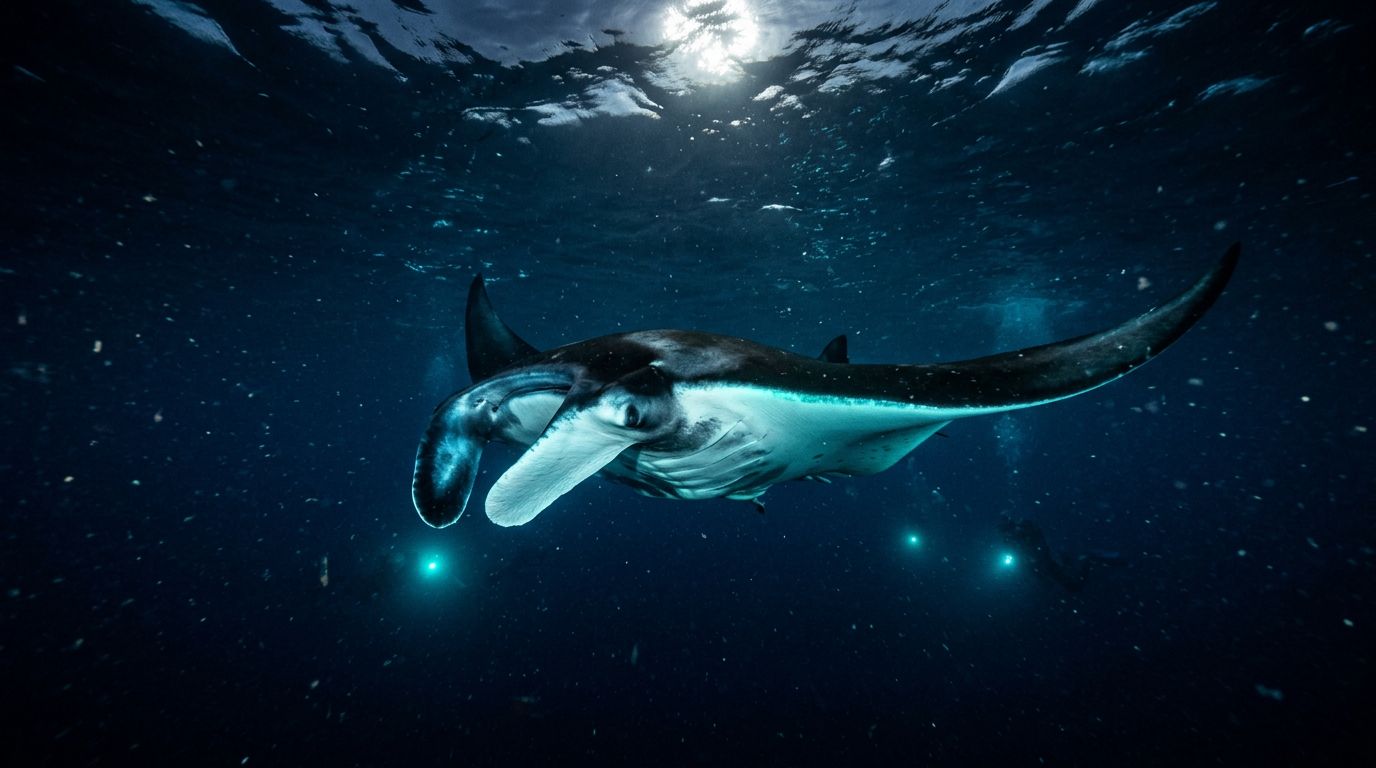
If you’re planning snorkeling Big Island Hawaii trips, you should know the answer before you ever step on a boat: yes, manta rays in Hawaii are protected by law. That matters because these animals are one of the biggest reasons people come to Kona, and you want your encounter to stay safe, legal, and respectful.
Kona Snorkel Trips is a strong choice for that kind of outing, and if you’re comparing manta-focused nights, Manta Ray Night Snorkel is another option built around the same kind of ocean experience. The law is simple, but the behavior around it matters even more.
What Hawaii law says about manta rays
Hawaii treats rays as protected marine life in state waters. Under state law, you can’t knowingly capture, take, possess, abuse, entangle, or kill a ray. That includes manta rays, which are one of the most beloved animals people hope to see around Kona.
The official text is clear about the ban on harm, and the state law on rays spells out the rule in plain language. It also allows some special permits for research or approved activity, but those permits do not give anyone a free pass to disturb wildlife.
That protection makes sense when you look at how people interact with manta rays. They are large, slow-moving, and easy to stress if swimmers crowd them. A flash of panic from a ray can ruin the whole interaction for everyone in the water.
Hawaii’s Department of Land and Natural Resources has also published a protected species spotlight on manta rays. That page helps show why these animals get so much attention from both conservation groups and ocean visitors. You are not dealing with a fish you can handle. You are sharing water with a protected animal that deserves space.
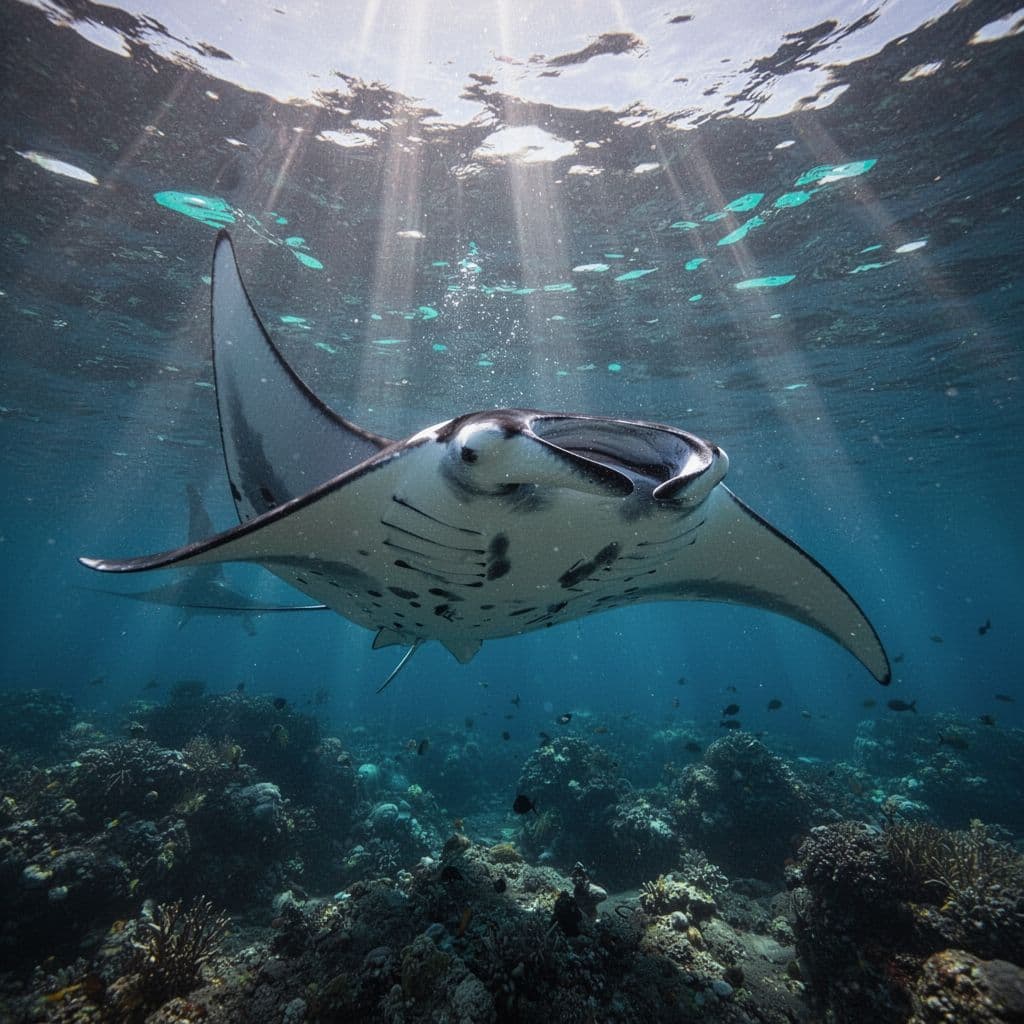
A good mental model is this: the law is not there to spoil your trip. It is there so the trip can keep happening. If manta rays were harassed every night, the experience would lose the calm, almost floating feeling that makes it special in the first place.
What the law means when you’re in the water
The legal rule is one thing. Your behavior in the water is the part that really affects the animal.
If you want to snorkel Big Island with a clear conscience, treat every manta ray sighting like a wildlife encounter, not a performance. You are there to observe. The manta is not there for your photos, your videos, or your sense of timing.
The easiest habits are also the right ones:
- Keep your hands close to your body.
- Stay in the spot your guide gives you.
- Let the manta come close on its own.
- Do not chase, grab, or block its path.
- Follow instructions on lights, boards, and entry points.
Those basics sound simple, but they do a lot of work. They keep you from drifting into the animal’s space, and they help your group move as one instead of as a crowd. That matters during night snorkels, when light can pull attention in odd directions and make people forget how close they are.
The cleanest rule is simple: look, don’t touch, and let the manta choose the distance.
When you understand that, snorkeling Big Island starts to make more sense as an experience rooted in respect. You are not just chasing a bucket-list moment. You are taking part in a careful, shared encounter that depends on calm behavior.
This is also where guides matter. A good guide keeps the group organized, explains where to float, and stops bad habits before they start. That helps protect both you and the animals.
How to see manta rays respectfully in Kona
If you want a trip that keeps the animals first, look for small groups, clear instructions, and gear that fits well. You should also expect a briefing before you enter the water. A respectful operator won’t rush you through that part.
Kona Snorkel Trips follows a “Reef to Rays” style of ocean travel, which fits this topic well because the goal is not just to see wildlife, but to do it the right way. If you’re still planning the rest of your time in the water, guided snorkeling trips in Kona give you a simple way to explore local reef sites with a crew that knows the area.
For manta nights, the details matter even more. Good lighting helps you see, but it should never turn into a tool for crowding the rays. Custom-lit boards, lifeguard-certified guides, and a small-group setup all help keep the experience calm. That is better for you, and it’s better for the animals.
If you’re comparing options for manta rays in Hawaii, look for three signs of a responsible tour:
- The crew gives clear wildlife rules before the swim.
- The group size stays small enough to control.
- The operator talks about reef-safe and animal-safe behavior without sounding vague.
You can also book a manta-focused night with Manta Ray Night Snorkel if you want a company centered on that exact experience. A trip like that works best when you arrive ready to follow the guide, float calmly, and give the manta the room it needs.
If you’re ready to book a guided outing, use the button below to check availability.
Check AvailabilityIf you want a manta-specific trip, you can also use this option to check availability.
Check AvailabilityThat kind of setup is more than marketing language. It keeps the focus where it belongs, on the manta, the reef, and the calm water around you. It also makes your trip easier if you’re traveling with kids, a partner, or a mixed group with different comfort levels in the ocean.
Why protection changes the way you plan your trip
Once you know manta rays are protected, you start planning differently. You stop thinking only about photos and start thinking about timing, guide quality, and your own behavior in the water.
That shift helps on every snorkel Big Island outing, not just manta nights. A respectful swimmer has a better time because the whole scene stays calmer. You breathe easier. The group stays together. The animal is more likely to move naturally instead of reacting to people.
It also helps to remember that legal protection and good snorkeling habits point in the same direction. Stay back. Don’t touch. Don’t chase. Follow the guide. Those rules are easy to remember, and they protect a rare encounter that many visitors never forget.
If you want a quick bottom line, it is this: Hawaii’s law protects manta rays because they are part of the island’s living heritage, not a show you control. Your best experience comes when you act like a guest, not a spectator with rights over the water.
Conclusion
Yes, manta rays in Hawaii are protected by law, and that protection is built into both state rules and real-world tour practices. The law keeps people from harming or harassing rays, and it gives you a clear standard for what respectful snorkeling looks like.
So when you plan snorkeling Big Island Hawaii trips, choose operators that teach the rules, keep groups under control, and put the animal first. That approach gives you a better night in the water, and it helps keep the experience alive for the next traveler too.