
Are Kona Manta Rays Resident Year Round?
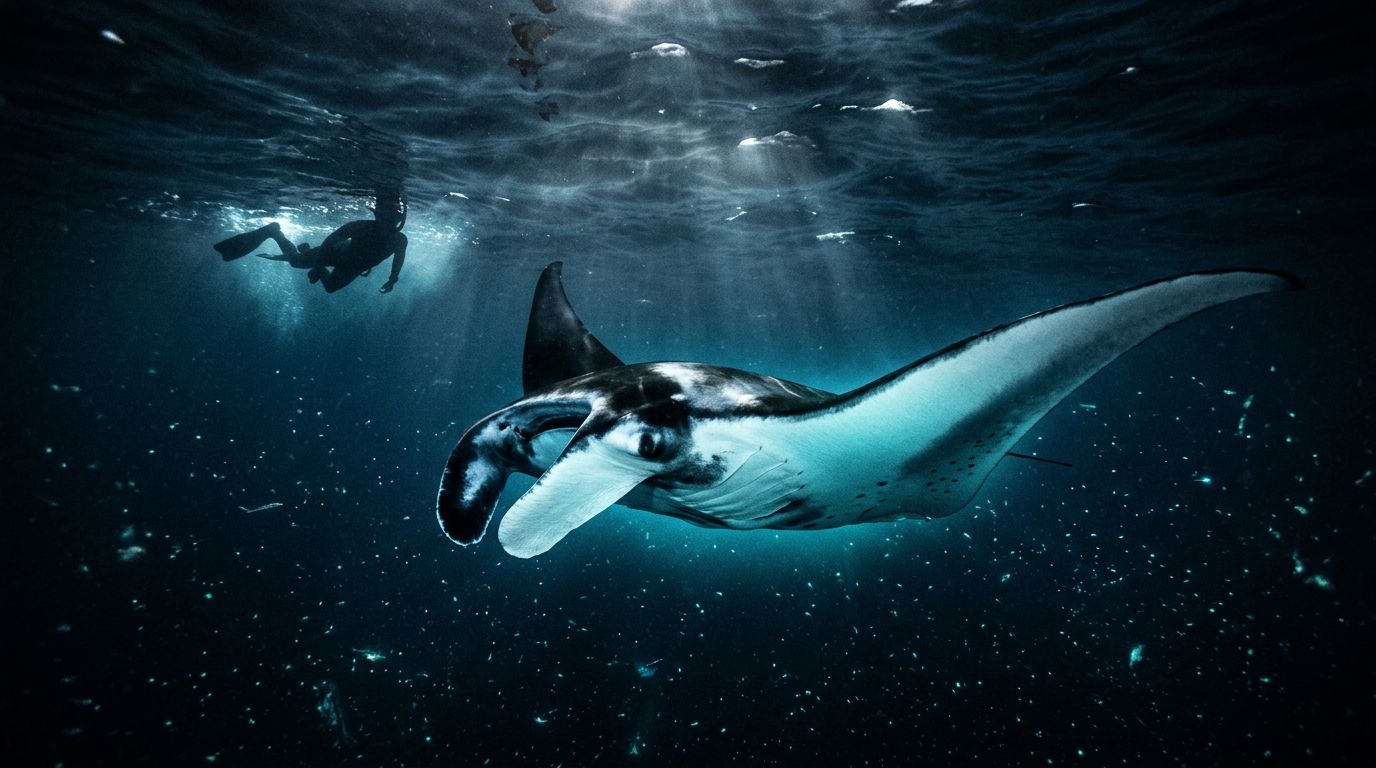
Kona manta rays are resident animals, so you can see them in every month, not just in one short season. The better question is how the ocean behaves when you go.
Kona Snorkel Trips runs small-group manta outings on the Big Island, and if you want another local point of view, Manta Ray Night Snorkel Hawaii’s guide explains the same night swim from a different angle. The experience stays available all year, but swell, wind, and visibility still shape the night.
That is why the answer needs more than a yes or no. You want the full picture before you book.
Kona manta rays are resident, but the ocean still sets the pace
Yes, the Kona coast has manta rays that stay in the area all year. They are not tied to a single migration window, so your chance of seeing them doesn’t disappear when the calendar changes.
That does not mean every night looks the same. Some evenings feel calm and glassy, while others bring more chop and stronger surge. The mantas can still show, but the ride and the entry may feel different.
This is the part many visitors miss. They hear “year-round” and think it means identical conditions every month. It doesn’t. It means the local population remains available, while the sea keeps its own schedule.
The good news is that the manta question is rarely about luck alone. It is more about timing, site choice, and weather. If you line up those pieces well, you give yourself a real chance at a memorable swim.
You are not chasing a seasonal visitor. You are visiting a local feeding ground with year-round potential.
That is why people plan manta nights during spring breaks, summer holidays, winter escapes, and shoulder-season trips. The rays are still part of the Kona coast when the rest of your trip changes.
What resident manta rays mean on the Kona coast
In wildlife terms, resident means the animals stay in a region instead of moving far away for part of the year. On Kona, that matters because the same general feeding areas keep drawing manta rays back.
You will hear people talk about the “manta site” or the “lights.” That shorthand points to a simple food chain. Light draws plankton, plankton draws mantas, and the reef structure keeps that pattern close to shore.
So when you snorkel here, you are not waiting for a rare pass-by. You are heading into a place where the mantas know the route. They return because the conditions support feeding, not because a tour company hopes for a lucky night.
That also explains why local crews pay close attention to current and entry points. A small change in surface conditions can affect how comfortable you feel in the water. It can also change how easy it is to watch the mantas below you.
The local setting gives you something rare on the Big Island. You can plan around a living pattern instead of hoping for one-off timing. That is a big reason the Kona coast has such a strong reputation for manta viewing.
Why Kona stays so reliable for manta sightings
Kona has a geography advantage. The coast sits on the leeward side of the island, so it often gets more shelter from strong winds than other parts of the Big Island. That shelter helps create more usable nights for manta trips.
The underwater landscape helps too. Volcanic slopes, reef edges, and local currents all shape where plankton gathers. When the food stays in the right place, the mantas have a reason to return.
This is why manta encounters here feel dependable in a way that surprises first-time visitors. You are not relying on a sudden appearance from an offshore animal. You are stepping into a coastal pattern that has been repeating for a long time.
If you want a wider view of your water time, guided Kona snorkel tours can give you daytime reef options that pair well with a night swim. That mix works well when you want more than one ocean memory from the same trip.
The main point is simple. Kona’s resident mantas stay close because the coast gives them food and familiar feeding spots. Weather still matters, but the ecosystem keeps the chance alive all year.
How the seasons change a manta ray night snorkel
The mantas do not leave for a winter break, but the sea still changes from season to season. That is the part you should plan around. Water comfort, visibility, and boat conditions all shift through the year.
Here is a quick look at what often changes.
| Season | What you may notice | What it means for you |
|---|---|---|
| Winter | Bigger swell and more weather checks | Some nights can feel bumpier or get rescheduled |
| Spring | Often a good balance of calm and clear conditions | A comfortable time for many first-time snorkelers |
| Summer | Warmer water and frequent calm nights | Easier surface conditions on many days |
| Fall | Similar to summer, but still weather dependent | Good flexibility helps you make the most of it |
The takeaway is that year-round manta viewing doesn’t mean year-round identical conditions. It means the rays are there, while the ocean decides how easy the night will be.
A calm, clear evening usually feels better for you, especially if you are new to night snorkeling. A rougher evening can still be worth it, but you should expect more movement on the boat and in the water.
That is why flexible travel plans work so well here. If you can shift a date by a day or two, you give yourself room to wait for better sea state.
What a manta ray night snorkel feels like
Once you are in the water, the experience is usually calmer than people expect. You float near the surface and hold onto a lighted board or another stable setup. Below you, the glow attracts plankton, and the plankton brings the mantas in.
The first pass can feel unreal. A huge manta may glide under you with almost no sound at all. Then it may turn and circle back through the light. You start to see the rhythm instead of the size alone.
That rhythm is what makes the night so memorable. The mantas are feeding, so their movement looks smooth and steady. They are not chasing you. They are following the food, and you get a front-row view from above.
If you are a little nervous, that is normal. Slow breathing helps. So does a guide who keeps the setup clear and the pace steady. You do not need advanced skills, but you should be comfortable in the water and able to follow simple instructions.
For many travelers, this becomes the standout night of their trip. If you spend your days on beaches and reefs, then one manta night gives your itinerary a different kind of energy. It is one of the most memorable ways to snorkel Big Island waters after dark.
How to choose the right local tour
The crew you choose changes the whole experience. Kona Snorkel Trips keeps trips small, which helps you get more personal attention before and during the swim. That matters when you want help with gear, entry, and comfort.
The company also uses custom-lit boards for night encounters, which makes the water easier to read once you are floating. Add lifeguard-certified guides, and you get a setup that feels calm and organized instead of crowded and rushed.
If you want a simple way to judge any manta tour, look for a few basics.
- Small groups help you hear instructions and keep the water around you calmer.
- Good-fitting gear keeps you focused on the mantas, not on a loose mask.
- Lifeguard-certified guides give you useful support if you are new to night snorkeling.
- Reef-safe habits matter because you are sharing the water with a delicate ecosystem.
When you are comparing options for snorkeling Big Island adventures, these details matter more than flashy promises. They affect how safe you feel, how much you see, and how much you enjoy the night.
If that setup sounds right for you, you can check availability for Kona Snorkel Trips here.
Guest reviews also help when you’re choosing. They show you how the crew handles questions, pace, and nervous swimmers.
When to book your manta night and how to fit it into a Big Island week
If you already know you want the night swim, book it early in your trip. That gives you room to move the date if the weather changes. A flexible plan is much better than a tight one when you are dealing with open ocean conditions.
A manta night works best when it sits between quieter days. If you spend one day doing beach time, another day on a reef, and then head out at night, you will enjoy the boat ride more. You will also have more energy once you get in the water.
If you want daytime reef time too, Big Island snorkel tours give you an easy way to build a fuller ocean week. That mix works especially well if you are planning snorkeling Big Island Hawaii with family or friends, because you get both bright reef color and the night glow that makes manta viewing so special.
When you want a dedicated manta trip, the timing is straightforward. Pick a date, stay flexible, and give the ocean a little room. If you want the night swim itself, you can check availability for the manta outing here.
If you are also comparing the general feel of Kona manta trips, the broad pattern stays the same. The rays live here. The ocean shifts. Your best odds come from choosing a good operator and giving yourself a little scheduling room.
Conclusion
So, are Kona manta rays resident year round? Yes, they are. You do not need to catch a short migration window to see them.
What changes is the water around them. Swell, wind, and visibility can shape your night, so the smartest plan is to stay flexible and choose a crew that knows the coast well.
If you remember one thing, make it this: Kona mantas are local, but the sea still writes the script. When you work with that rhythm, you give yourself the best shot at a night you will talk about long after the trip ends.