
9 Questions to Ask Before Booking a Captain Cook Snorkel Cruise
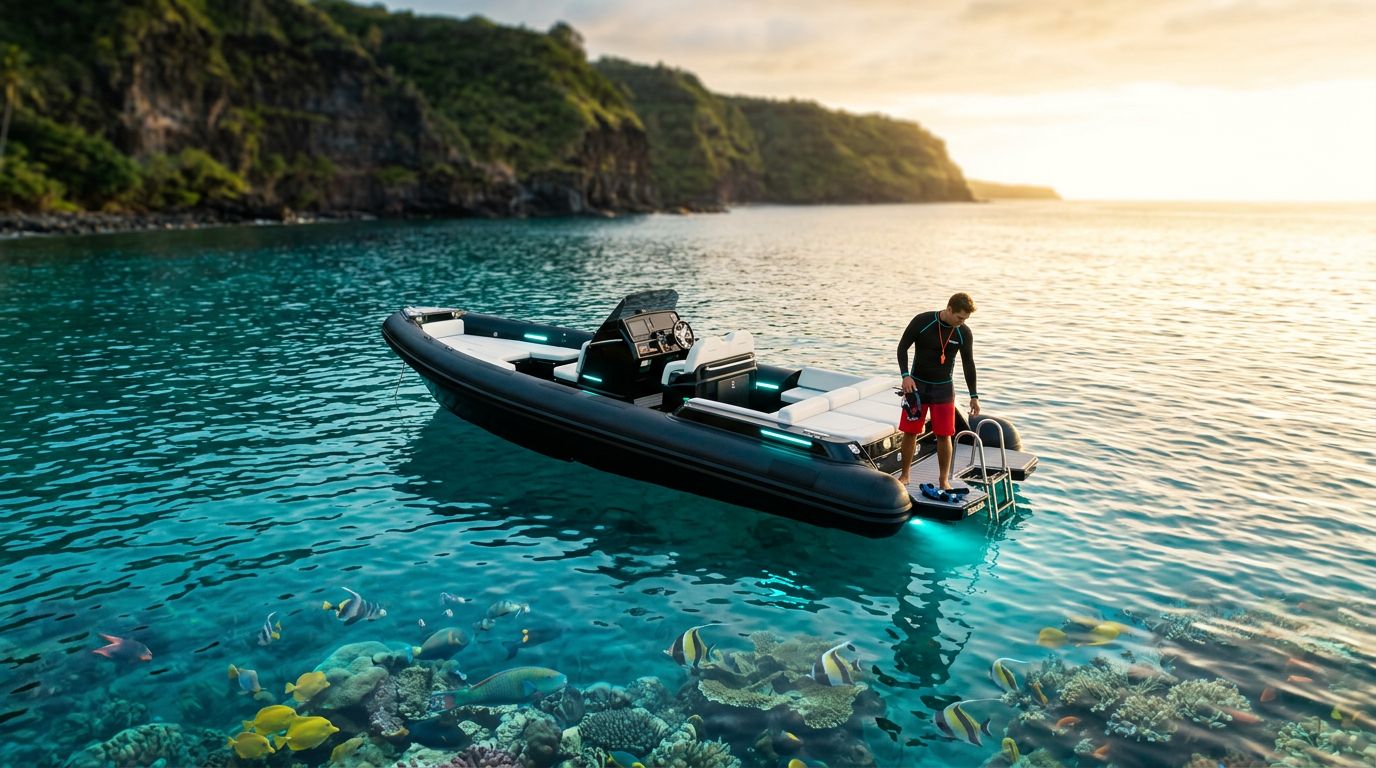
A Captain Cook snorkel cruise can be the best part of your Kona trip, but only if you book the right one. The boat, the guide, and the timing shape your whole day.
If you’ve been comparing snorkeling Big Island Hawaii options, the photos alone won’t tell you enough. The right questions help you avoid a crowded deck, weak gear, or a rushed swim.
Ask the right things first, and you’ll know whether the trip fits your comfort level, your family, and the kind of day you want.
Why the operator matters before you book
Start with the company, because the same bay can feel very different from one boat to the next. Kona Snorkel Trips keeps the focus on small groups, lifeguard-certified guides, and reef-first habits, which matters when you want a calm day on the water. If you want another local name to compare, Captain Cook Snorkeling Tours focuses on Kealakekua Bay trips and Captain Cook snorkeling days.
If your dates are set, check availability so you can see what fits your schedule. A clear booking page is usually a good sign. It means the operator has thought through the details before you step on board.
The best trips answer your questions before you ask them twice.
1. What exactly is included in the price?
Price matters, but value matters more. A low fare can look nice until you realize snorkel gear costs extra, flotation is limited, or drinks are bare minimum. Ask what the ticket covers, then compare the full package, not the headline number.
On a Captain Cook snorkel cruise, you want to know if the price includes mask, fins, snorkel, flotation, and a real briefing. You should also ask about snacks, water, reef-safe sunscreen, and any taxes or fees. If you need prescription gear or special sizes, ask that too.
This question matters even more when you snorkel Big Island for the first time. Some operators make the process simple. Others leave you guessing until you arrive. If you are traveling with kids, that difference can shape the whole mood of the day.
A strong operator gives you a clear answer in one sentence. If the answer sounds fuzzy, keep looking.
2. How small is the group, really?
Small group and small group are not the same thing. One boat may hold a few dozen guests and still call itself intimate. Another may cap the trip far lower and give you room to breathe.
You want to know the actual guest count, the crew size, and how much deck space each person gets. That matters when you are changing gear, moving around the boat, or helping kids settle in. A crowded boat can turn a relaxed morning into a waiting game.
Families often feel this first. Couples notice it too, because more space usually means less noise and less rushing. Solo travelers get a better chance to ask questions and get personal attention.
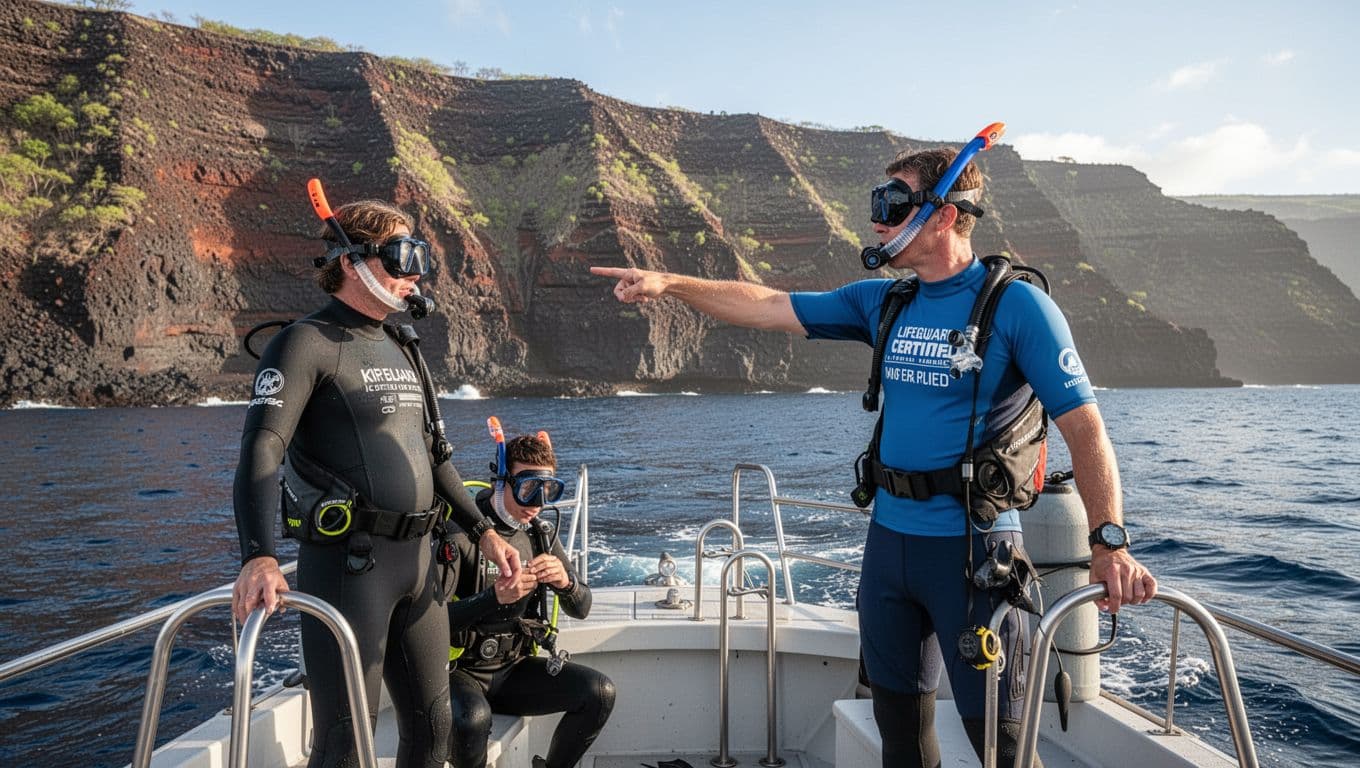
Ask how the crew handles different group sizes on busy days. A good answer will tell you a lot about the way the company runs its tours.
3. Where do you snorkel, and how long do you stay there?
This is the heart of the trip, so don’t settle for a vague answer. You want to know the exact stretch of water, how the boat gets there, and how much time you spend snorkeling instead of riding around.
Kealakekua Bay is the big draw on many Captain Cook cruises. The water is often clear, the reef is protected, and the scenery is hard to beat. If you want a focused look at the route, compare it with this Captain Cook snorkel tour in Kealakekua Bay.
The bay also has history, so the boat ride is part nature and part story. For a plain-language overview of the area, the Captain Cook snorkeling page explains why so many visitors put it near the top of their list.
If the crew can’t tell you how long you’ll be in the water, that’s a red flag. Time in the bay is the whole point.
4. What gear and flotation do you provide?
Good gear makes the difference between a smooth snorkel and a frustrating one. Ask what size masks they carry, whether fins are included, and if they have flotation for weak swimmers. If you wear glasses, ask about prescription options. If you have a child with a smaller face, ask about kids’ sizes too.
You should also ask how the crew cleans the gear and how often they replace worn items. Leaky masks, cracked snorkels, and bent fins are easy to spot once you know what to look for. Good equipment does not need a sales pitch. It just works.
This question is especially useful if you are new to snorkeling Big Island waters. A calm reef day still feels better when your mask fits and your legs don’t fight your gear. The right setup can make a nervous swimmer feel steady in minutes.
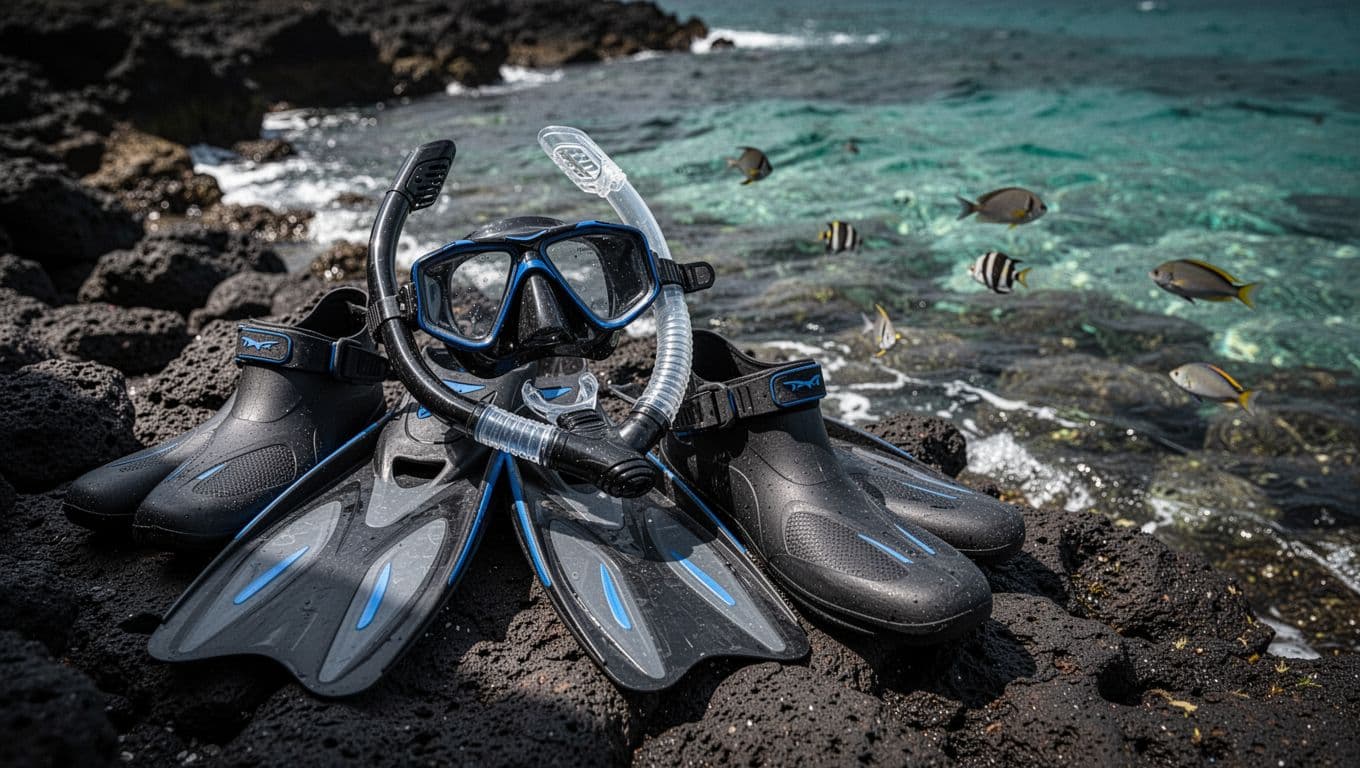
Ask about flotation early, because it tells you how the crew thinks about comfort and safety. That answer matters as much as the reef itself.
5. Who is guiding the trip, and what safety training do they have?
A beautiful bay does not replace good leadership. You want to know who is guiding the tour, what training they have, and how they handle different skill levels. Lifeguard certification, local ocean experience, and clear safety briefings all matter.
Ask how the crew talks through entry and exit points, hand signals, and what to do if you feel tired. Ask who stays near beginner snorkelers and how they watch the group once everyone is in the water. These details tell you whether the operator takes your comfort seriously.
A good guide makes the water feel easier before you even get in.
You should also ask how the captain watches conditions during the day. A smart crew reads the ocean, not just the clock. That matters in Kona, where the water can change with wind and swell.
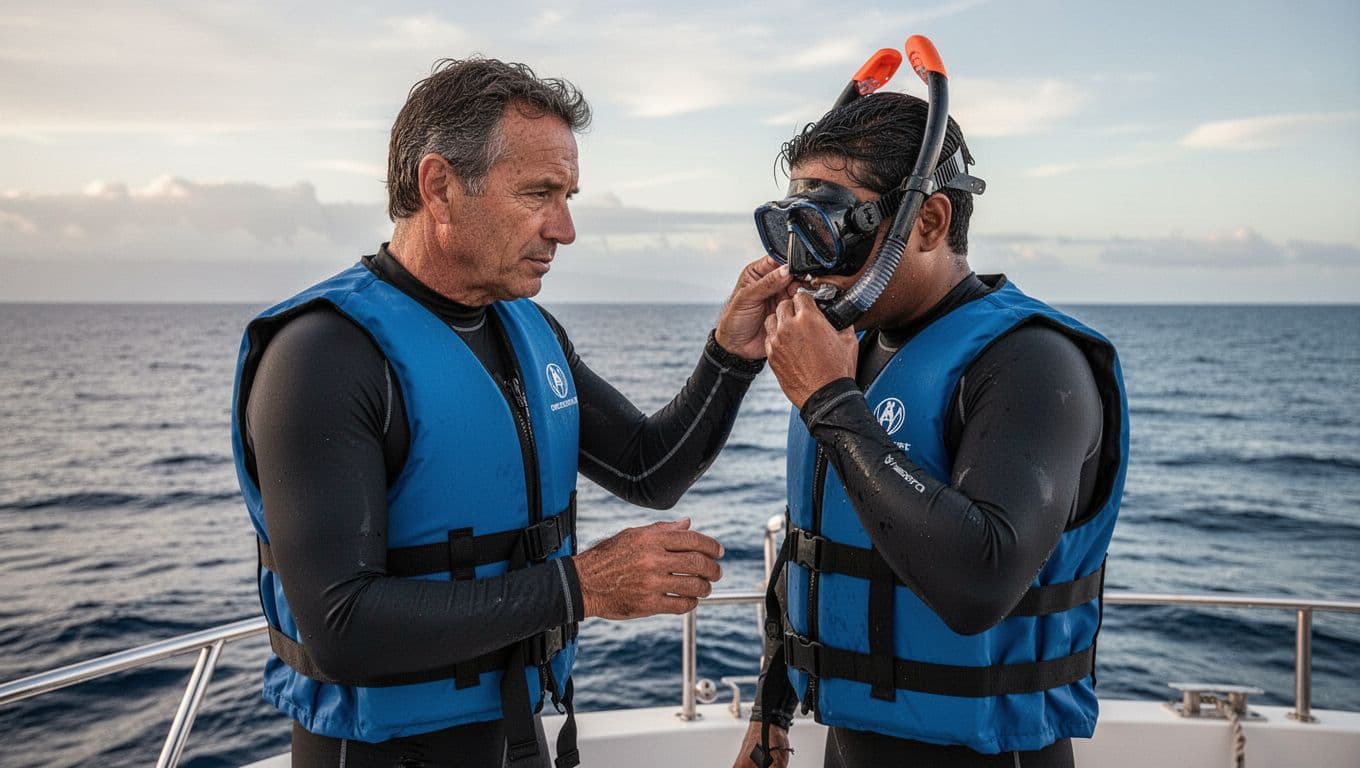
If the answer sounds rushed or scripted, keep shopping. The best guides speak plainly and know how to calm a new snorkeler fast.
6. What happens if the ocean is rough?
The ocean sets the schedule, not the brochure. That means you should ask what happens if wind, swell, or rain changes the day. A solid operator has a plan for rescheduling, alternate routes, or cancellations.
Morning departures often help because conditions are usually calmer earlier in the day. Still, you should ask how the crew decides whether a trip goes out. The answer should be direct, not vague. You deserve to know whether the company will put safety first or push ahead anyway.
If you want another source for visitor questions, the Captain Cook & Kealakekua Bay FAQ is a useful plain-language reference. It helps you see how visitors usually think about access, timing, and bay conditions.
Also ask how motion affects the trip if you are prone to seasickness. A kind crew will give you real advice, not a shrug. That kind of honesty is valuable before you ever leave the dock.
7. Is this trip a fit for your swim level and your kids?
This question saves families a lot of stress. Some Captain Cook cruises welcome first-timers with ease. Others assume you are already comfortable in open water.
Ask whether the crew supports beginners, weak swimmers, and kids who need extra attention. Ask if flotation is easy to use, and ask how they handle guests who want to stay close to the boat. If you travel with children, check the minimum age, the entry style, and the amount of time in the water.
Even if you snorkel Big Island beaches often, a boat trip feels different. Open water can be calmer in some places and less familiar in others. Your comfort level matters more than your pride.
If you are new to snorkeling Big Island Hawaii, tell the crew. Good operators do not treat that as a problem. They treat it as normal. The best trip is one that matches your confidence, not just your itinerary.
8. What will you actually see underwater?
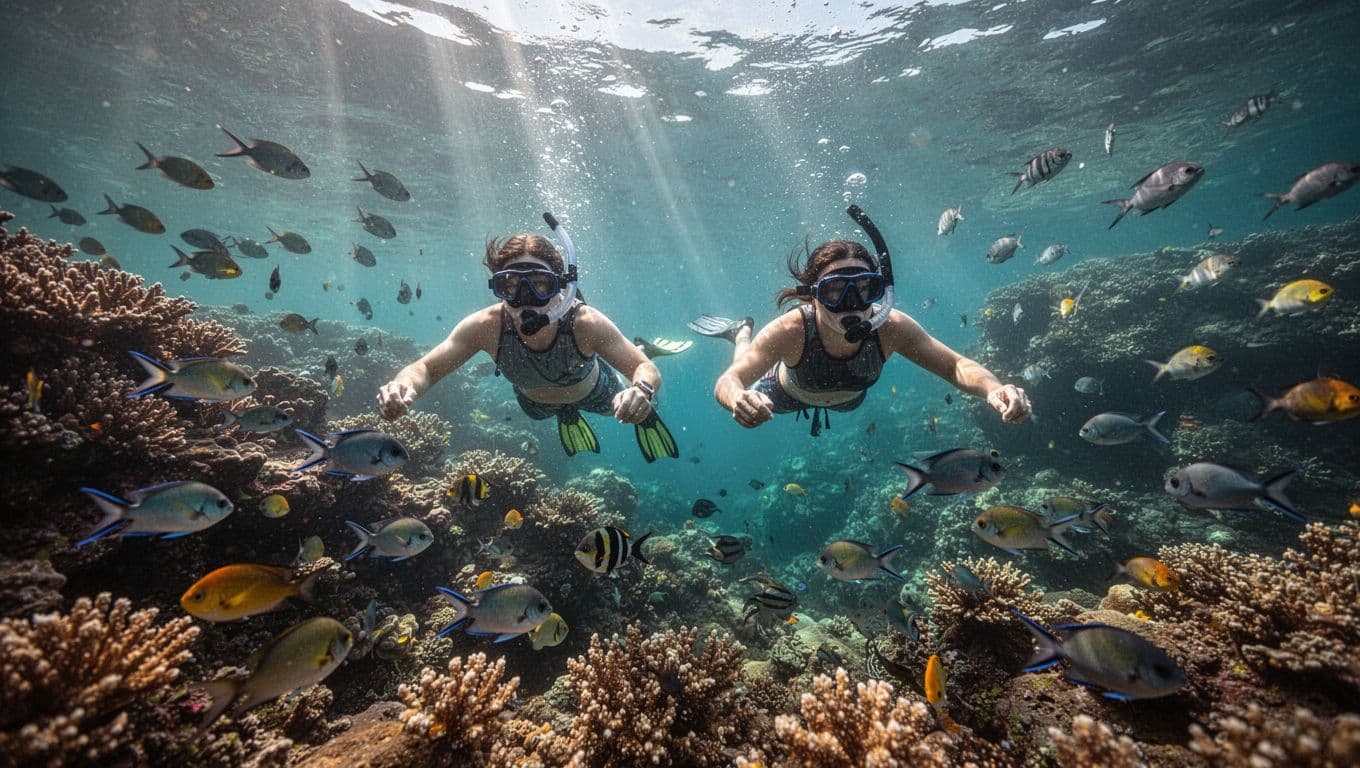
You want more than a generic promise of “great snorkeling.” Ask what the reef is like, what kinds of fish are common, and how the site changes through the season. A good guide should be able to describe the underwater world in simple terms.
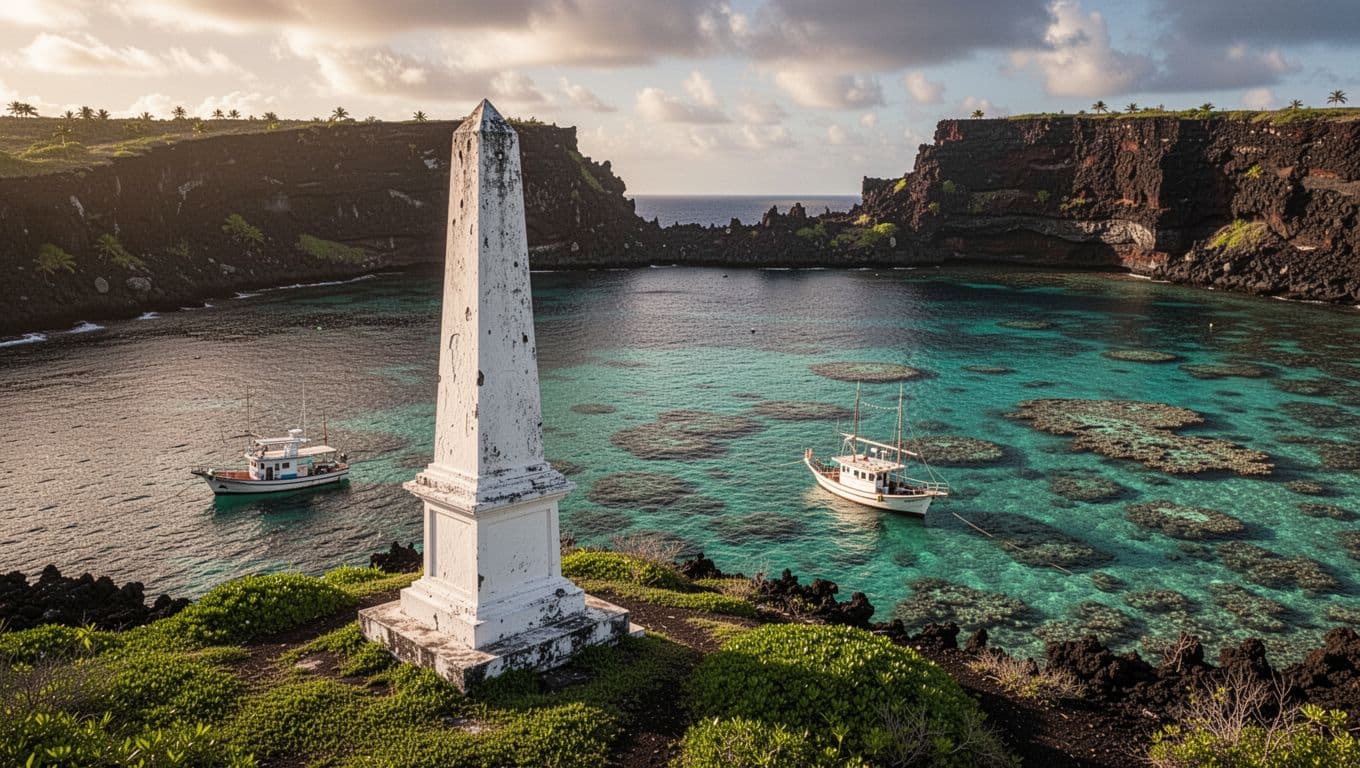
At Kealakekua Bay, the setting is part of the appeal. The reef, the clear water, and the history around the Captain Cook Monument all work together. When people search for snorkeling Big Island, this is often the kind of place they mean. It feels scenic above the surface and alive below it.
The right trip will never promise that you will see the same animals every day. That would be false. Instead, the crew should tell you what is likely, what is seasonal, and what depends on conditions. That kind of answer feels honest.
If you want a second look at how the site is described, the Captain Cook snorkeling overview gives a helpful plain-English summary. It is useful if you want context before you book.
9. What are the booking, check-in, and cancellation rules?
Small details can make or break your morning. Ask where you meet, how early you should arrive, and what the parking situation looks like. If you are staying on the Kona side, that can help you plan breakfast, gear, and the drive.
You should also ask what happens if you miss check-in, get stuck in traffic, or need to cancel. Weather policies matter too. A clear company will explain those rules without making you hunt through fine print. That saves time and cuts down on stress.
If you are booking for a couple, a family, or a larger group, ask how they handle changing headcounts. That matters more than people expect. It is easier to relax when the logistics are clear.
For a broader look at the company and the booking process, you can also check availability once you know the date you want. The best time to book is before your ideal departure sells out.
Conclusion
A strong Captain Cook snorkel cruise starts with good questions. When you ask about price, group size, route, gear, guides, weather, skill level, marine life, and booking rules, you get a real picture of the day ahead.
That matters because the right trip feels calm before you ever leave the dock. The wrong one feels unclear from the start.
If you remember one thing, make it this: clarity is part of the experience. The better the answers, the better your time in the bay will feel.